






 0 comments
Experts suggest the disappearance of London’s iconic red buses will hit the poorest the hardest.
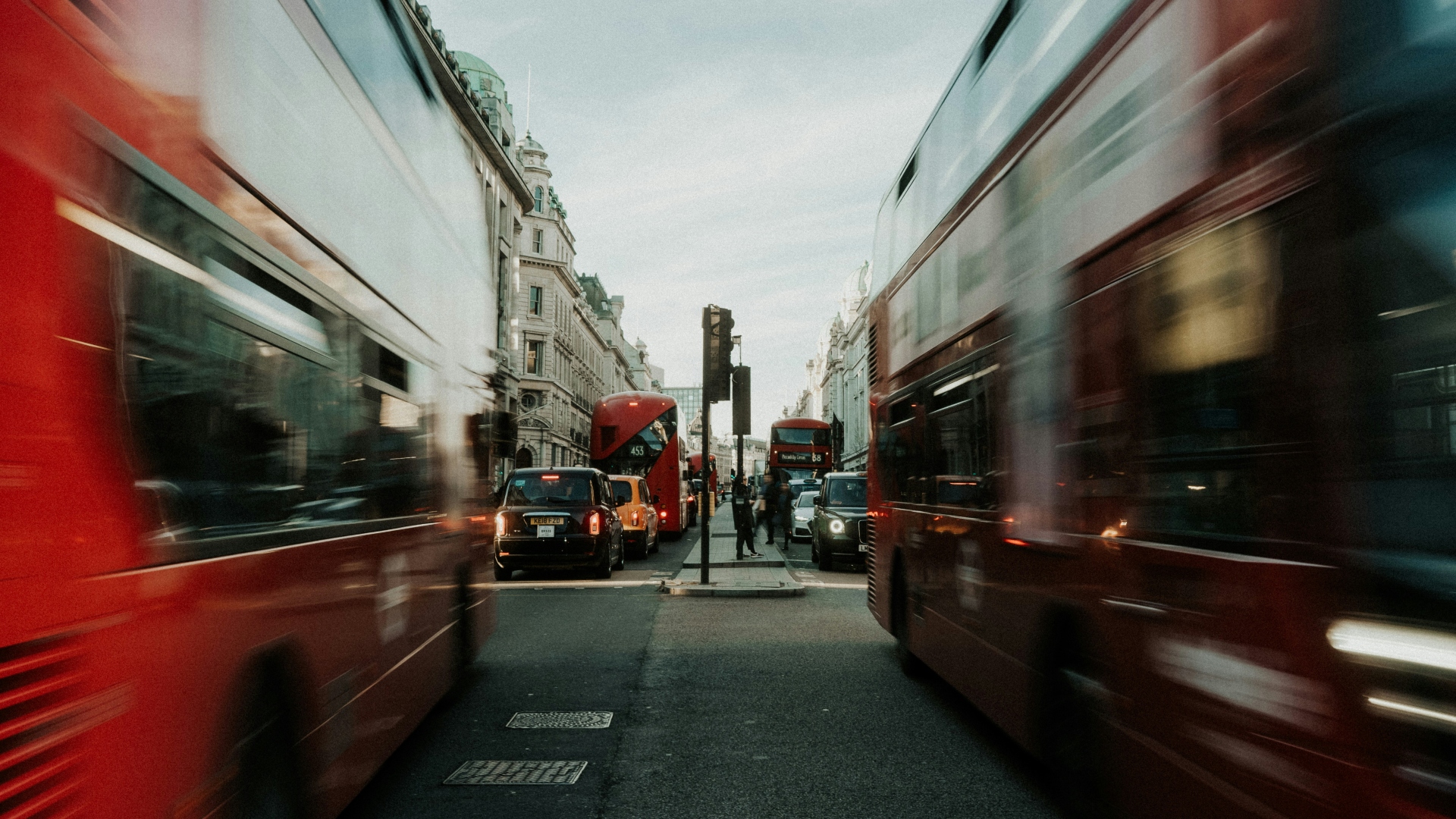
Like most major cities, London is built on a sprawling public transport system. Boasting the tube, black cabs and an iconic route of red bus services, England’s capital is one of the most famous and efficient transport hubs in the world. But experts warn it’s at risk of rapid decline.
Outside of zone 1, red buses are dropping like flies. Delays, congested streets and pinched staffing have placed immense pressure on TfL and left millions of Londoner’s – many of whom rely on the bus system more than any other form of public transport – with delayed and stressful journeys.
The capital’s buses are one of the cheapest forms of transport, providing a significantly more affordable alternative to the underground or taxis systems. But those connecting the city’s outskirts with its central hubs face stop-start traffic and a string of red lights which slow journeys to a virtual halt.
Road works have added to strains on the network, limiting the areas in which buses can operate. The Guardian reports that in 2025, the 22 bus route – which connects Putney with Oxford Circus – was the slowest in London, running at an average of just under 6mph. That marks a 16% fall in average speed from a decade ago.
It’s a pattern that can be seen across the city’s buses, with many running at a slower pace than the average beginner cyclist.
And it’s often the most popular routes that are worst affected. The 243 to Waterloo from Wood Green, for example, slowed down by 5% over the past 10 years and was used by 9.8 million passengers in 2025.
Experts warn that these delays will keep driving a drop in passenger journeys despite the city’s population continuing to grow.
‘We’re really concerned about bus usage,’ said London major Sadiq Khan. ‘One of the reasons, when you speak to commuters, is a lack of reliability. And why is it they lack reliability? Because of bus speed.’
So where does that leave the millions who rely on public transport each day?