






 0 comments
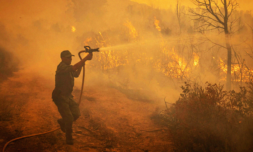
Firefighters have been left to battle the effects of the climate crisis as wildfires see thousands evacuated and heatwaves continue to stifle southern Europe.
Every year it feels as though the impacts of climate change grow more tangible and more devastating. Reports of life-threatening wildfires are no longer the headlines of southern California but also southern Europe. Stifling heatwaves stretch on for weeks rather than days, even in perpetually grey and rainy London. Our perception of ‘normal’ is increasingly warped.
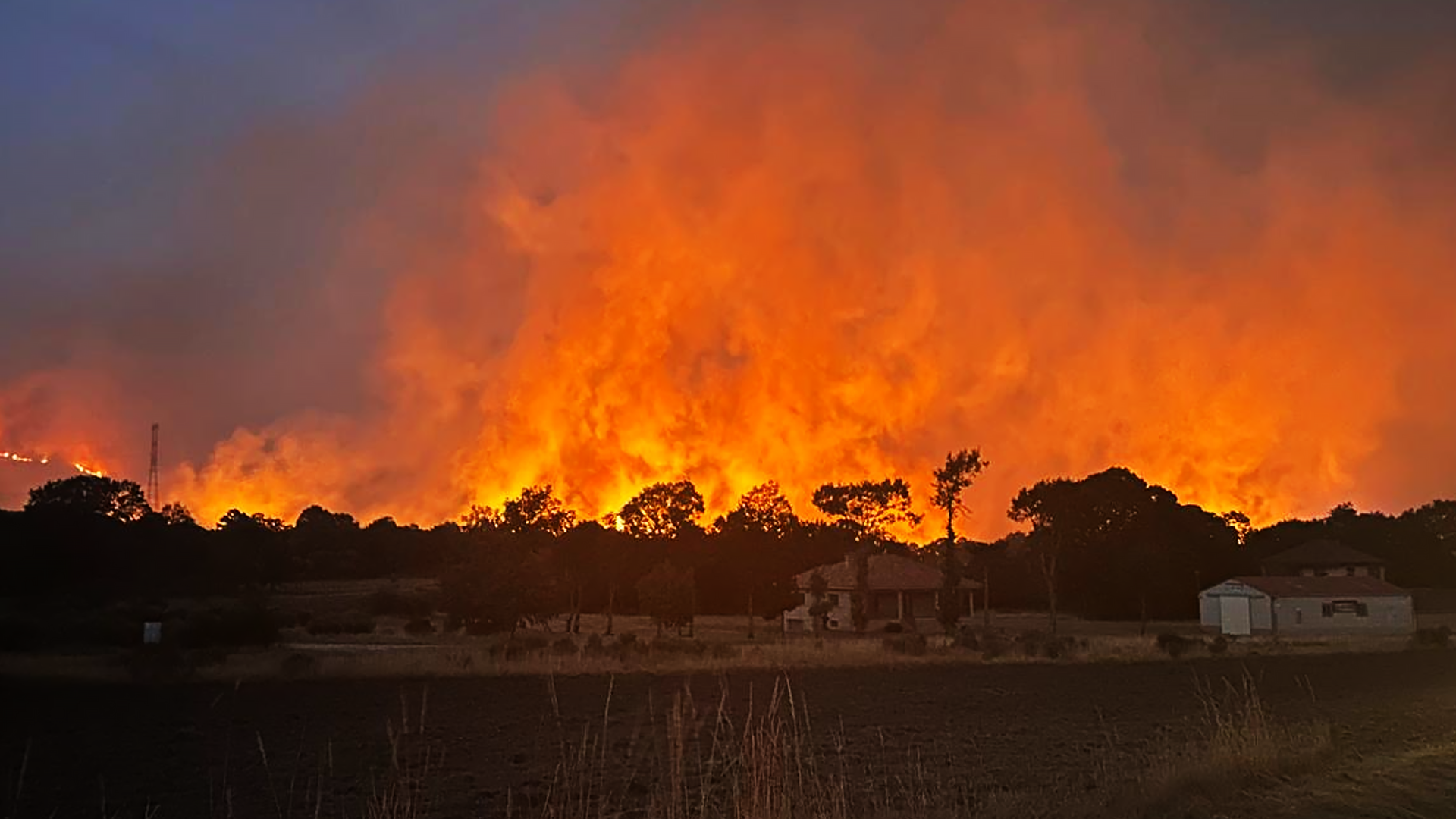
This month, the seemingly endless heatwaves in Europe have reached a climax. Wildfires have spread rapidly through France and Spain causing mass evacuations and ongoing efforts to contain the blaze. But with both government’s urging for ‘extreme caution’ and more heatwaves on the horizon, French firefighters warn it could take ‘weeks or months’ to extinguish the fires.
Another heatwave will complicate efforts to tackle the expanding blaze, which currently stretches around large portions of southern France and much of eastern Spain. 9 miles from Bordeaux, a fire continues to spread – though mayor Thomas Cazenave says there are currently no plans to evacuate the city’s population of around 850,000.
More than 330,000 people have been evacuated across both countries since the fires started several days ago. Now France and Spain are preparing for even higher temperature while firefighters battle the devastating impacts of the advancing blaze.
Besides a small window of light rainfall, the weather looks set to cause more disruption. ‘This window of [rainfall] was favourable… but the fire is far from being under control,’ said Colonel Jerome Boulanger, a spokesperson for France’s Civil Security agency. ‘Weather conditions over the next few days will be key,’ he added, referring to forecasts for a heatwave that could push up temperature to above 40C.
Thousands of those evacuated are being housed in emergency shelters, and French President Emmanuel Macron is set to hold a crisis meeting in Paris to co-ordinate a government response to the crisis.
Since breaking out last Wednesday, the fires in France have burned through 42,000 hectares of forest, an area four times the size of Paris. The scale and intensity make these fires ‘unprecedented’ for France, where such incidents are relatively rare. That also means firefighters aren’t as adequately equipped to deal with them.
But the climate crisis means natural disasters like this are quickly becoming a routine part of summer. So long as we treat them as ‘unsual’, we’ll continue to deny the reality of our environmental situation and risk worsening its impacts.
It’s the same catch 22 underpinning Europe’s air conditioning debate – as mounting heatwaves place pressure on authorities to address the lack of AC in many of the continent’s major cities. But air conditioning is both costly for individuals and for the planet, producing emissions that only exacerbate the climate conditions that create a need for it in the first place.
Social media has also played a role in spreading false narratives around the fires. Last week, stories circulated claiming the fires had been intentionally started in order to clear ground for new solar panel installations or to explore new areas for mining.