




























 0 comments
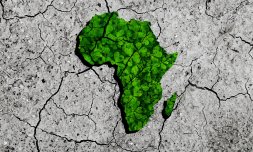
According to recent statistics by the UN, there are currently more hungry people in Africa than anywhere else around the globe, revealing how climate change, conflicts, and economic instability affect the global hunger situation.
According to a recent UN assessment, Africa has surpassed Asia to become the global epicenter of hunger.
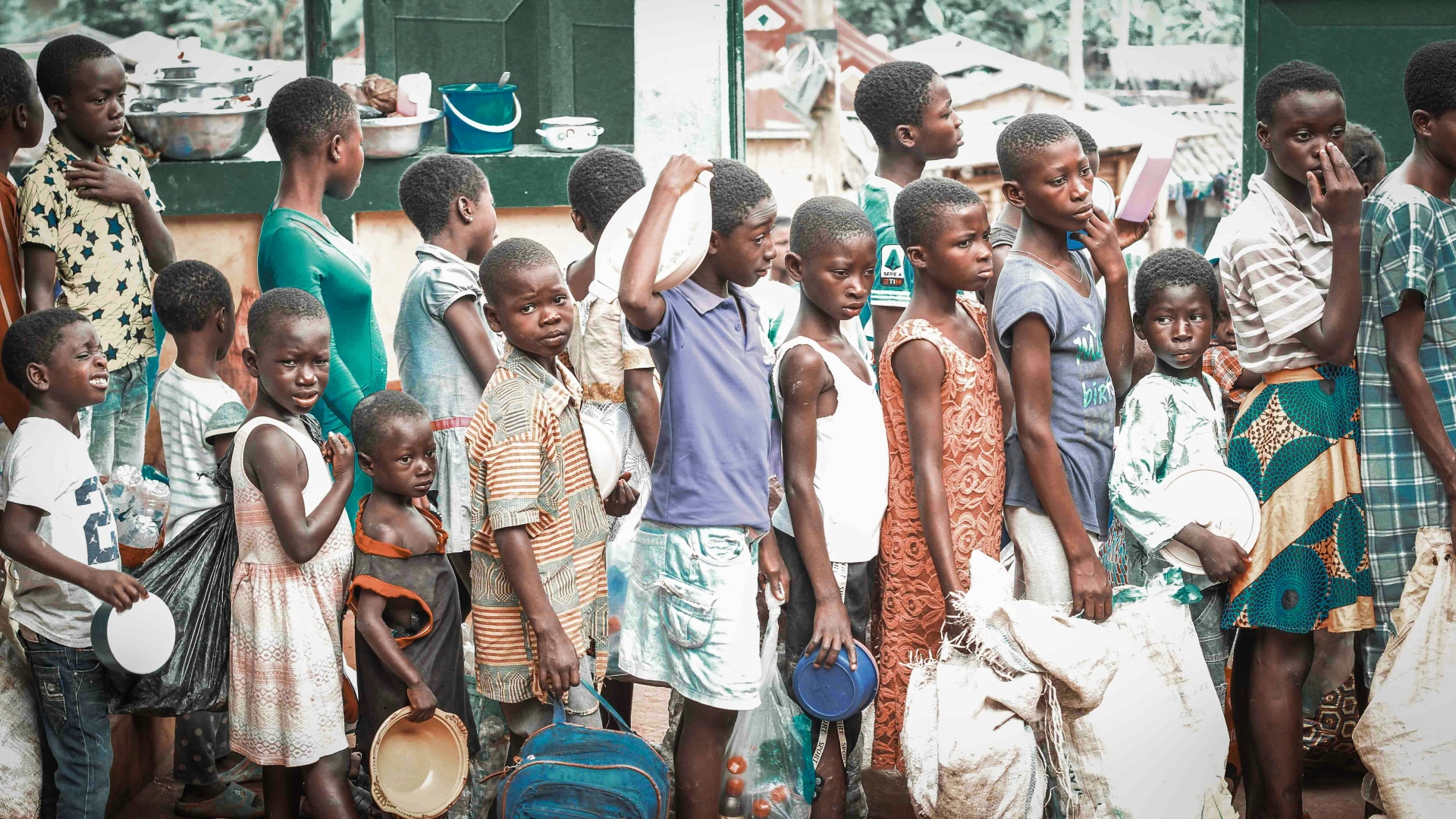
This marks a geographical change in terms of hunger and famine in the world because the continent now hosts more than 309 million undernourished individuals, about one out of five Africans. Climate change, conflict, economic instability, and population growth have all contributed to the crisis.
Some of the latest developments captured in The State of Food Security and Nutrition in the World (SOFI) 2026 report, jointly compiled by UN organizations such as FAO, WFP, IFAD, UNICEF and WHO, are rather worrying.
Global hunger has remained persistently high in recent years, but Africa has experienced an even steeper decline. Rather than recovering after the COVID-19 pandemic, many countries have faced a series of overlapping crises that have left millions more people struggling to access enough food.
In several nations, the problem persists. Conflicts in Sudan and South Sudan have displaced millions of people and disrupted agricultural production. In Somalia, several droughts have ravaged livestock and crops, whereas insecurity in parts of Nigeria continues to hamper agricultural activities.
Climate change is a major factor
Despite contributing only a tiny proportion of the world’s overall carbon emissions, people in Africa are among those hardest hit by climate change.
Millions of small farmers, whose incomes depend entirely on annual rainfall, have seen climate change turn food production into an ever-riskier venture. Yet climate alone does not explain Africa’s worsening food security situation.
The secondary impacts of war
War has long been a key predictor of food insecurity. Armed conflict destroys arable land, disrupts supply chains, raises food prices, and displaces families. Where violence may end, recovery takes years as agricultural infrastructure, markets, and public services are rebuilt.
The economic challenge has exacerbated the problem. Inflation, high debt, and the costs of importing food and farm inputs mean that many African governments have little financial room to allocate to food systems and food security programs. For those families who already barely make ends meet, even relatively small hikes in food prices mean going hungry or consuming less nutritious foods.
Africa is a relatively young continent compared to others around the globe. However, there has been significant population growth on the continent during the last decade, making Africa one of the fastest-growing regions on the planet.
While the increasing number of the population provides numerous opportunities for innovation and development, the demand for food, employment, land and water grows rapidly as well. The continent needs to invest significantly in improving agricultural productivity and climate adaptation to cope with emerging challenges.