






 0 comments
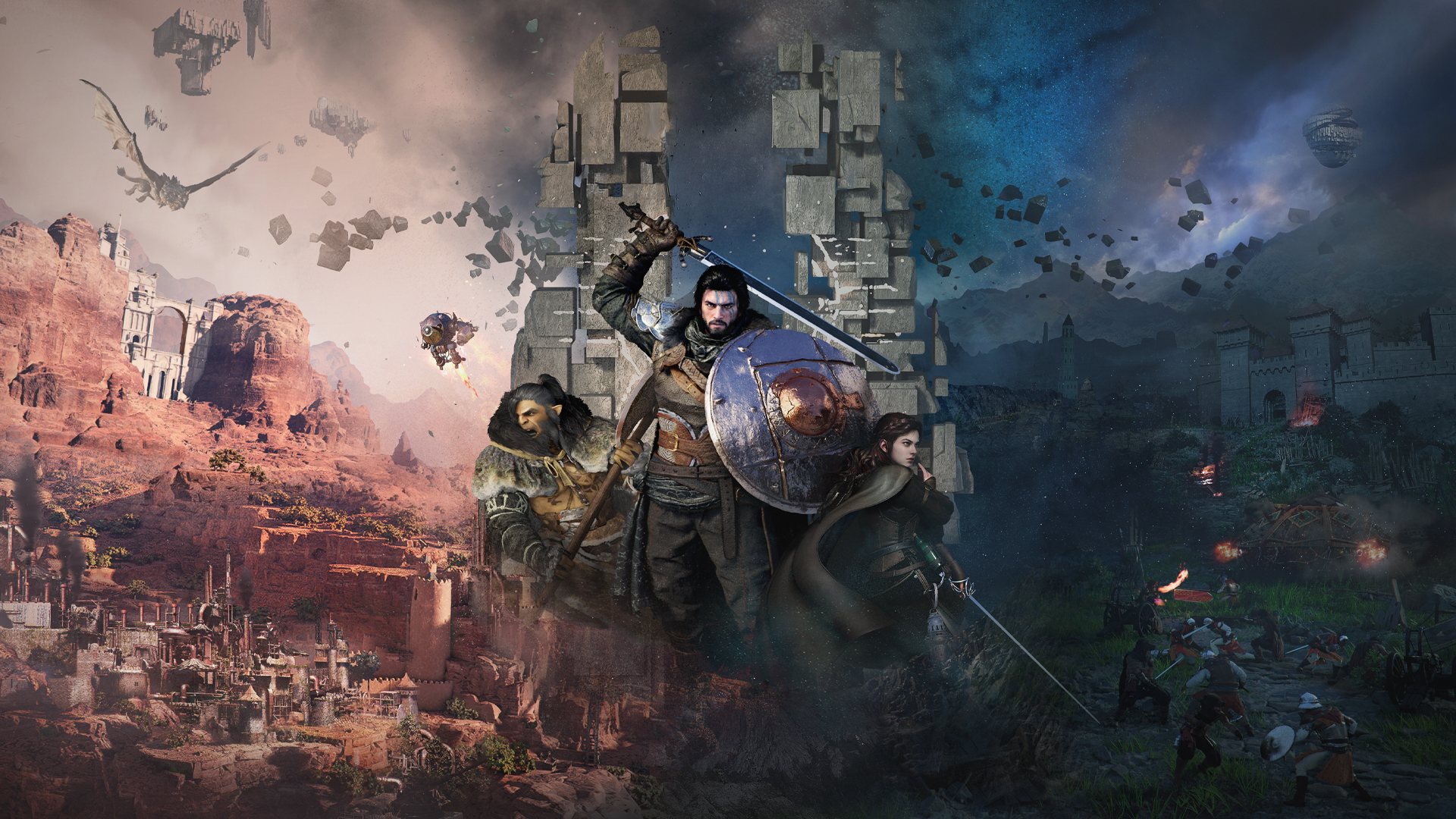
The massive open-world RPG Crimson Desert has been a big hit with gamers, selling over 3 million units in five days. However, despite the early success, developer Pearl Abyss has now come under fire for using AI assets without prior disclosure on Steam.
The video game developer Pearl Abyss has faced criticism for using undisclosed AI-generated artwork in its new open-world RPG, Crimson Desert.
Players were quick to notice signs and paintings in the game that appeared to be made with AI. This included portraits with odd limbs, disproportionate object sizes, and blurry details that resemble the typical ‘slop’ images produced by ChatGPT and Sora.
Implementing non-human artwork into a video game without officially declaring it on Steam’s purchase screen goes against the company’s AI Content policy.
Following the backlash, Pearl Abyss has now updated its page to include a disclaimer, which reads:
‘Generative AI technology is used in a supplementary capacity during the creation of some 2D prop assets. Any such assets are replaced through our production pipeline by our art and development teams, ensuring they meet our quality standards and creative direction.’
The company has also publicly apologised, claiming that AI assets were left in-game by accident and were supposed to be swapped out before launch. A statement on X promises a ‘comprehensive audit’ and a ‘strengthening [of] internal processes to ensure greater transparency […] in how we communicate.’
We would like to address questions regarding the use of AI in Crimson Desert.
During development, some 2D visual props were created as part of early-stage iteration using experimental AI generative tools. These assets helped us rapidly explore tone and atmosphere in the earlier…
— Crimson Desert (@CrimsonDesert_) March 22, 2026
This latest controversy follows on from several big, mainstream titles using AI without prior public knowledge. Call of Duty was hit with a barrage of anger last year for its blatant implementation of AI assets that stole the intellectual likeness of Studio Ghibli films, for example.
Authors and creatives are concerned about AI and licensing agreements moving forward, too.