






 0 comments
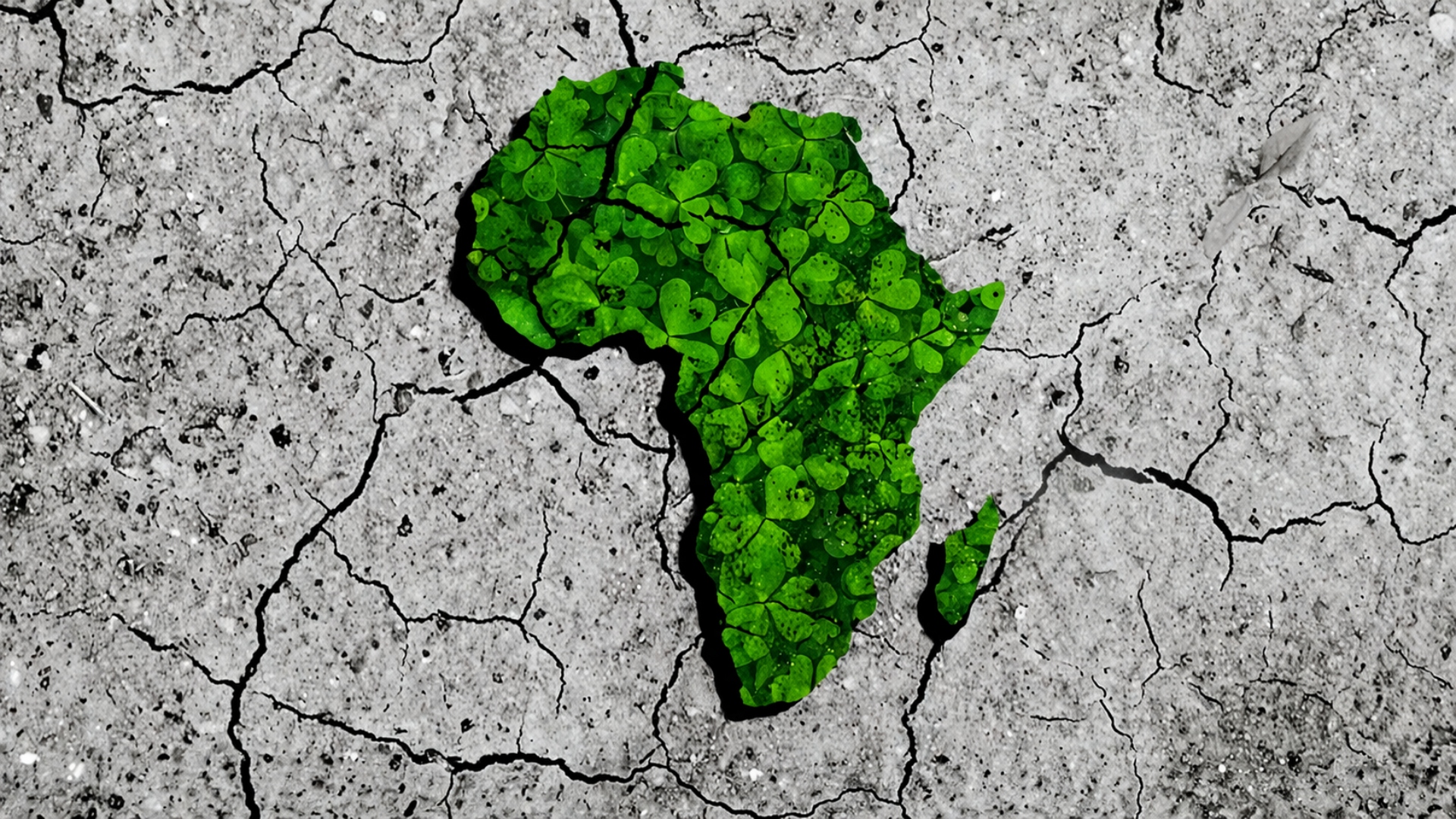
Companies in the Global North are increasingly purchasing carbon credits to offset their emissions, while projects across Africa are encouraging farmers to adopt climate friendly practices that can generate those credits.
The process is theoretically simple. Farmers plant trees or adopt other practices that help to sequester carbon dioxide directly from the atmosphere. This is then measured and sold to companies as credits to help them offset their own impact on the environment.
But the important question remains: can the markets truly help African farmers?
Climate change is already having a serious impact on the lives of many smallholder farmers on the continent. Heavy rainfall, droughts, and poor soil quality are threatening the food security of many.
Practices like agroforestry, cover cropping, and reduced tillage can help farmers adapt to the changing climate and sequester a great deal of carbon. Carbon markets promise to reward these practices financially.
Farmers are already being enrolled in carbon credit programs through projects in Kenya, Tanzania, and Ghana. They are being trained in climate friendly farming practices, in some instances, being compensated for carbon stored in their land.
Those in support of these initiatives contend that once the programs become established, they will provide new sources of income for rural areas that have been previously excluded from global climate financing.
Although Africa has produced only a small fraction of the world’s greenhouse gas emissions, the agricultural producers on the continent experience some of the worst consequences of today’s changing climate. Advocates of these carbon markets believe that they will also help to level the playing field among agricultural producers.
Critics argue that they are not as straightforward as many believe, however. The main argument has to do with transparency. The methods developed for measuring and verifying how much carbon is being stored in many cases are arbitrary, complicated, and difficult for smallholder farmers to understand.