






Menu Menu
[gtranslate]

Wuthering Heights yearning feels out of step with Gen Z dating

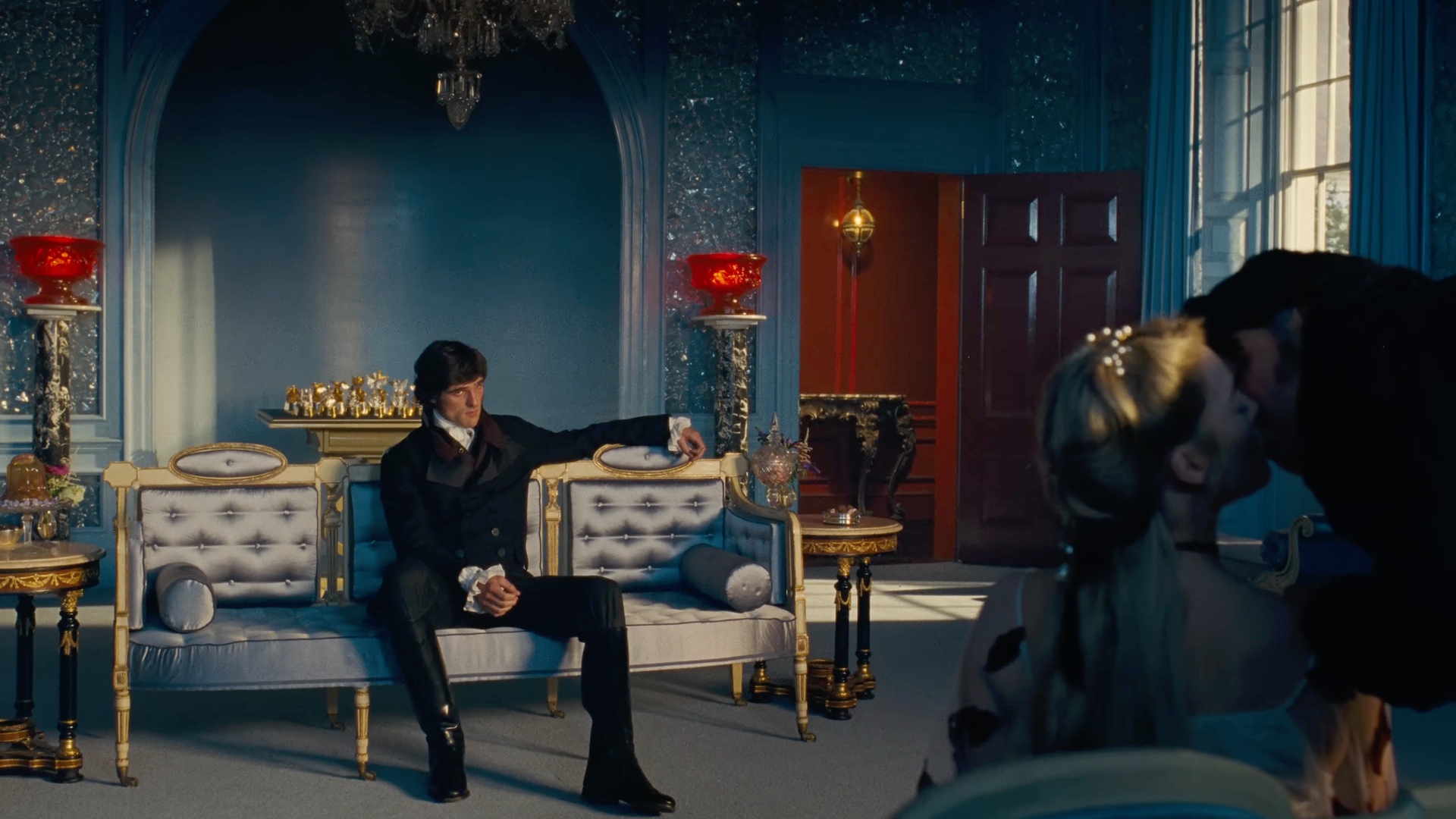
The vast criticism for Emerald Fennel’s ‘adaptation’ of Emily Brontë’s classic novel Wuthering Heights began before the feature film had even darkened screens in full. 

From the white-washed or otherwise clumsily racially-stereotyped casting choices, to the soy-boyification of Heathcliffe – the Byronic hero(?) – the one thing the trailer promised us was an almost complete departure from what the middle Bronte sister originally intended. 

On this point at least, audiences seem to be in agreement, the film delivers. 

Nevertheless, whoever has been marketing Fennel’s fantasy has certainly latched on to one of the book’s main themes: that of utter and complete yearning

It doesn’t matter if it’s between a man who ran away in a strop for several years after hearing half a conversation and a woman who obviously loved her childhood sweetheart more than her husband. We’re still meant to believe that this is an epic love story. And, well, even centuries after it was written, it is. 

But, in the 19th century, this yearning made more sense. Emily Brontë was a romantic young woman living in a relatively inaccessible and isolated part of Yorkshire in a parsonage with an often violently drunk brother, surrounded by a graveyard. 

Now, however, the adaptation’s trailer tag line, ‘The Year of Yearning’, seems at odds with the sentiments promoted by many dating platforms in response to gen z’s desire to connect beyond the swipe. 

Wuthering Heights may be romantic for some, but in today’s culture, no one ought to regard the relationship between Cathy and Heathcliff as something to aim for; it’s at best absent, and at worst innately toxic.

If you fall in love with someone why would you want to pine after them for three years when instead you can have them? Hold them? Enjoy them and forge a real, intimate, physical, emotional connection with them. 

Is that not what the dating world is lacking? 

What’s more, modern dating culture right now seems to be responding to this realisation. 

Instead of relying solely on cringe Hinge voice notes or painful prompts, more people are attending organised collective dinners, speed-dating events, and even in-person singles’ wrestling nights. 

These are initiatives built on a desire to connect, to venture out beyond our bedrooms and to meet new people face to face. 

Not only then, is Emerland Fennel’s film a racially problematic, class-blind, and regionally offensive reimagining of a toxic love story without any of the actual sexiness or freakiness it pertains to offer. 

Not only does it seem to miss the mark completely in its romanticisation of drawn out longing and uncommunicative distance, both of which just simply do not seem to align with contemporary courting culture. 

But above all, the focus on yearning in Wuthering Heights cultivates the idea of someone rather than the actual reality. In today’s culture, it doesn’t fix the loneliness epidemic, Gen Z’s reduced social hours, or the feelings of antisocial isolation which lead people to join online communities which fuel hate

Rather, it dangerously idealises isolation and yearning at a time when many young people are already struggling with seeking genuine connection and a sense of community thanks to the remnants of Covid, the rise of AI, and online symbiotic cult(ures) preying on people’s insecurities. 

Having a boyfriend is embarrassing now(?) because it’s better to value the idea of someone who can’t mess up and hurt us rather than put yourself out there in the real world. The full face photo as opposed to the shot of a hand on your leg or, heaven forbid the pair of you appearing together and looking actually happy, is being framed as a symbol of indulgence and excess.

Women’s romantic relationships are seen as a detriment to their independence because of the economic undervaluation placed on people able to bear children in a workplace context. Again, this made a lot more sense in the 19th century, when women’s employment opportunities were far, far fewer. 

Now, however, though of course there is still some validity to it, I question to what extent this is all just an excuse to avoid having to show that you were, that you are, capable of vulnerability. 

While Brontë’s Heathcliffe is consumed by the agony of Cathy’s ghost at his window without being able to hold her, in modern day culture Gen Z’s biggest fear is instead the mere possibility of being ghosted. Where is the tragedy? Where is the potential for actual, real heartbreak? 

Why are we longing to yearn for people we can’t have and pretending that the reason we feel lonely is wholly separate from our misplaced, narcissistic self prioritisation? As a generation, it seems Gen Z are lost and isolated – but trying!

Unfortunately, Fennel seems not only to have not read Brontë’s novel, but as a contemporary director to have recklessly overlooked any sort of optimistic discourse around Gen Z dating culture.

Instead, she’s chosen to revive one of the most toxic love stories in literature in order to monetise longing over love, toxicity over tenderness, and craving over connection.

Enjoyed this? Click here for more Gen Z culture stories.

Accessibility