




























 0 comments
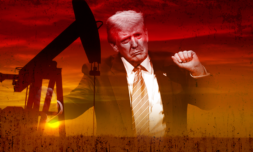
Right after rolling back on the Endangerment Finding, Trump revoked key vehicular emissions regulations and had the Pentagon buy more coal.
Just when it feels like the man has scraped the bottom of the barrel, he just keeps on digging – and that analogy is basically literal. In other words, Donald Trump has ignited a second wave of climate policy abandonment.
Before explaining the latest developments, let’s look back for context.
In 1999, a bunch of environmental organizations and US states, led by Massachusetts, petitioned for the Environmental Protection Agency to regulate Greenhouse Gas Emissions stemming from new cars.
With the nation’s transportation industry blowing up, it was soon obvious that this sector was the fastest-growing source of GHGs. Petitioners argued that car emissions should be considered air pollutants under the Clean Air Act, necessitating regulation.
After years of denying the petitions, the Supreme Court finally issued a landmark ruling that classified GHGs as air pollutants under the Act. The ruling also mandated the EPA to determine if these gases endanger the public, in which case it had to regulate them.
Finally, in 2009, the EPA determined that GHGs posed a health danger to the public, and the Obama administration formally endorsed what became known as the Endangerment Finding.
As a result of this landmark order, the Finding became the legal bedrock for most US federal regulation. This includes tailpipe standards, which set strict fuel economy and carbon emissions standards for cars and trucks.
Additionally, harmful emissions from coal and gas began to be targeted, paving the path for the Clean Power Plan, which focused on renewable energy sources. On the side of oil and gas, regulations were also brought in to oversee methane leaks from drilling operations.
Covering all these bases, the Endangerment Findings became a bedrock of US climate policy for decades… that is, until Trump retook office and rescinded the entire thing.
Climate change is an issue that only Congress, not a regulatory agency, has the power to address due to its political and economic consequences, and Trump sees an opportunity to lower vehicle costs, expand customer choice, and tuck $1.3 trillion away.