






 0 comments
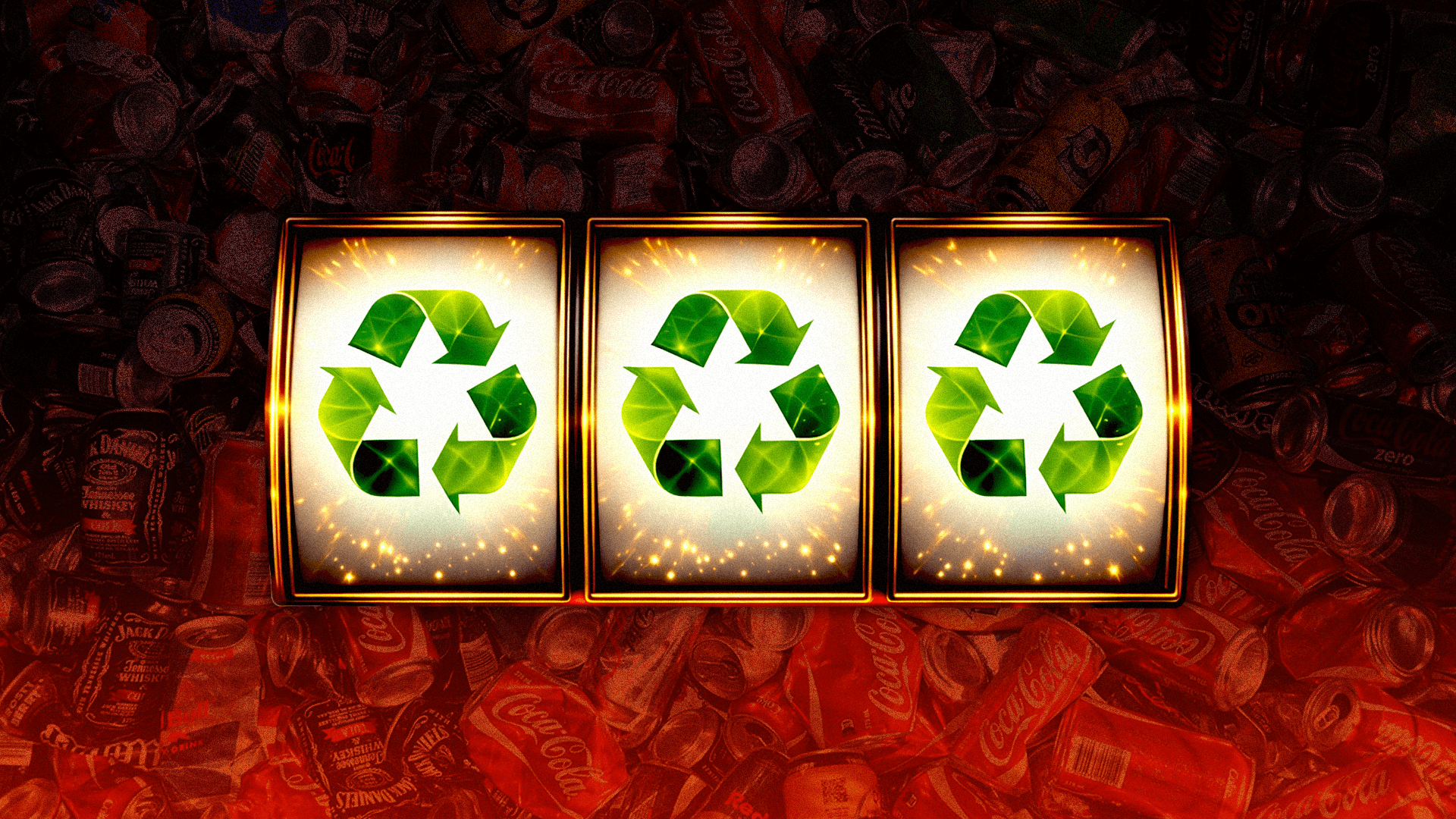
Would people be more inclined to recycle their waste if they had a slim chance of winning $1,000 each time? Unsurprisingly, the data says yes.
A sense of moral responsibility or pang of guilt not cutting it? How about four figures of cold hard cash for that garbage?
Around 10 US states are already reimbursing people with a few cents for their empty bottles or cans, but what if the odd dime could be traded for the chance to win a significant prize every time you popped to a public refuse area and recycled something?
Researchers at the University of British Columbia hypothesised that a small chance of gaining a greater prize would be more alluring to the public than the guarantee of a minor reimbursement each time they popped to a bottle deposit, and they were right.
After checking the metrics of two prototype smart bins that offered the guaranteed return of 10-cents per waste item, or a 0.01% chance at winning $1,000, they discovered that people vastly preferred the latter option. In-fact, the introduction of the lottery prompted a further 47% increase in the volume of items recycled.
Over a two-month period, the researchers monitored one of the smart bins located at a food court. They found that not only were people recycling more, but that on many occasions they were collecting cans and bottles from other tables to earn more lottery tokens.
They also surveyed a bunch of the people who engaged, discovering that those who chose the lottery option – all of whom didn’t hit the jackpot – were slightly happier than those walked away with the 10-cents in their pocket.
The idea that people prefer a slight chance at winning a big prize over a guaranteed small reward is a common one in behavioural economics, and it’s not just this experiment that proves it has real world application in improving civic sustainability.