




























 0 comments
We couldn’t stop longing for what it didn’t have
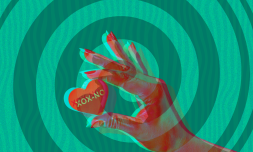
After a decade defined by hustle and optimisation, 2025 turned toward something softer and unresolved. The year of yearning.
From breakout show ‘The Summer I Turned Pretty’ to Charli XCX’s viral hit ‘party 4 u’, the past 12 months of romance have been all about reaching out and never touching. But why has this childhood sense of longing had such a comeback?
According to Impact, as our sense of love faces ever more complex hurdles in the digital world, yearning provides a way of investing in grandiose romance – the kind we might associate with a bygone era. When social media makes it easy to access everything at once, yearning is a way to keep intimacy and connection on a pedestal.
The irony is, yearning has defined romantic popular culture for centuries. Just look at the Bronte sisters – they can thank unrequited love and Mr Darcy’s clenched fist for their prevailing literary impact.
But perhaps that’s why we’ve fallen so hard for longing this year. It represents a time before hyper technology, a slower time when love was able to unfurl innocently. Bojana Jovanovic suggests films and series are now ‘celebrating the slow pace of emotions […] the tension in glances, all those subtle moments that never grow into something final,’ as a way of feeding our hunger for nostalgia.
Yearning offers an escape hatch from the transactional logic of modern dating, where interest is measured in response times and algorithms.
In a landscape where dating apps encourage efficiency and optionality, longing becomes a way of resisting closure. It allows feelings to exist without being immediately tested against reality, at least.
Psychologically, of course, yearning is safer than it looks. Imagining intimacy can feel more rewarding than sustaining it, partly because fantasy is immune to disappointment. It ultimately prolongs the ideal by keeping it out of reach.