






 0 comments
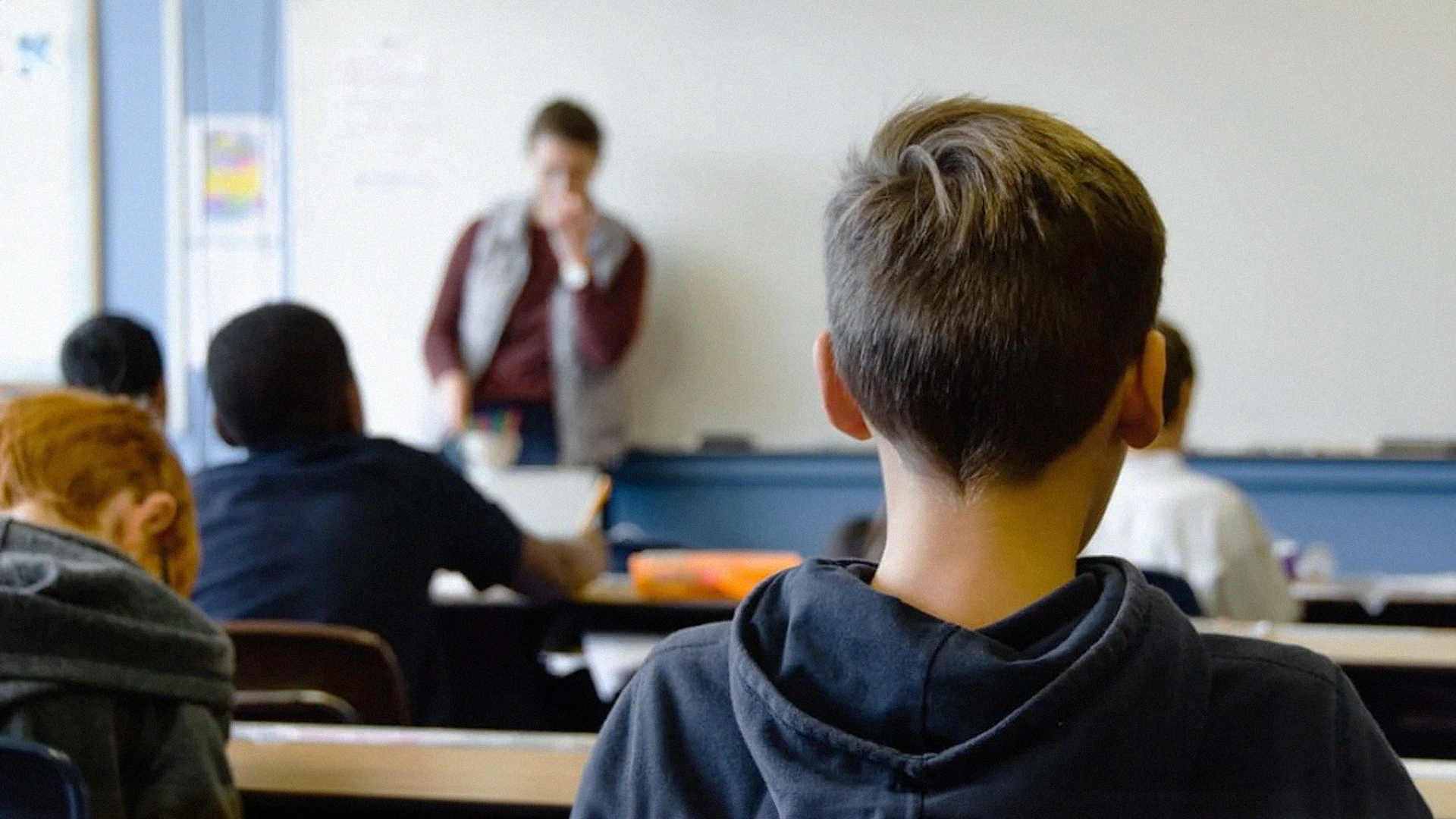
The impending measures include teacher training to spot misogyny in classrooms and the enrolment of ‘high-risk’ pupils into corrective behavioural courses.
The British government has thrice delayed its elusive strategy to prevent the radicalisation of young men into the ‘Manosphere’, but is now starting to show its hand.
Teachers will now receive specialist training on issues such as consent and the dangers of sharing intimate images, with a view to putting young men in good stead for future relationships during their socially formative years.
Underpinned by an initial investment of £20m, the training pilot will select secondary schools in the new year to partake in a three-year review.
Any students deemed to be exhibiting signs of unhealthy behaviour towards girls and women in a repeated capacity will have to attend extra care and support – including courses to tackle any burgeoning prejudices or concerning thought patterns.
‘This is about giving young people the tools to navigate a complex digital world,’ one Department for Education spokesperson said, ‘not about labelling them.’
A new helpline will also be opened where teenagers can discuss the dynamics of their own relationships and bring any concerns to light. This is an important component, given a recent Ofsted report found that sexual harassment and online abuse were so commonplace in some schools that students had come to see them as ‘normal’.
The BBC reports that 40% of teenagers in relationships are victims of abuse, according to charity organisation Reducing the Risk.