






 0 comments
The latest entry to the franchise had already divided opinion, then players discovered the blatant use of generative AI. This is a pivotal moment for the industry.
There are a few constants in life: death, taxes, and the rollout of a new Call of Duty game every 12 months.
The franchise hasn’t exactly been synonymous with quality over the last handful of releases, but Black Ops 7 is even failing to reach the commercial heights of its recent predecessors. This is in-part thanks to the successes of ARC Raiders and Battlefield 6, but also a misjudgment in creative direction – if you care to judge the sentiment across social media.
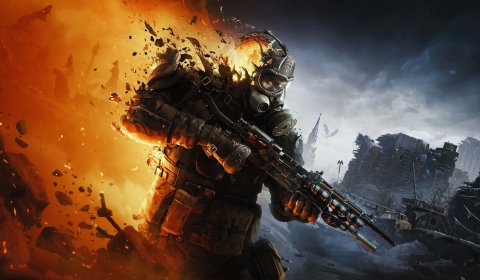
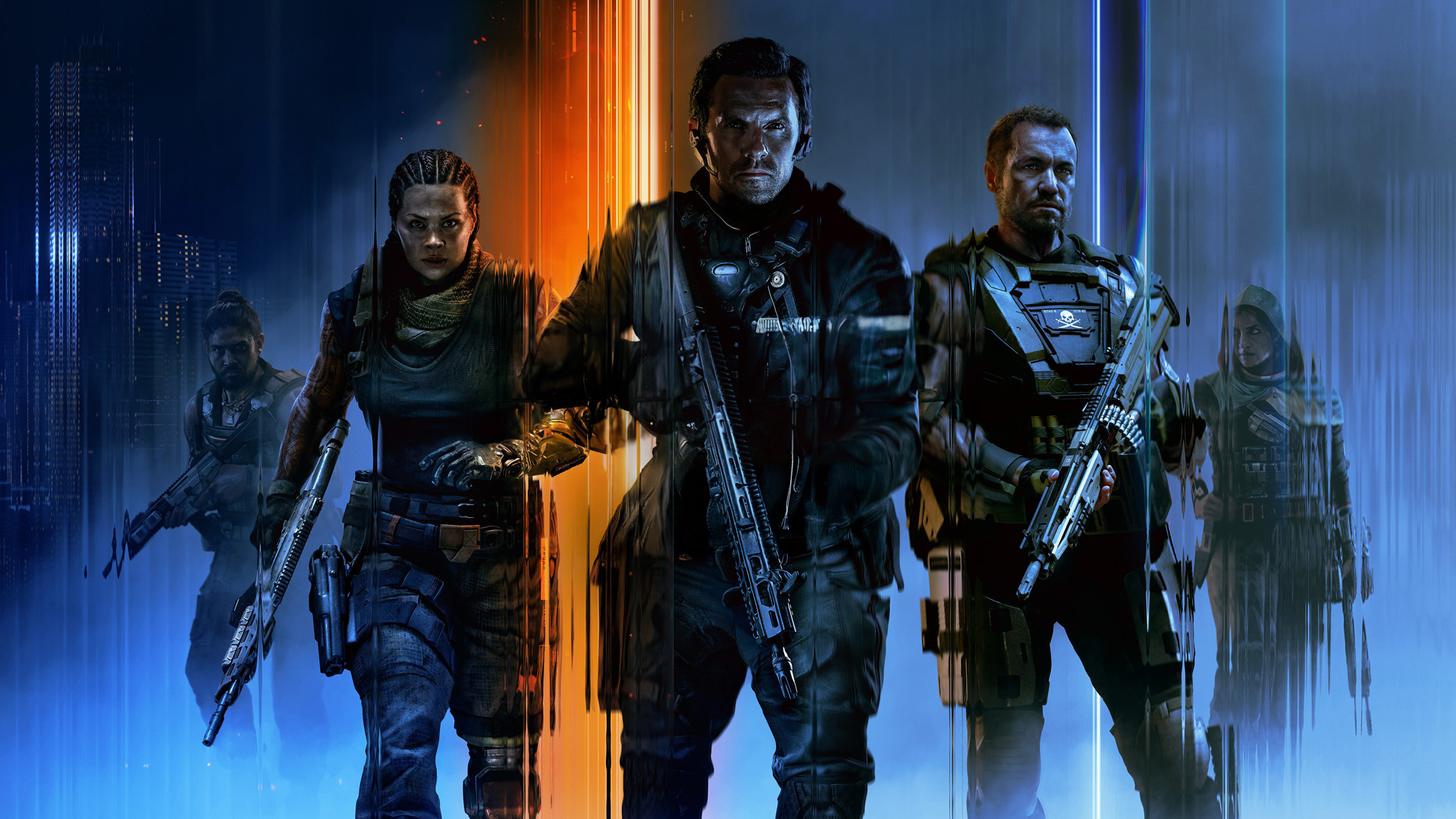
This time around, fans were anticipating the dystopian trademark of Black Ops complete with mechs and futuristic weaponry, but with a more grounded tone than the jet-pack chaos of the mid-2010s.
The recent oversaturation of corny skins and cosmetics was also something the creative team were apparently keen to get away from, in lieu of creating something more grounded and purposeful.
Ironically, what we’ve ended up with is a product that doesn’t even try to masquerade as anything other than a hollow cash grab, and the coup de grass of its shamelessness is the dishonest use of generative AI to cut corners.
Within just 20 minutes on the game, I discovered the grubby prints of AI all over the ‘Calling Card’ section, where players earn cosmetic banners to commemorate certain skill milestones alongside their gamertag. To make matters worse, the very viral ‘Studio Ghibli’ style that has been extremely contentious in the design world is visible everywhere.
Considering Call of Duty has thrice the creative resources and financial muscle of most AAA franchises, this feels like a potential tipping point for gaming. The franchise is one that has set industry standards over the years in terms of cinematic storytelling, technical polish, and grand production value, and yet something as simple as basic cosmetic art is now being outsourced to a prompt.