






 0 comments
When themes are explored and executed this tenuously, can we finally admit that TV’s fascination with serial killers is carried by morbid curiosity and nothing more sophisticated than that?
Our minds are in the gutter, let’s just admit it.
We can pretend the modern obsession with the macabre is about something deeper, but the uncomfortable truth is that people want to be titillated with grizzly details. It’s about time folks are honest about it and jump in the mud together.
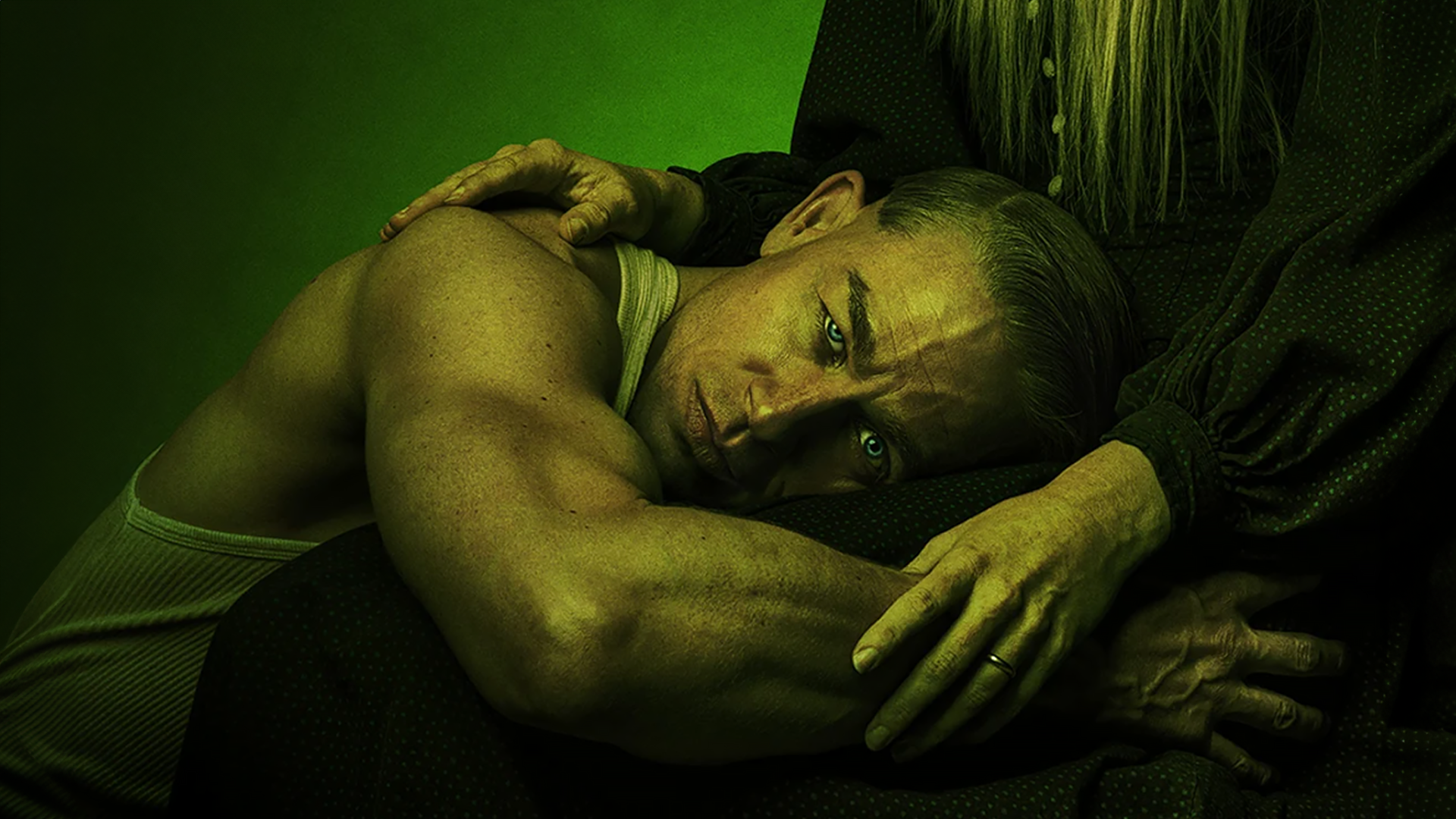
The pretence of veiled learnings and sensitivity slips entirely in the new, third installment of Netflix’s Monsters anthology series, The Ed Gein Story. Having seen a handful of reviews slamming Ryan Murphy’s show as an exercise in hollow and baseless murder porn, I decided to keep an open mind and sit through the eight episodes myself – just to discover that they were right.
If you’re unfamiliar with Mr Gein, here’s a brief rundown that hopefully won’t make you spew up your lunch. Dubbed by tabloids as the ‘Butcher of Plainfield’ or the ‘Plainfield Ghoul’ in the 1950s, Ed Gein committed a series of killings and grave robbings in Wisconsin before being caught by authorities in 1958.
Having lived a life of sexual repression under the exhaustive eye of his fanatically religious mother, following her death, Gein indulged in his base desires to create trophies, furnishings, and wearable fashion using the body parts and skin of the deceased.
His gruesome deeds became the subject of intense fascination in the mid-20th century, serving as the inspiration for legendary horror films like Psycho, The Texas Chainsaw Massacre, and The Silence of the Lambs, the creators of which all referenced Gein directly in interviews or books.
The show latches onto this connection as a means to depict Gein’s heinous deeds in a stomach-turning level of detail, while trying to say something clever about American culture. For anyone who knows their stuff, however, this justification unravels about as gracefully as one of Buffalo Bill’s skin suits.
For one, the show is about as chock-full of half-truths and conjecture as you could get.
There are entirely fabricated relationships with purported victims – of which the show greatly overstates, considering he was indicted on two murders – an acquaintance from town is misrepresented as a deviant accomplice, and there’s a bizarre plotline that uplifts Gein as some sort of antihero in the final episode.
That’s just for starters, too.
The show’s first divergence from the canon story clutches at straws and never looks back. The semi-closeted lead in Psycho, Antony Perkins, is baselessly portrayed as having some kinship or insidious commonality with Gein, purely because both had struggled with their sexual orientation.
Troubled as Perkins may have been in his later years, drawing parallels to a man who literally flayed people and wore their faces is frankly ridiculous.
Many of the contorted events within Gein’s perception are waved away as things happening in his mind, though the show waits until episode eight to make any reference to Gein’s schizophrenia. It also regularly places Gein at the scene of unrelated tragedies.
Case in point, there’s an entire scene where Gein chases two lost hunters through the woods and kills both with a chainsaw.