






 0 comments
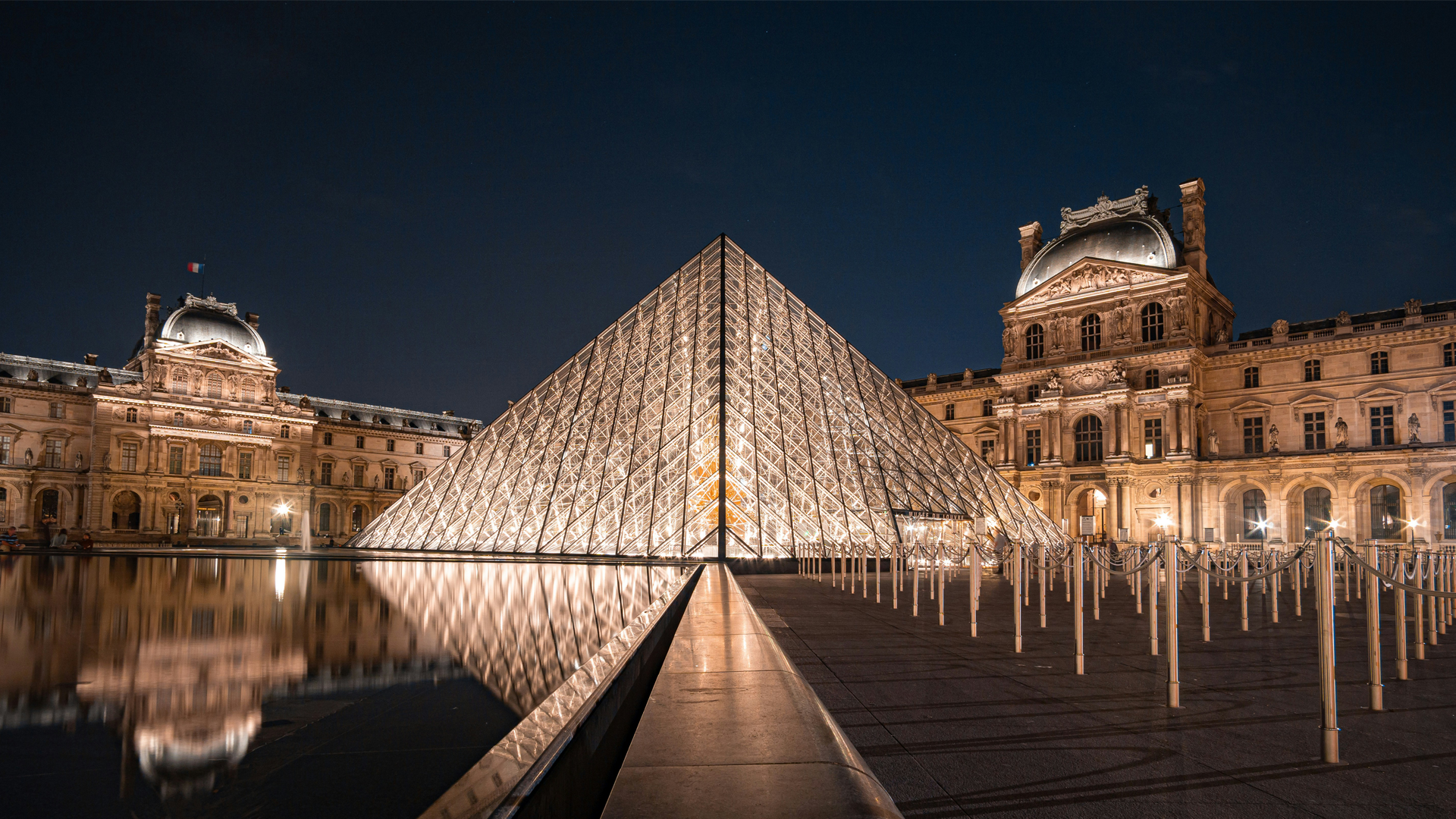
Last week, professional thieves pulled a van up to the Louvre, propped up a ladder against a wall, and broke in through a window. They stole eight pieces of priceless French jewellery before fleeing on scooters in broad daylight. How was this possible?
Last week, eight pieces of priceless jewellery were stolen from the Louvre in Paris, France.
Four thieves drove a van up to the side of the building, climbed up a window, broke in, and then spent several minutes cutting into various glass cabinets where the jewels were kept. They then left on scooters via the main road and drove off into the Paris traffic. All in broad daylight at nine o’clock in the morning just as the museum was opening.
The pieces are considered to be priceless artefacts of significant historical value.
Included is a tiara and earrings worn by Queen Hortense and Queen Marie-Amelie, an emerald necklace and the earrings of Marie-Louise, a tiara and brooch made of both pearls and diamonds worn by Empress Eugenie, and a ‘reliquary brooch.’ The Eugenie Crown was also stolen but was seemingly dropped during the getaway.
As The Guardian outlines, this outrageous heist follows on from a series of other, recent high profile thefts, including the nabbing of a near £5 million golden toilet in 2019 and a burglary at Dresden’s Green Vault Museum the same year.
Public response has been of outrage and concern, with major questions being asked as to how this was at all possible, and why French security was so lacking in this incident. How were four unarmed thieves able to pull off such a stunt in broad daylight in the centre of one of the world’s busiest cities?
Unsurprisingly, French authorities have expressed regret at the theft.
Justice minister Gerald Darmanin told the media that security protocols had ‘failed’ as ‘people were able to park a furniture house in the middle of Paris, get people up it in several minutes to grab priceless jewels and give France a terrible image.’
Since the incident, other security measures for cultural sites across France are being re-examined, with the Louvre closed on Monday due to security concerns.
The Guardian notes that a state auditor report on the Louvre was due to be published next month, with several concerns raised about delays in updating museum equipment. One third of the rooms in the museum also lacked any kind of security cameras and the window that was broken into was not reinforced.
Many high-end thieves are now targeting historic museums instead of luxury jewellery stores simply because they’re less secure, easier to target, and have outdated infrastructure that is often in desperate need of updates.
Western countries have largely put culture budgets on the backburner in recent years, with less priority given to police and security. Those managing older structures with historical significance will also be reluctant to make any major aesthetic changes that could compromise the exterior.
Expert Elaine Sciolino says that French authorities have largely prioritised crowd control rather than deterring thieves in recent years. ‘There is no rapid-response unit,’ they said. ‘Security all comes down to political will and money, and currently France simply has no money.’