






 0 comments
A new ‘junk food deals’ ban will come into effect in England this Wednesday, preventing supermarkets and restaurants from giving discounts on unhealthy items. The intention might be honourable, but parenting the public doesn’t tackle the root of the problem.
Junk food deals in major supermarkets will be banned permanently this week following a ruling by UK ministers.
Major chains will no longer be able to sell ultra-processed foods in bulk for special discounts, such as ‘buy one get one free’ or ‘get one half price.’ The law change has been under consideration for five years but was previously delayed due to the cost-of-living crisis.
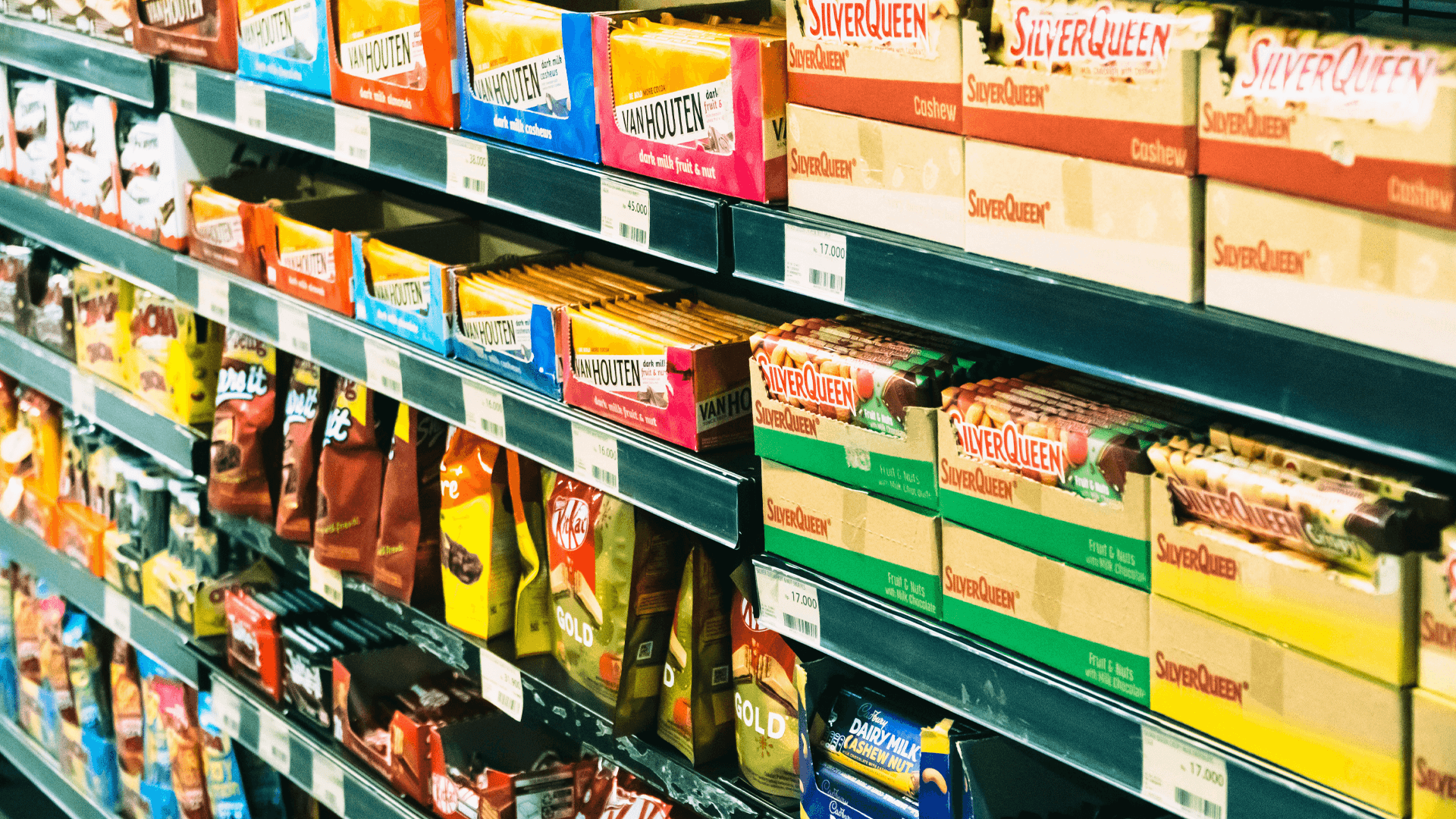
The ban will affect major chains like Morrisons, Tesco and Sainsbury’s. It will also be applied to restaurants that offer free soft drink refills via self-serving machines such as Nandos. Foods included as part of the ban are crisps, chocolate, ice cream, cakes, sweets and even fishfingers.
While the government says this will be a major step toward combatting obesity in the UK, the reaction online has largely been frustration and disgruntlement. It feels like the government is babysitting the public and firmly dictating what’s good for us and what isn’t.
This push to change consumer habits at the till feels misplaced, when more should be done to solve the issue at its roots – by changing the way food is produced and distributed.
Should the government be allowed to interfere with public behaviour for the sake of health?
Before we dive in further, I’m not saying that we should all be buying tons of junk food, nor should we replace organic ingredients and home cooking with ultra-processed snacks.
Studies show that unhealthy foods that use a multitude of ingredients and artificial products are increasing our risk of colon cancer, obesity, and other health issues.
Instead, I’d argue that a ban on ‘junk food deals’ simply robs regular people of choice, and indicates that our government doesn’t believe in the competence of its own citizens to make decisions. It places blame for the obesity epidemic squarely on individuals, rather than pivoting focus toward the companies that produce, advertise, and market products to the public with little restriction.
Where is the uproar for junk food giants sponsoring massive sporting events like the Olympics? Why is Heineken allowed to be a major advertiser within the UEFA Champions League? Why are fast food chains able to build stores along every single high street and service station?
These facets of our health problem are ignored because they’re extremely profitable and managed by massive corporate entities.
It’s easy to point the finger at consumers and appear to be health-conscious by making junk foods more expensive, rather than trying to tackle any long-standing systematic problems that require actual initiative to address.
However, in fairness to the government, there does appear to be some attempt to curb advertising rules in the UK, and the intentions behind these new measures are warranted.
A ban on junk food commercials that target children is in the works, though it was recently delayed until 2026 due to lobbying from the food industry. Over the past decade, tighter rules have been enforced around calorie labels and nutritional information, and a ‘10 Year Health Plan’ seeks to hold food retailers to a more robust standard.
Statistics for public health in the UK paint a particularly grim picture, too.
According to the government’s own website, 64% of adults were classed as overweight or obese from 2022 to 2023. This was a 2.8% increase compared to 2015 to 2016. In that same time period, 69.2% of men and 58.6% of women were obese or overweight.
Such high numbers are a major strain on an already-overwhelmed NHS and cost the taxpayer a significant chunk of cash, even if they’re looking after themselves and keeping out of hospital. Given all this data, I don’t have an issue with why the government is enforcing change, the issue lies squarely with how.
I exercise regularly and live health consciously. Surely I should be allowed to decide when to purchase two chocolate bars rather than one myself? I’m nearly thirty, for crying out loud.
Taking away agency over my diet seems unnecessarily invasive and I’d rather have the space to navigate my own habits without interference. Instead, more pressure should be placed on these companies to produce healthier foods and operate with greater care for public health, rather than punishing the consumer at the end of the retail process.
Will this new ban even work?
Interestingly, my opinions seem to be shared by some commentators online.
On a Reddit thread via the UK subreddit, a majority of commentators voiced concern at the eagerness of government to interfere with public life. One user wrote, ‘what is it with this country’s obsession with nanny statism?’ Another added , ‘holy f***, can the government just f*** off and punish bad people instead of making everyone’s lives miserable?’
'Buy one, get one free' deals for unhealthy food banned in supermarkets
byu/Admiral_Fish21 inunitedkingdom
Others also point out that a ban on junk food discounts and deals can easily be circumvented. Companies could start doubling the amount of product available in a single package, for example, rather than offering a ‘buy one get one free’ discount. They could also increase the size of foods, lower prices across the board for certain items, etc.
There are also questions surrounding how this will be enforced.
The current legal description of the ban states that new laws will only be relevant for major supermarket chains and large retail stores, as well as restaurants that offer unlimited refills on soft drinks. Should this later move to smaller shops, it may be harder to keep tabs on who is offering what and where.