






 0 comments
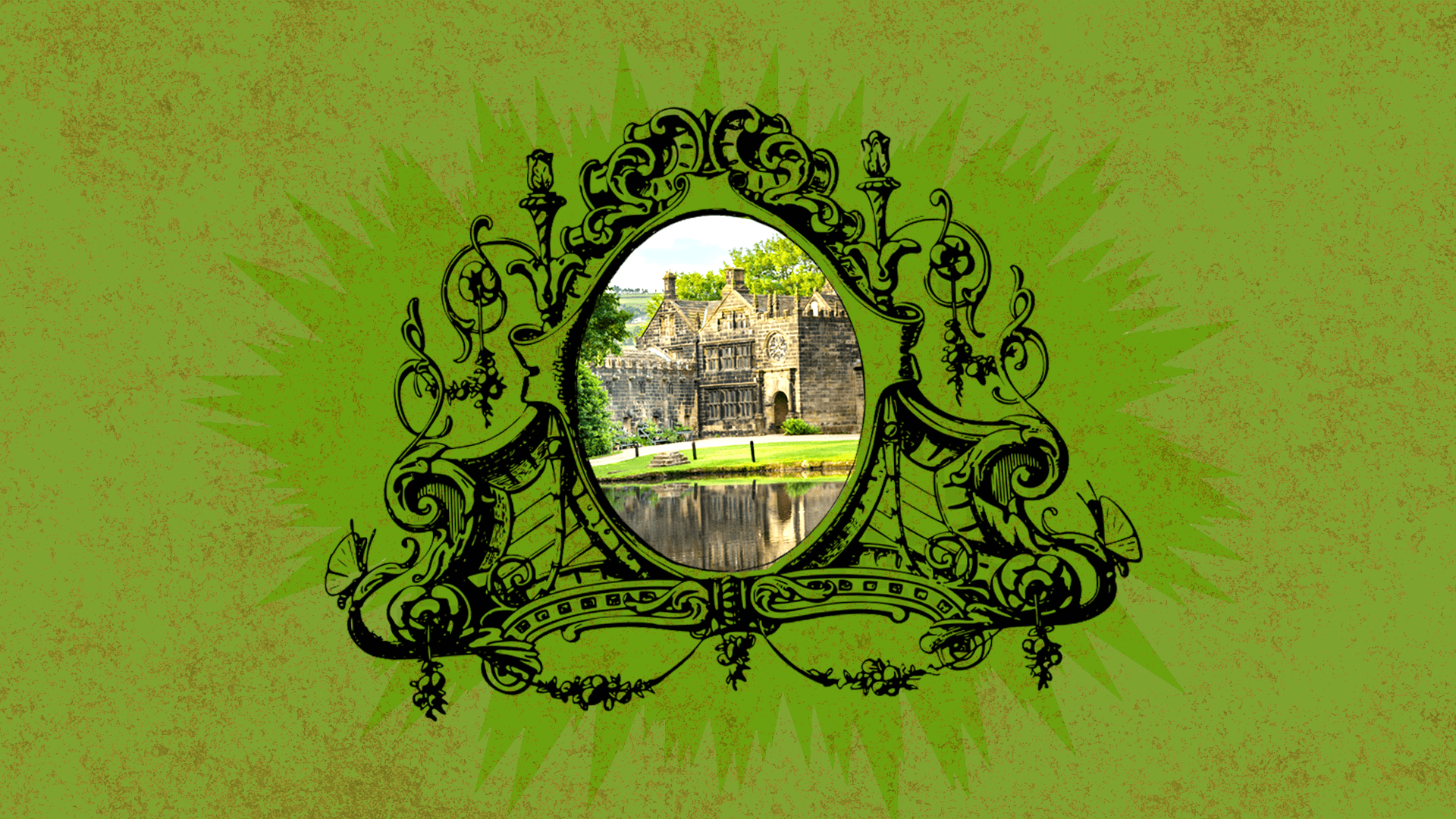
Why is Gen Z’s love of the National Trust everywhere in the media? It actually makes a lot of sense.

As Gen Z largely veers away from nights on the lash, why are flapjacks in a tupperware box fast becoming the alternative to jagerbombs?
The cohort is spending weekends, and I can vouch for this anecdotally, wandering around rose gardens and 17th-century kitchens. It’s not ironic, either. They’ve just recently stumbled on the dissociative heaven apparently offered by the Natural Trust.
The charity organisation has reported a 39% rise in 18-to-25-year-old members last year. If you’re a screen-gremlin, like me, you’re probably not aware, but the National Trust incudes access to 500 sites for less than a fiver a month.
It’s an open invitation all year round to leave the concrete jungle behind for a couple hours and go for a potter around stately homes and nature trails. If you like a bit of lemon curd, jam, and free parking spots, you’ll seriously f*ck with it as a pastime.
The hobby fits right into Gen Z’s preference for soft living. The pandemic has made young folk less frantic about socialising, and more conscious of looking after themselves, whether through 6pm dinner rituals, gym trips, jogging like maniacs, or swapping bars for living room socials. Viable, cheap hangout spots aren’t easy to come by, either.
The National Trust is supplementing a glaring gap in the lack of third spaces available to Gen Z for socialising, working, and dating away from data harvesters. Economically, it also goes without saying that it’s far more viable to grab a flat-white from a forest café, than to spunk £18 on poached egg on toast at Bills.
It’s a tired point, but we will repeat it, nonetheless. We’re having our pants pulled down by the price of living. Our average wage leaves little room for more than rent, mortgage fees, and supermarket slop full of preservatives.
The idea of swapping this high-pressure chaos for a restorative walk, where you can chuck a squirrel some muffin, and not feel bogged down by the modern pressures of life is undoubtedly appealing. There are no QR codes to scan, just sit your arse on grass and watch some Robins flitter about.
Interestingly, there are distinct differences in the behaviour of Gen Z Trust visitors and their predecessors too… and it’s not just that they’re not wearing gilets or walking a whippet. Experts say that Gen Z are arguably more curious about the complex histories behind these properties, when it comes to things like empire, class, and conservation.
This aligns with the generation being, as we know, very politically clued up and keen to dig beyond headlines. They’re also subjects very pertinent to modern living, and underpin much of our online discourse and reasons for protesting.
The National Trust, to its credit, has recognised that young interest extends beyond walking off hangovers, or wanting to buy a ceramic dog, too. It’s making a discernible effort to cater to Gen Z visitors by organising youth panels, climate conscious projects, and programming that tackles issues like sustainability and mental health. There’s a way to go, but it’s an admirable start. Kudos.
At its core, though, I believe the surge in National Trust interest is attributable to digital fatigue and life feeling overly transactional for young people. A simple scroll through X leads to instant regret – violence, anger, sadness, take your pick – and people are yearning for a couple hours of peace and fresh air.
There are certainly worse ways to spend a weekend. Besides, how else can you get a box of fudge?
See more:
- Why are Gen Z suddenly so invested in stocks?
- Why are Gen Z craving a return to the office?
- Do Gen Z really prefer thrifting over ‘fast furniture?’