





























 0 comments
The athletics governing body has mandated that female athletes undergo testing to detect the presence of the Y chromosome, which is linked to male sex characteristics. Those who test positive are barred from competition on the grounds of having an unfair advantage over athletes without the gene.
The sex-determining region Y gene, or SRY gene, is located on the Y chromosome and gives unique instructions to the body. This gene comes into effect in pregnancy, determining whether a baby will develop male sex characteristics.
With the Tokyo Athletics championships coming up, the World Athletics, a renowned sports governing body, has made it mandatory for all athletes to take an SRY gene test.
In doing so, the organisation has emphasised the importance of verifying an athlete’s biological sex and detecting any presence of the Y chromosome. An athlete must take the test, which can be given by blood or cheek swab, to compete in any sporting event.
World Athletics necessitated the test to ensure that athletes competing in women’s categories are biologically female. Additionally, it allows them to be aware of those with the disorder, Differences in Sex Development (DSD). Athletes affected by DSD may have the male XY chromosomes, but are phenotypically female.
As such, the organisation aims to prevent unfair physical advantages in female competitions from athletes who have undergone male puberty due to their genes.
It has been reported that over 90% of athletes who wished to compete in Tokyo have taken the test successfully. But in their attempts to do so, some countries have fallen into a pit of difficulties.
For instance, France and Norway have laws that prohibit genetic testing for non-medical reasons, such as the SRY for sports purposes. These laws are aimed at protecting the privacy, bodily integrity, and preventing discrimination based on genetic information. Aside from the law, medical professionals also avoid administering these tests to prevent any breach of medical ethics and human rights standards.
Consequently, athletes from the legally restricted nations have to provide their samples outside their countries. Due to the sudden SRY test mandate, athletes in Canada have experienced significant stress and confusion. Since the protocols have not been fully established and the administration costs are high, some had to be tested abroad, creating logistical nightmares.
Several Canadian athletes also had to be retested because the cheek swab samples they submitted did not meet the standards of the World Athletics requirements. This intensified the scramble due to the cutoff date – September 1st, for the Tokyo Championships.
The organisation’s mandate has only worsened the debate on the inclusion of transgender and intersex athletes in female sports. Some athletes back the order, viewing it as fair, while others contend that it undermines the accomplishments of trans and intersex athletes and strips away future opportunities for them.
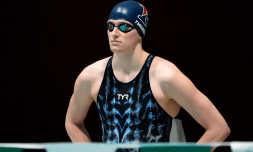
Such has already occurred, like in the case of Lia Thomas, who set swimming records for the University of Pennsylvania a few years ago. However, due to Trump’s mandates, her records were removed by the university, as though they never happened.
Andrew Sinclair, who discovered the SRY gene in 1990, claims that using SRY for regulating female sports is inaccurate and will result in unfair exclusion.
Sinclair should deal with the actual @WorldAthletics protocol, which uses SRY as a precise filter for identifying cases… pic.twitter.com/eQHqaQFGdb
— Zachary Elliott (@zaelefty) August 5, 2025