






 0 comments
New figures from the Night Time Industries Association show that more than one in four late-night venues have closed down since 2020 in the UK. What are the factors at play?
We have all inevitably had that banal chat with our elders about what a particular club venue was once called in their day. At this rate, however, that trend may die with Gen Alpha in the UK.
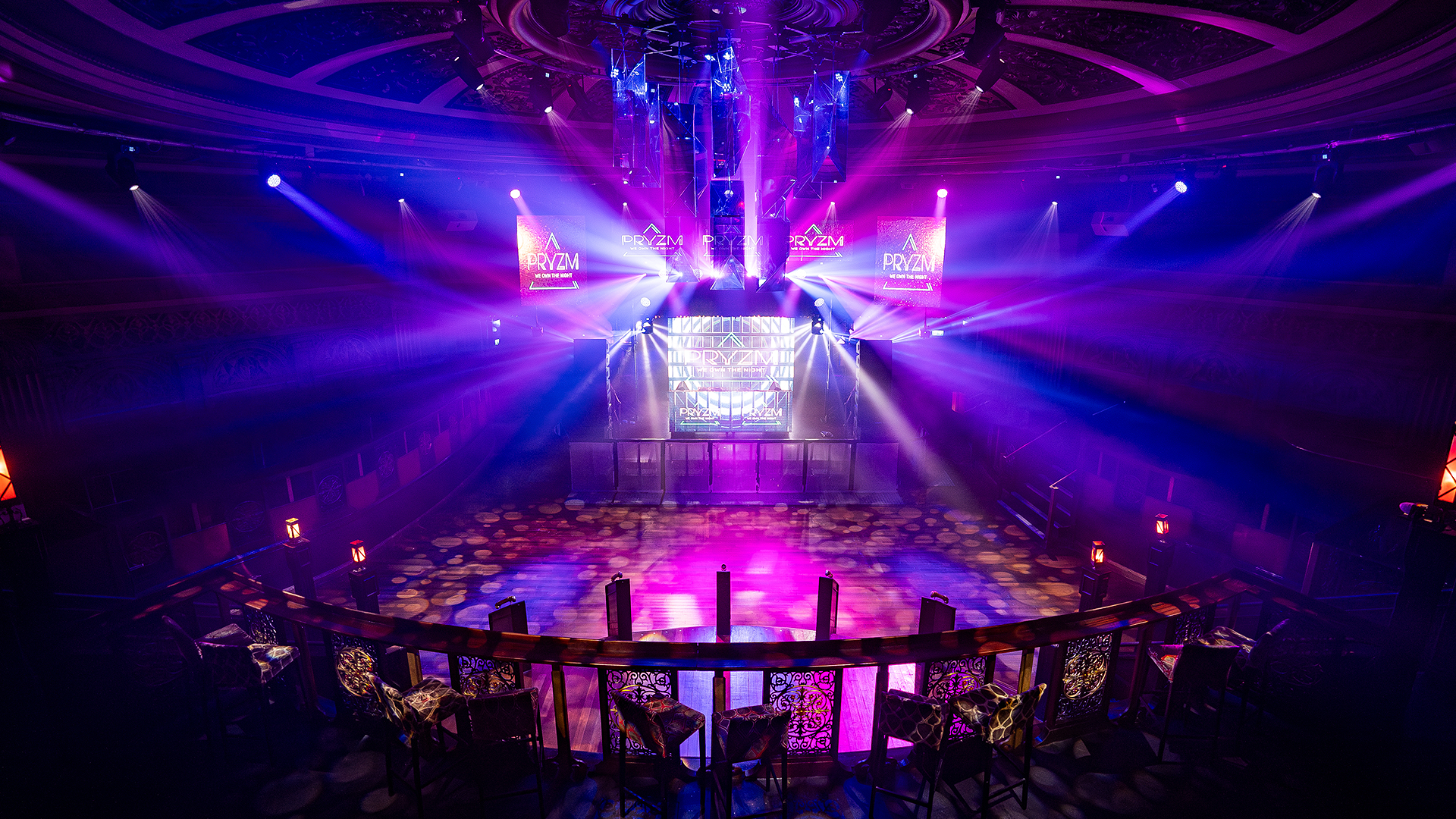
During my own ‘out out’ era, I spent an unreasonable amount of time at a big mainstream club in Kingston, South London, which had numerous titles and facades. What was ‘Oceana’ later became ‘Pryzm’, and now Pryzm is shutting down while its owners ‘reimagine the venue for the next generation of partygoers.’
It sounds like a proactive move – and one that is perpetually occurring with each generation – but make no mistake, this pivot, like so many other businesses in the UK, is born out of necessity.
The latest figures from the Night Time Industries Association (NTIA) show that as many as one in four late-night venues have been forced to close since 2020. In fact, nearly 800 such businesses have shuttered over the past five years, representing a 26% contraction in the UK’s nightlife industry during this short period.
Three nightclubs are closing every week in the UK.
Since 2019, over a third of venues have vanished — that’s 34% of our nightlife gone.
This isn’t just about lost dancefloors. It’s about losing spaces that fuel our culture, economy and identity.
The Culture, Media and Sport… pic.twitter.com/qTgD8C1bsV
— Night Time Industries Association (@ntiaofficial) June 19, 2025
The NTIA claim that only 2,424 late-night venues continue to operate throughout the country, and say that accelerated closures have reached a crisis point of roughly three-per-week – according to net figures of the last three months.
Cliché as it is to say, it’s a sign of the times. For the UK’s younger generations, talking economics is the nation’s second-worst pastime, just behind watching grass grow, simply because the reality is both depressing and overwhelming.
The job market is in continual freefall, with both vacancies and salaries diminishing while entry-level jobs hit a five year low. The hospitality sector, which nightclubs obviously fall under, is also the worst affected by government tax increases, highlighted by the 89,000 lost jobs since the autumn budget last year.