






 0 comments
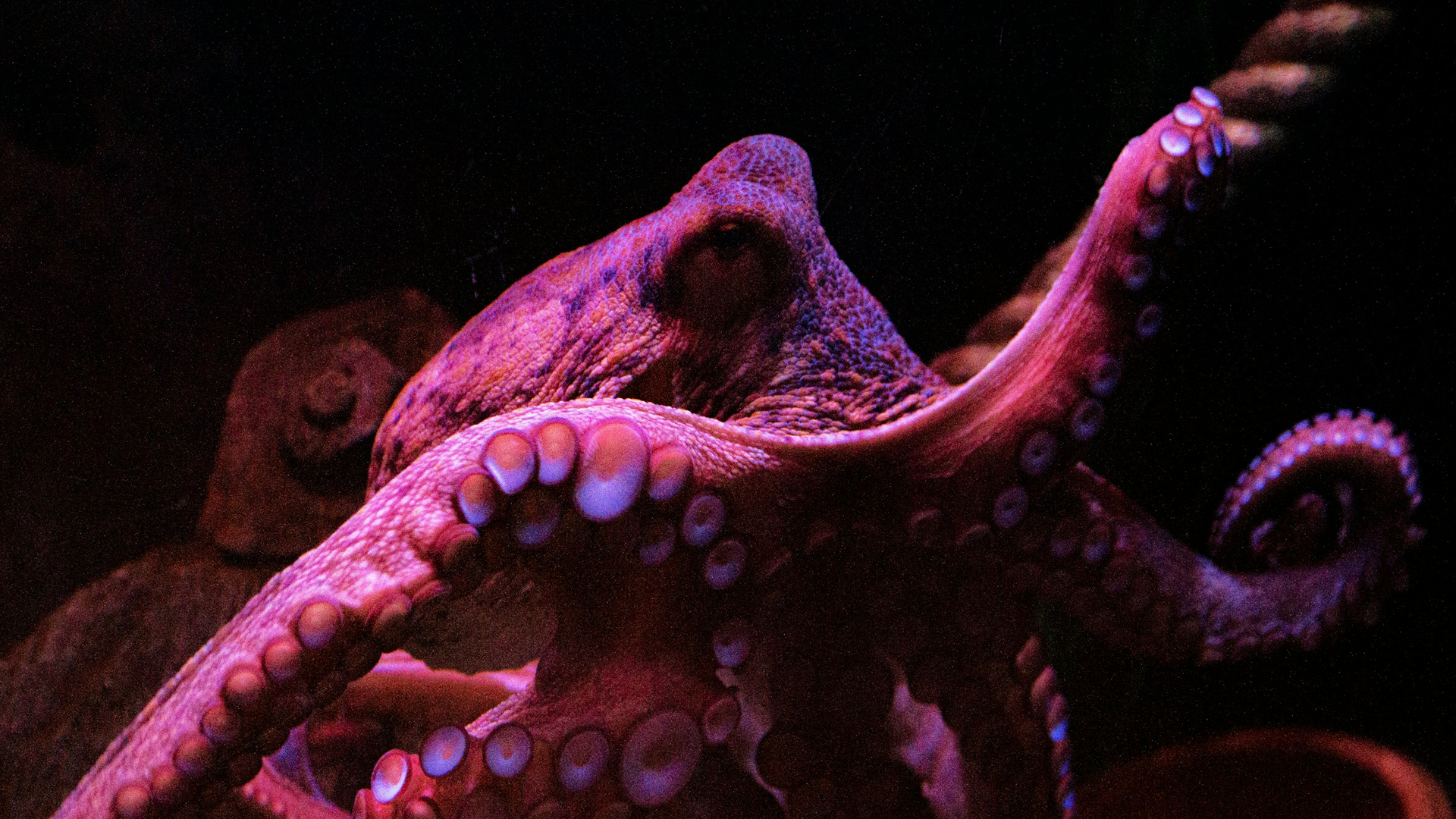
With the culinary demand for octopuses increasing, a Spanish company is planning to develop an octopus farm to keep supplies steady. However, with the sentience of these creatures deemed unfit for farming, Spain is rushing to ban such a development.
In the fight for animal rights, one major contender of backlash is aquaculture. With the populations of wild creatures declining, many companies have turned to farming them. In that vein, Spain is now racing to pass a bill to ban the mass production of one of the world’s most sentient species: the octopus.
There is an existing bill, Law 23/1984, that oversees regulations on marine aquaculture; hence, the current proposal would be a new amendment. It aims to prohibit the farming and commercial trade of octopuses. This includes all activities related to the processing, storage, transport, and sale of the creatures.
In the current political climate, it is unexpected, yet encouraging, to know that all these efforts are made just to stop a local company, Nueva Pescanova, from building the world’s first octopus farm.
As of last year, the global market for octopuses was valued at US$8.6 billion. This value is bound to increase to US$10 billion by the early 2030s. The steady increase in the market can be attributed to changing dietary patterns worldwide, with the biggest producers of octopuses being China and Japan, while their biggest importers are the US, Italy, and Spain.
Spain’s place in the market is truly astonishing, as not only does it import fresh octopuses, but it also processes and exports them to other nations. The nation relies heavily on imports due to the declining stocks of local octopuses. Inevitably, with all the trade wars going on, importing these creatures will only become more expensive.
This is where Nueva Pescanova tried to seize its opportunity, offering a new solution to keeping up with octopus demands at lower costs. The company endeavors to produce an estimated 3,000 tons of octopuses, which equates to a million of them, annually. The farm would hold 1,000 communal tanks with 10 to 15 animals per cubic meter. Sadly, they would be harvested through placement in water tanks kept at -3 °C, effectively killing them.
As it turns out, the stress and pain that the octopuses would suffer through their treatment was enough to get parliamentary discussions rolling for a swift ban. You see, these creatures are fundamentally different from other animals due to their level of sentience.
Numerous studies on octopuses have discovered that these creatures experience feelings such as pain, pleasure, and emotions different from many other animals. Moreover, they exhibit advanced cognitive abilities. Due to their complex nervous system and brain, they are widely considered to be one of the most neurologically advanced invertebrates.
When subjected to pain, many invertebrates tend to only show immediate reflexive responses to an injury, with no emotional response. However, octopuses add another layer of complexity, as their processing of pain evokes emotions within them, aligning their experiences closer to those of vertebrates.