






 0 comments
Gen Z spending on games has bottomed out, according to American research firm Circana. What are the factors at play?
Do I really need electricity and hot water this month? Screw it, I’m getting the Switch 2.
I’m being tongue and cheek with it, but this is the reality lived by just about every gamer Gen Zer that isn’t making six figures on Twitch or YouTube.
Amid an ongoing cost of living crisis in the UK and US, the price of games continues to rise incrementally year on year. With studios increasingly squeezed by AAA development costs, tariffs, and hardware supply issues, the standard price of base-edition games now resides around £70 a pop.
This doesn’t marry up so well with Gen Z and their frugal inclination that has grown since emerging from the pandemic in summer 2021. With soft saving taking precedence over materialistic splurging, it comes as little surprise that the cohort’s appetite for video game spending has cooled across the board.
Video game spend among 18 to 24’s is down sharply.
“Young grads are having a much tougher time finding jobs. Student-loan payments are restarting for millions of borrowers… credit-card delinquency rates have risen to their highest points since before the pandemic…”
www.wsj.com/personal-fin…
— Mat Piscatella (@matpiscatella.bsky.social) 1 July 2025 at 15:25
In fact, recent figures released by US research firm Circana reveal that Gen Z has reduced game spending by nearly 25% compared to 2024. This is a markedly steeper drop-off than that of older generations, which recorded an approximate 5% decline in the same period.
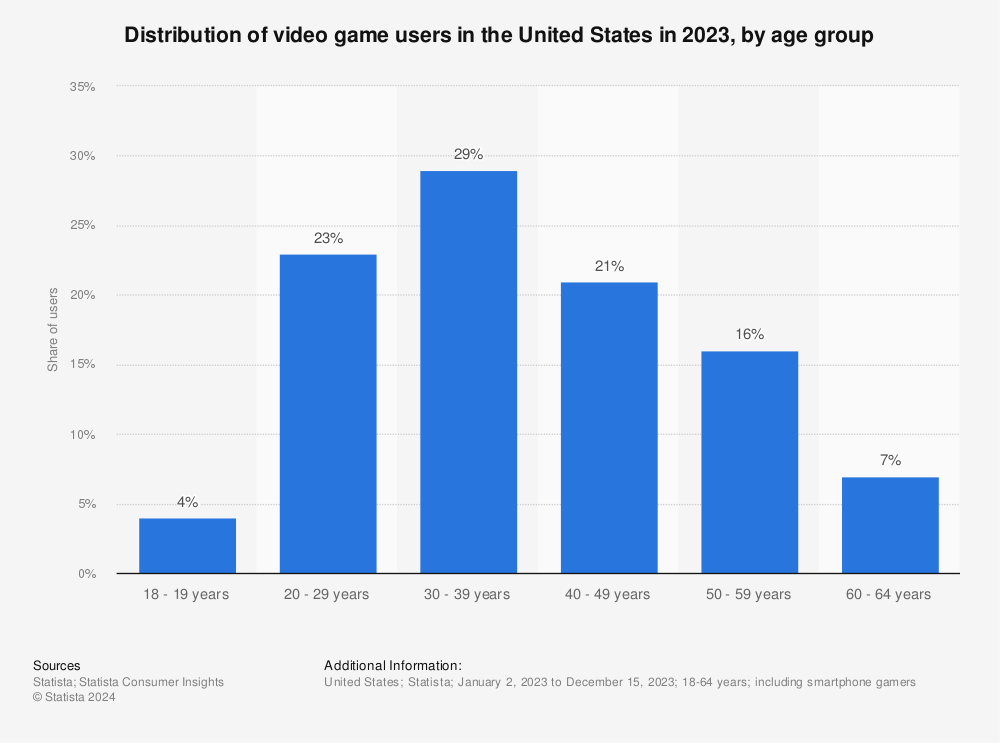
Paradoxically, this spending hiatus comes even as Gen Z logs more gaming hours than ever. As of March, players aged 18 to 29 still make up 28% of the entire gaming ecosystem, according to Statista — proof that younger gamers are exercising financial restraint while keeping gaming as a major hobby. But how does that dichotomy play out?
The widening financial gap is being bridged by subscription services like Game Pass, PlayStation Plus, and even Netflix – if you’re into mobile gaming. Monthly payments are considered a more viable option than shelling out big money for single titles, and in terms of volume, subscription services offer way more back for buck.