The British Supreme Court has ruled against the Conservative Party’s plan to send asylum seekers in the UK to Rwanda over concerns about human rights violations and possible relocation.
A government plan to send asylum seekers currently in the UK to Rwanda has been ruled unlawful by the British Supreme Court.
Although UN refugee agencies have welcomed the decision, this is a huge blow to PM Rishi Sunak and his Conservatives who have been working to set their plan in motion over the last 18 months.
Ironically, the woman most behind the plan was former Home Secretary Suella Braverman. She was fired by the prime minister over the weekend after making statements against the Metropolitan Police’s neutral stance on pro-Palestinian marches and – on a separate occasion – calling homelessness and unemployment a ‘lifestyle choice’.
Before she was removed from her post, Braverman had called shipping refugees to Rwanda ‘her dream’. Days after her expulsion, she has now called Rishi Sunak a ‘weak leader’.
Newly appointed as Home Secretary is James Cleverly, who has said that while he respects the court’s decision, it is ‘based on facts from 15 months ago’ and will ‘not weaken [the current government’s] resolve’ to come up with a plan that is feasible.
Cleverly has identified his two main objectives while holding a position in the role, which aren’t exactly groundbreaking: stop small boats crossing the channel while keeping people safe.
As it turns out, Rishi Sunak is already setting Plan B in motion. He has said he is ‘prepared to change [UK laws] and revisit those in international relationships’ if that is what it takes to get the job done. Sunak is reportedly already working on a new treaty with Rwanda.
It’s no surprise that the Supreme Court’s decision is being heavily contested by the Conservative Party’s leaders. Their stance on anti-immigration, also known as ‘stop the boats,’ has been one of five key points of their leadership pledges.
However, there is a huge moral and ethical debate that is sparked by relocating vulnerable people to a third, faraway country.
Why or why not Rwanda?
The plan to send asylum seekers to Rwanda is part of Rishi Sunak’s plan to prevent illegal migrants from entering the country using boats to cross the English Channel.
He believes that the threat of transfer to Rwanda will deter people from making the journey in the first place. Getting Rwanda to accept those who have already and may one day illegally enter the UK has cost the government £120 million.
A plane carrying migrants to Rwanda took off in July of 2022 but was grounded after the European Court of Human Rights intervened. Not long after, those scheduled for deportation appealed to the UK High Courts to argue that the way they were being treated was unlawful.
The President of the Supreme Court Robert Reed announced the decision to block the agreement by highlighting Rwanda’s history of neglecting its obligations to refugees.
‘The changes needed to eliminate the risk of refoulement may be delivered in the future, but they have not been shown to be in place now,’ the court declared in its verdict. ‘The Home Secretary’s appeal is therefore dismissed.’
On previous occasions, The Court of Appeal cautioned that those seeking asylum had been sent back to the country they’d been searching for protection from or had faced ‘persecution or other inhumane treatment’ while in Rwanda.
The plan to deny refuge to those seeking conflict, violence, and human violations in their home countries has been deemed unacceptable by humanitarian organisations and the opposition Labour Party, too.
Already, the UK accepts the fewest numbers of asylum seekers, with Germany, France and Italy accepting significantly more. Numbers are also dwindling, with 46,000 fewer people making the dangerous journey across the English Channel this year compared to last year.
It’s only a matter of time before Britons will find out whether new loopholes in the law, created by Rishi Sunak himself, will be enough to change the stance of the Supreme Court.
But one this is for certain – he may be scrambling, but he’s not budging.
Deputy Editor & Content Partnership ManagerLondon, UK
I’m Jessica (She/Her). I’m the Deputy Editor & Content Partnership Manager at Thred. Originally from the island of Bermuda, I specialise in writing about ocean health and marine conservation, but you can also find me delving into pop culture, health and wellness, plus sustainability in the beauty and fashion industries. Follow me on Twitter, LinkedIn and drop me some ideas/feedback via email.
Experts suggest the disappearance of London’s iconic red buses will hit the poorest the hardest.
Like most major cities, London is built on a sprawling public transport system. Boasting the tube, black cabs and an iconic route of red bus services, England’s capital is one of the most famous and efficient transport hubs in the world. But experts warn it’s at risk of rapid decline.
Outside of zone 1, red buses...
Alleged victims will be granted new measures including private entrances and waiting rooms, along with specialist ‘trauma-enforced training’ for court staff.
Andy Burnham has announced the rollout of new specialist rape courts in England and Wales, building on measures that are currently only available in limited locations.
At least one courtroom in every Crown Court will be dedicated to handling rape and cases involving serious sexual offences over the next...
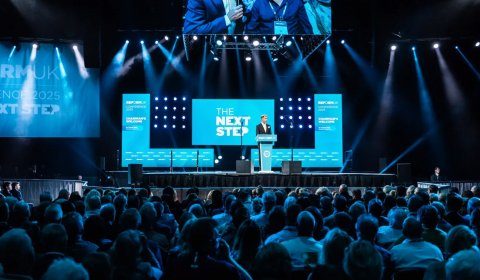
From cutting student loans to stopping small boats, Reform UK used its 2026 conference to tell Britain what its first 100 days in government could look like. But behind the pledges, protests and political drama, what did the conference actually mean for Gen Z?
If there was one message Reform UK wanted people to leave Birmingham with, it was this: we are preparing for government.
Its 2026 annual conference at Birmingham’s...
The value of personal attractiveness is established much younger than you might think. But what does this mean for girls growing up in an image-obsessed era?
We check our appearance around 38 times per day. That pastime was once reserved for mirrors, and now extends to every reflective surface in our vicinity. Phone screens are the obvious preference – whether via their front-facing cameras or shiny black lock screens.
Social media...
We use cookies to ensure that we give you the best experience on our website. If you continue to use this site we will assume that you are happy with it.































 0 comments