Researchers have found differences in the frontal lobe and brainstem of recovered COVID-19 patients when compared to healthy people. These changes are linked to issues such as anxiety, insomnia, fatigue, and other cognitive abnormalities.
Feeling out of whack despite finally testing negative for COVID? A recent small study may have just discovered why.
With millions of people reporting symptoms of long COVID, doctors everywhere are trying to figure out how feelings of fatigue, insomnia, brain fog, and anxiety can persist even after some individuals have tested negative for the virus.
A recent study performed by researchers at the Indian Institute of Technology in Delhi has found some interesting results.
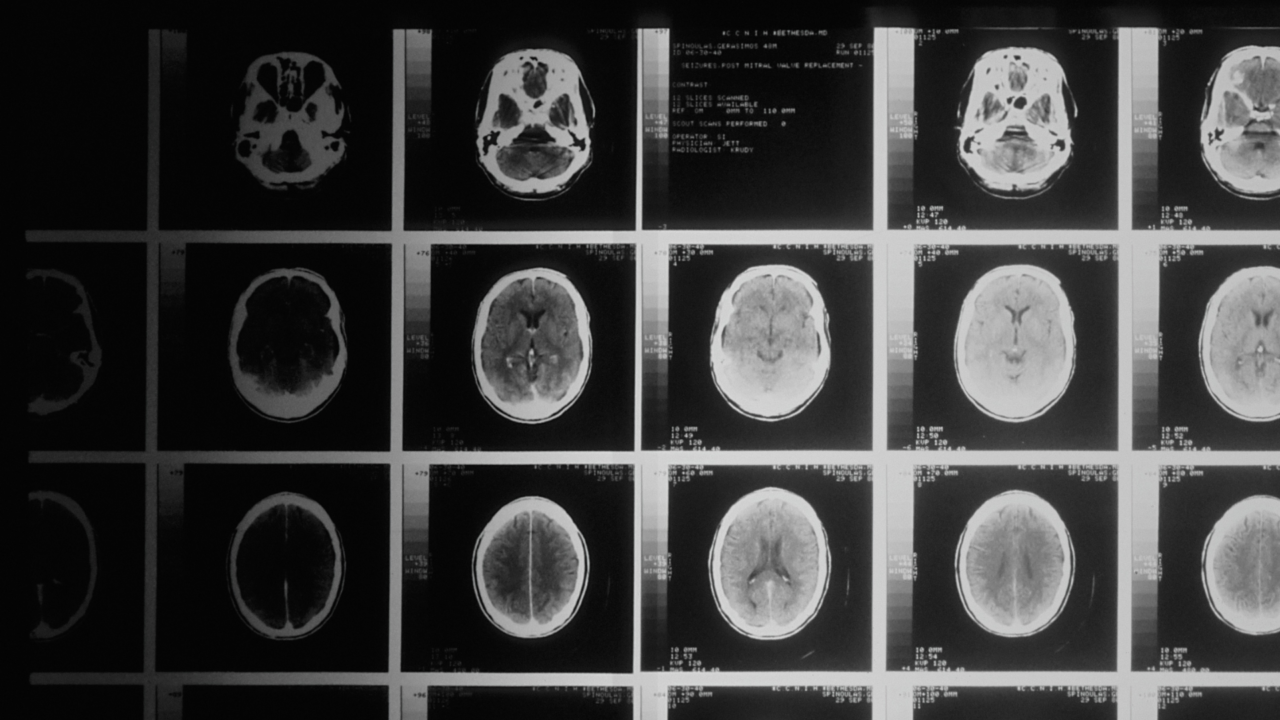
It looked at brain scans of 30 healthy people and 46 recently recovered COVID patients. When comparing them, the researchers noticed ‘significant brain abnormalities’ in scans belonging to the latter, even six months into their recovery period.
The researchers used a special type of magnetic resonance imaging (MRI) scan to look at the group’s brains. According to the report, previous COVID patients appeared to have ‘significantly higher susceptibility values’ in areas such as the frontal lobe and brainstem.
Researchers also noticed changes to the parts of the brain responsible for regulating hormones and circadian rhythms, which explains why many people feel tired, anxious, and unable to concentrate or sleep properly.
Though much of the long-term effects of catching COVID-19 are still shrouded in mystery, there is also some existing evidence that hints at how the virus can affect other parts of the brain.
A study has already confirmed that COVID is capable of reducing grey matter in the brains of people experiencing severe cases of the illness. When inflamed cells in the body travel to brain tissue and spread inflammation, they can damage brain areas responsible for emotion and memory.
This type of reduced grey matter seen in scans has led doctors to believe that COVID can cause brain shrinkage in some cases.
Not to mention, parts of the brain responsible for memory and scent recognition are closely linked. So it should come as no surprise that many experiencing long COVID complain of not regaining their taste or smell.
A study from the University of Oxford looked at the brains of 785 people between the ages of 51 and 85 has found that COVID had damaged areas of the brain that control our ability to pick up scents.
Still, doctors remain optimistic that our brains could repair the damages caused by COVID over time. To prove this, follow up tests will be needed on groups participating in existing studies.
Doctors also urge that there is more research needed to discover whether the same changes to brain structure can be seen in younger people. As scientific research continues, we’ll be keeping our eye out for any new findings.
Deputy Editor & Content Partnership ManagerLondon, UK
I’m Jessica (She/Her). I’m the Deputy Editor & Content Partnership Manager at Thred. Originally from the island of Bermuda, I specialise in writing about ocean health and marine conservation, but you can also find me delving into pop culture, health and wellness, plus sustainability in the beauty and fashion industries. Follow me on Twitter, LinkedIn and drop me some ideas/feedback via email.
With America’s space ambitions only continuing to grow, Trump is turning his focus to the industry’s workforce that could keep the US ahead of adversaries like China.
In both his terms in office, aside from immigration and anti-wokeness, President Donald Trump’s focus has increasingly turned towards the space front. In 2019, he established the US Space Force (USSF), emphasising the growing importance of space to national security.
But this interest...
People are flocking to the platform as online alternatives replace mainstream media. But Gen Z already knew that.
Which chat show host has the monopoly on late-night entertainment? Ask anyone under the age of 35 and they’ll tell you it's not a TV presenter, but a YouTuber.
Amelia Dimoldenberg, the mastermind behind breakout show Chicken Shop Date, has said her YouTube show is finally being taken seriously in the industry, as...
Ukrainian studio 4A Games has endured arguably the worst set of circumstances a game development cycle has ever seen. The war with Russia not only made work on Metro 2039 incredibly difficult, but also fundamentally changed the game the team wanted to make.
There’s something uniquely grim about developing a post-apocalyptic game while occasionally having to stop and hunker down because of real-life air-raid sirens.
That was the reality endured by...
After months of escalating concerns that AI music is flooding streaming platforms like Spotify, the Australian Recording Industry Association (ARIA) has said it will be banning any tracks that are not human-made from the charts.
The Australian Recording Industry Association (ARIA) has announced that songs made predominantly using AI tools are to be banned from the charts.
Starting immediately, all songs must be ‘substantially human-made’ to count in the chart listings....
We use cookies to ensure that we give you the best experience on our website. If you continue to use this site we will assume that you are happy with it.
































 0 comments