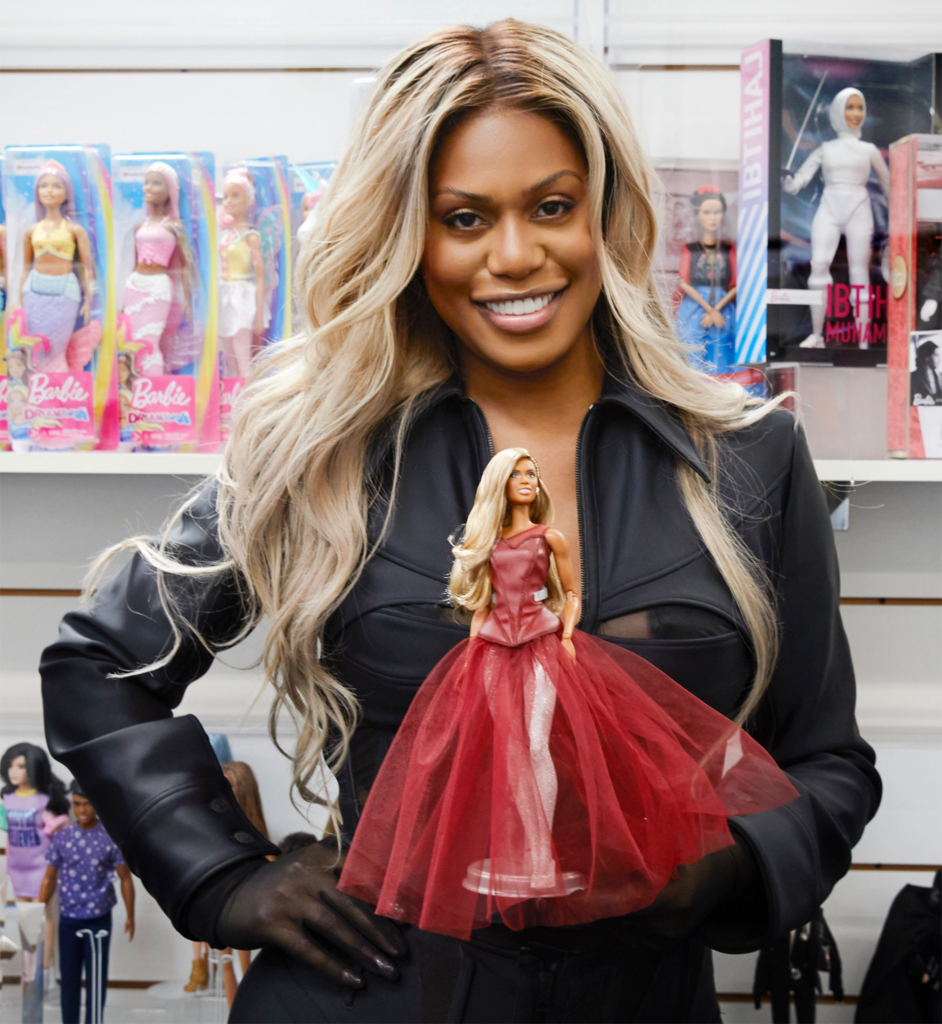
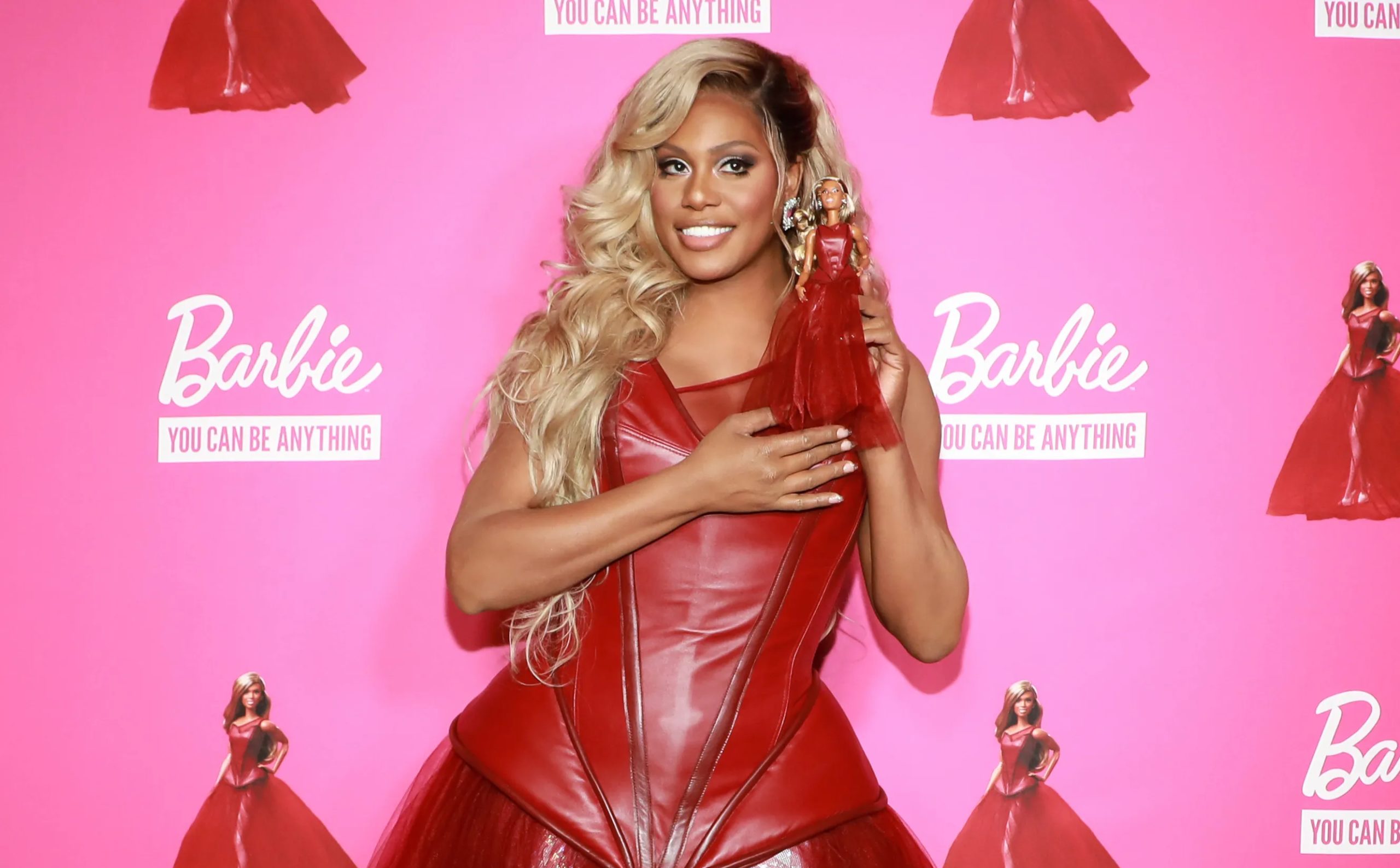
The new Barbie is modelled after actress and trans activist Laverne Cox, and is available for online purchase to mark her 50th birthday.
Barbie has been a symbol of beauty, controversy, and femininity since Mattel launched the doll in 1956. First came ‘Barbie’ as many of us know her today – with flowing blonde hair, heavy makeup, and an impossibly small waist atop impossibly long, slender legs.
In the 63 years following, the brand has taken many forms that reflect the changing social landscape of her time.
We had Astronaut Barbie, who launched in 1965 – four years before Neil Armstrong reached the moon. And then in 1992, Congresswoman Barbie. She launched six consecutive presidential runs in the subsequent years. Talk about breaking plastic ceilings.
This week Barbie has reached another historic milestone. To celebrate LGBTQIA+ activist and actress Laverne Cox turning 50, Mattel has created a Barbie doll in her likeness.
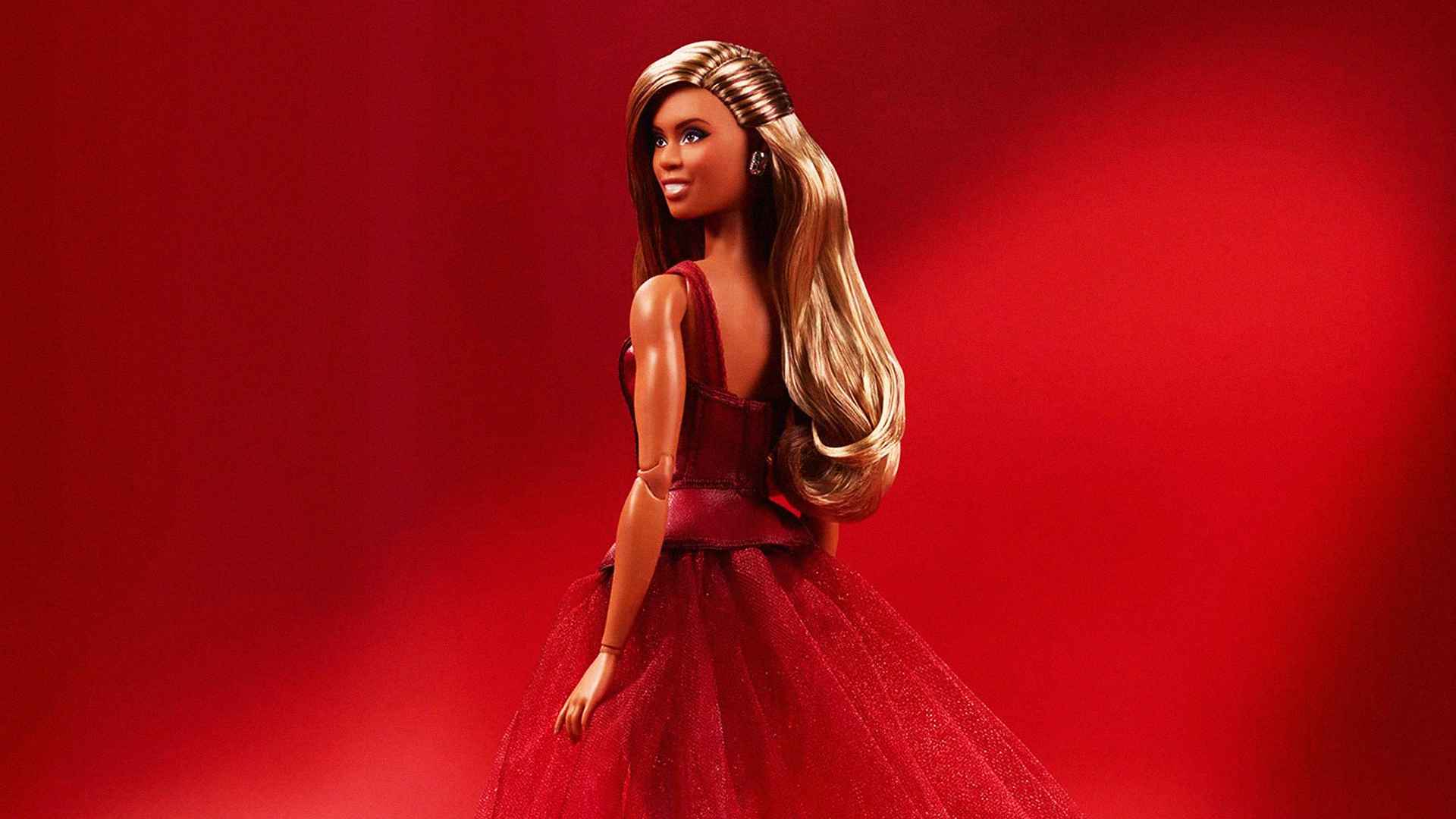
The special edition doll has launched as part of Barbie’s ‘Tribute Collection’, a series of dolls modelled after real people. While the Tribute Collection is expansive, Cox’s doll is the first Trans Barbie ever made.
The pairing makes perfect sense, given Mattel’s doll isn’t the only one famous for pushing boundaries. Cox has an impressive resume of history-making herself.
A four-time Emmy-winning actress, producer, and the first transgender woman of colour to have a leading role on a scripted TV show, Cox has remained an ‘advocate for using her voice and living authentically’.
Mattel announced that their decision to create the doll is part of a company commitment to continue increasing diversity, and ‘celebrates the impact [Cox] has had as an advocate for LGBTQ rights’.
The company has also made a donation in Cox’s name to TransFamilySOS – a non-profit organisation providing trans people across the US with access to gender-affirming healthcare and mental health support – as part of the launch.
Cox’s Barbie is available for purchase online, and was released ahead of her 50th birthday on 29th May.
When interviewed about her Barbie doll, Cox said she hoped the milestone could inspire young LGBTQIA+ people who feel stigmatised.
‘What excites me most about her being out in the world is that trans young people can see her and maybe get to purchase her and play with her, and know that there’s a Barbie made by Mattel, for the first time, in the likeness of a trans person.’
Barbie also has a personal significance for the actress, who recalls being fond of the doll as a child despite being shamed by her mother for playing with them.
Credit: Barbie
‘I had a lot of shame and trauma about that. And my therapist said to me, ‘It is never too late to have a happy childhood.’ She said, ‘Go out and buy yourself a Barbie and play with her. There’s a little kid that lives inside of you. Give her space to play.’ And I did.’
Cox celebrated the launch at a Barbie-themed birthday party this week, complete with life-size packaging and cardboard cut-outs of her own doll.
The new release is fit with a floor-length burgundy tulle ballgown, which can be removed to reveal an iridescent bodysuit. Cox attended her party in a matching outfit.
Mattel’s latest Barbie launch comes at a poignant moment. Transgender rights are increasingly under attack in the US, where state legislatures are passing bills that ban trans youth from playing in sports teams that match their gender identity.
Cox hopes her Barbie can be a figure of hope for anyone suffering in the face of anti-trans sentiment.
‘If they don’t see themselves in this Barbie I hope they know that they can create spaces where they do see themselves’ she told the Today Show. ‘I hope they can see his Barbie and have a sense of hope and possibility.’
I’m Flo, (She/Her) a Senior Remote Writer at Thred. I recently completed a Masters in Visual Anthropology, and seek to interrogate the ways digital spaces can amplify marginalised voices in the arts and cultural sectors. Follow me on LinkedIn or ping me some feedback via email.
New rules governing hospital wards promise to protect women’s privacy and dignity. But an internal assessment suggests that, for transgender patients, the consequences could be delays in treatment, discrimination and a growing reluctance to seek medical care.
When we think of a hospital, we tend to imagine a place where our differences become secondary to our needs. We go there when we’re our most vulnerable and trust strangers with our...
The return of the annual haze, worsened by the El Nino phenomenon has left Southeast Asia grasping at straws for Indonesian accountability.
It has been months since I have breathed a week’s worth of fresh air here in Malaysia. On some days, low visibility makes it difficult to see what’s right ahead of you, while nights are plagued with the smell of smoke.
This is the stark reality of the transboundary...
Widespread protests against the B.J.P have led to lockdowns and arrests, as Modi’s government threatens to upend voter rights.
Nahendra Modi’s Bharatiya Janata Party (B.J.P) have courted an unprecedented backlash for the past several months.
The Indian government is no stranger to public protest, but this most recent wave of demonstration stands apart for its cross-sectionality. In a nation with such a deeply entrenched caste-system, that these protests defy social and...
As in many parts of the world, Africa’s Gen Z faces uncertain starting salaries and rising living costs, making moving out of the family home increasingly difficult.
For young Africans, the question of whether their first salary will be enough to live independently often comes down to how much remains after paying rent.
Living alone offers freedom. It means having privacy, managing your own schedule, and inviting friends over without needing...
We use cookies to ensure that we give you the best experience on our website. If you continue to use this site we will assume that you are happy with it.






























 0 comments