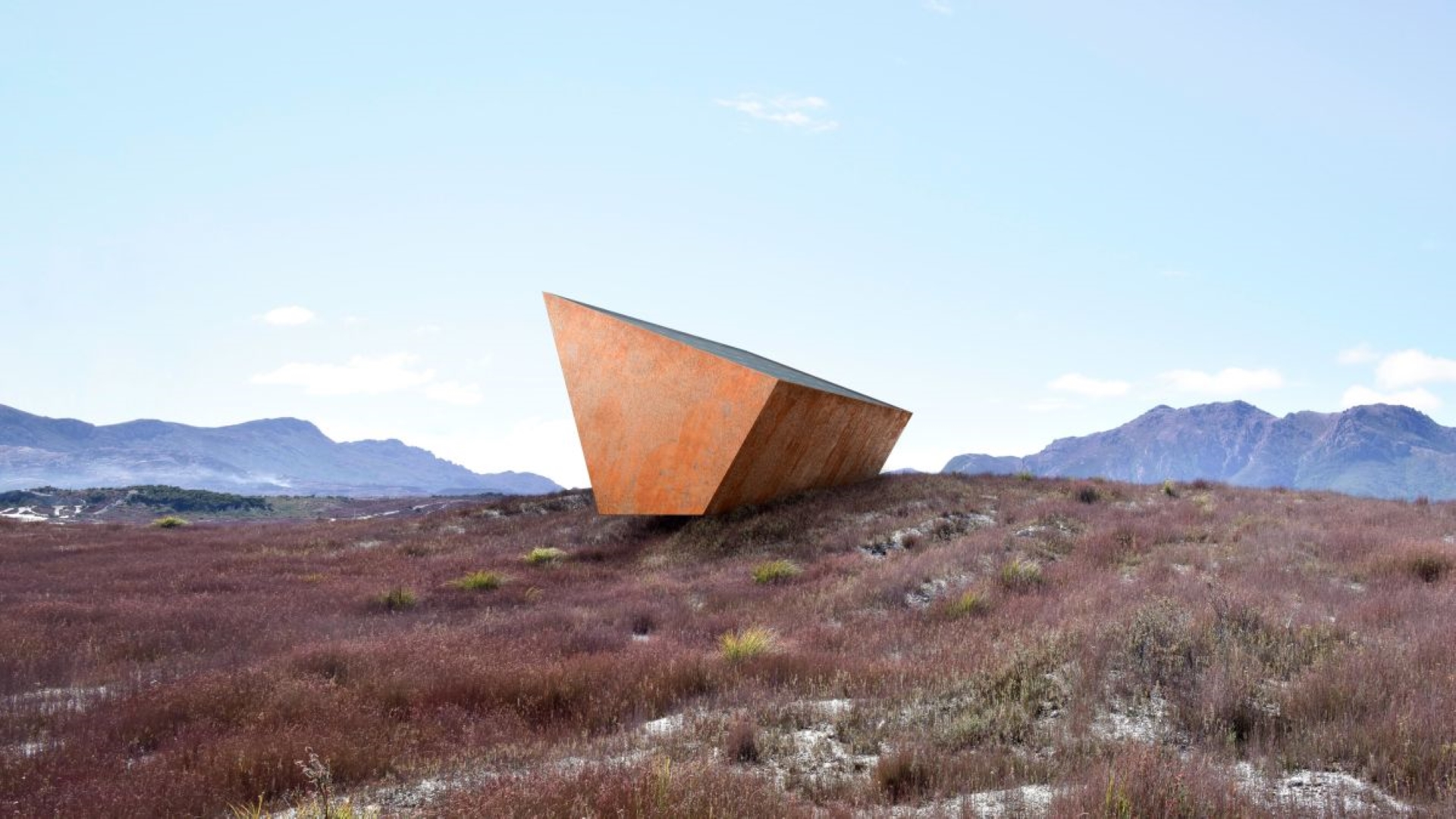
Located in Tasmania, the Black Box – similar to mechanisms found on planes – will outlive humankind and hold all the information we’ve gathered about climate change.
Getting real about climate change means accepting that a global failure to meet net zero goals could mean the end of our current civilisation – but that doesn’t mean there won’t be survivors or other intelligent beings inhabiting our world shortly after.
Failing to pass on what we’ve learned during our short time on Earth would feel like a waste, which is why one company is developing an indestructible ‘black box’ – like those found on airplanes – to help the planet’s next inhabitants get a head start.
It may sound creepy, but the truth is, we remain on track to reach 2.7C of warming before the end of this century. So what’s the harm in a little post-apocalyptic planning?
The 30-foot steel structure will be placed on a granite platform on the island of Tasmania, storing everything we know (and ignored) about how to live in harmony with the planet. While other locations like Norway, Malta, and Qatar were considered, Tasmania was chosen as a base for the black box due to its geopolitical and geological stability.
The Black Box will be equipped with rooftop solar panels to provide internet connection for downloading scientific data from online sources, even if all other energy supplies on earth are destroyed.
An algorithm will sort through digital information related to climate change, then store it within its mass of internal hard drives.
The construction of the steel housing is set to begin in early 2022, but the Black Box’s hard drives began recording data around the time COP26 was wrapping up. That’s right – they’re listening right now, gathering climate information from the past and continuing into the next 30-50 years.
Amongst the data of interest are measurements of land and sea temperatures, ocean acidification levels, atmospheric CO2, species extinction data, and land use data throughout history.
It will also store trending social media posts, newspaper headlines, other news related to climate change, and perhaps more vitally, information about COP meetings.
Accountability is key, so we’ve got to let future beings know where world leaders dropped the ball, eh?
The project is completely non-commercial and led by Clemenger BBDO, Australasia’s largest and most successful marketing communications company. The University of Tasmania and an artistic collective called the Glue Society are also involved in its design and development.
Created with functionality in mind, the 7.5cm thick steel is ‘built to outlive humanity’, with batteries inside to offer additional backup stores of energy.
Once the Black Box is fully constructed, the growing archive of climate data will be available to the public on an online platform. You can watch the data it’s downloading on the project’s website here.
Its creators hope that whoever stumbles upon it in the future is ‘someone or something that is intelligent and civilized, with the capability of understanding and interpreting basic symbolism.’
It’s worth adding that they’ll need to be equipped with a tool to break into the steel structure itself, mind.
The Black Box shares similar motivations to the ‘Doomsday Vault’ we featured here at Thred a few years ago. The vault, a massive seed bank, was installed to help feed future beings and to restart agriculture after environmental or man-made catastrophes.
No doubt, it’s ominous to imagine a planet we no longer exist on and to plan for that unfortunate, yet real possibility. But you must admit, it’s comforting to know that our climate legacy (the good and the bad) will not be forgotten – and with a bit of luck, not repeated.
Deputy Editor & Content Partnership ManagerLondon, UK
I’m Jessica (She/Her). I’m the Deputy Editor & Content Partnership Manager at Thred. Originally from the island of Bermuda, I specialise in writing about ocean health and marine conservation, but you can also find me delving into pop culture, health and wellness, plus sustainability in the beauty and fashion industries. Follow me on Twitter, LinkedIn and drop me some ideas/feedback via email.
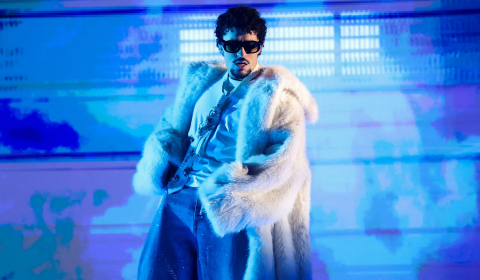
The NFL chose known Bad Bunny and Greenday to perform at the Superbowl, two artists who are vehemently outspoken against Trump. Facing immense backlash from right-wing conservatives, the NFL remains unbothered. It looks an awful lot like an active stance against the Trump administration.
On February 8th, Bad Bunny and Greenday will be gracing the stage at the NFL’s 60th Superbowl in Santa Clara, California.
Each year, over 100 million viewers...
From Meghan Markle comparisons to scathing ‘boy mum’ memes, why are we always so quick to assume that women are the problem?
I was on my way home from work when Brookyln Peltz-Beckham dropped a 700-word (yes, I checked) bomb of an Instagram story this week. Frantically refreshing my Wi-Fi connection at each tube stop, I was – along with the rest of the nation – caught in a cultural chokehold.
It’s no...
Jennifer Lawrence has consistently pushed back against the pressures of Hollywood and diet culture, yet it hasn’t been enough to stop the speculation and comments surrounding her body. Why are women put into different categories based solely on what they eat?
Jennifer Lawrence first starred in the Hunger Games film franchise back in 2012, playing the role of Katniss Everdeen, a poor, starving teenager living in a dystopian society.
Last...
The show is beloved nationwide, and has since spread overseas. But the experiences of Black contestants consistently mirror everyday life.
Are you affronted by the suggestion that The Traitors – arguably Britain’s most beloved TV show – has an unconscious bias problem? If yes, you’re probably ignorant to the ways in which racial bias constantly shapes society. By which I mean, you’re probably white.
You may think this claim ‘too woke’, or ‘overblown’....
We use cookies to ensure that we give you the best experience on our website. If you continue to use this site we will assume that you are happy with it.
































 0 comments