





























 0 comments
we did it, chat

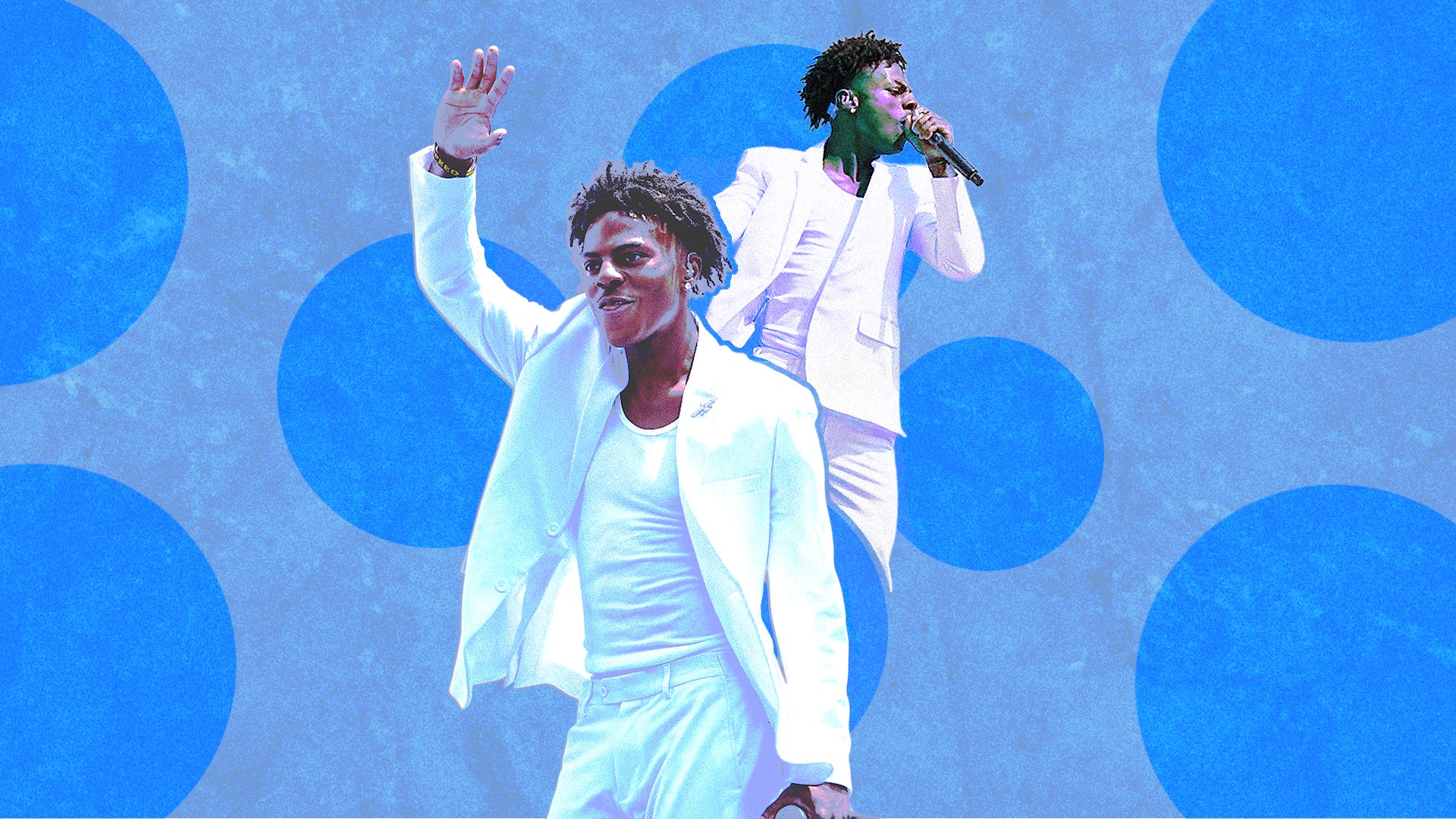
Gen Z streaming star IShowSpeed performed at this year’s World Cup final, marking a major shift in mainstream media; online creators have become so influential that they’re impossible to ignore, especially if legacy institutions wish to attract a younger audience.
Well, the World Cup has been and gone.
There was heartbreak (for us England fans, the pain of that Argentinian loss can’t be overstated) and elation in equal measure, alongside controversial accusations of favouritism from a defeated Egypt halfway through the knockout stages. In the UK, the final amassed 15 million viewers, with England’s late-night Mexico game earlier in the tournament breaking audience records.
The competition took place across Canada, Mexico, and the US, and introduced several new elements to the game, including ‘hydration breaks’ and a World Cup Final half-time show. Popular streamer IShowSpeed performed as part of the final’s closing ceremony, singing his own World Cup track, complete with backflips and his usual high-energy dancing. His inclusion in FIFA’s entertainment lineup, which also featured Shakira, Justin Bieber, BTS, and Coldplay, suggests that mainstream institutions have begun to embrace and respect social media creators as mainstay figures, rather than marketing add-ons.
Besides his performance at the World Cup Final, IShowSpeed (also known simply as ‘Speed’) was heavily involved in various other aspects of the tournament this year.
He streamed matches on his YouTube channel, securing broadcast rights with FIFA and Fox Sport. This allowed him to promote the competition while also showcasing his reactions to various moments throughout the games. Naturally, these were then clipped to Instagram and TikTok, where viral memes helped boost the World Cup’s visibility with Gen Z audiences. It was, in its own way, a slight variant on the usual stealth marketing tactics that are adopted by tons of agencies these days.
As part of this deal, Speed also fronted the ‘YouTube FIFA Creator Cup,’ an exhibition football match between online creators and retired professionals in New York’s Central Park. This campaign was to market and promote the World Cup to Gen Z audiences, meeting them online rather than through traditional television. Naturally, Speed streamed the entire ordeal on his channel, chatting to other influencers while at the event. His stream racked up nearly 4 million views, while his stream of the Argentina and Spain final has over 56 million views.
FIFA’s eagerness to collaborate with Speed and other online creators demonstrates a shift by mainstream, legacy institutions compared to even four years ago.
YouTubers and online creators have ordinarily remained on the fringes of competitions like the World Cup, usually only being involved at a lesser scale compared to traditional pundits or celebrities. This time around, FIFA fully acknowledged the mass audience that creators like Speed harness, moulding their own strategy to fit the needs of Gen Z viewers, rather than the other way round. Speed’s closing ceremony performance is an acknowledgement of his status within media, and validates streaming as an important sector that sits comfortably alongside legacy television coverage. As WIRED puts it, ‘IShowSpeed is Gen Z’s ESPN.’
All of that might be true, but why is Speed’s content so effective with young people?
His streams are long, unfiltered, chaotic, and authentic, all aspects of modern content that resonate with Gen Z compared to the curated and often stifled approach adopted by television outlets. Speed provides humour, genuine reactions to goals or losses, and can give a unique perspective on the atmosphere of the crowds at each game. There’s a sense of participatory viewership via a stream that the BBC or Fox simply can’t replicate.
Community and shared experiences drive Speed’s content style. Over the past year, he has been broadcasting from different countries in a series called ‘irl stream,’ which showcases cultures and countries outside of just the US. It has been a major hit and has become synonymous with his brand, helping him to boost his status beyond the internet and into genuine, mainstream lanes. His success should serve as a blueprint for other creators, and is evidence to suggest that content creation is slowly but surely becoming a very respected and solidified pillar of modern entertainment.
Anyone can start from their bedroom and wind up in the World Cup Final within five years. That’s the main message here, and it’ll no doubt inspire Gen Z and Gen Alpha creators to aim as high as they possibly can.
See also:
- Gen Z worries about misinformation on social media. Why can’t they leave?
- Wimbledon bets on influencers to reach Gen Z
- How a fragmented internet is reshaping Gen marketing






