






 0 comments
For a long period, hierarchy and tradition has been foundational to politics. Now, a new generation has come to change the rules about what it means to be a leader; they’re younger, connected and, pressing the boundaries of the norm.
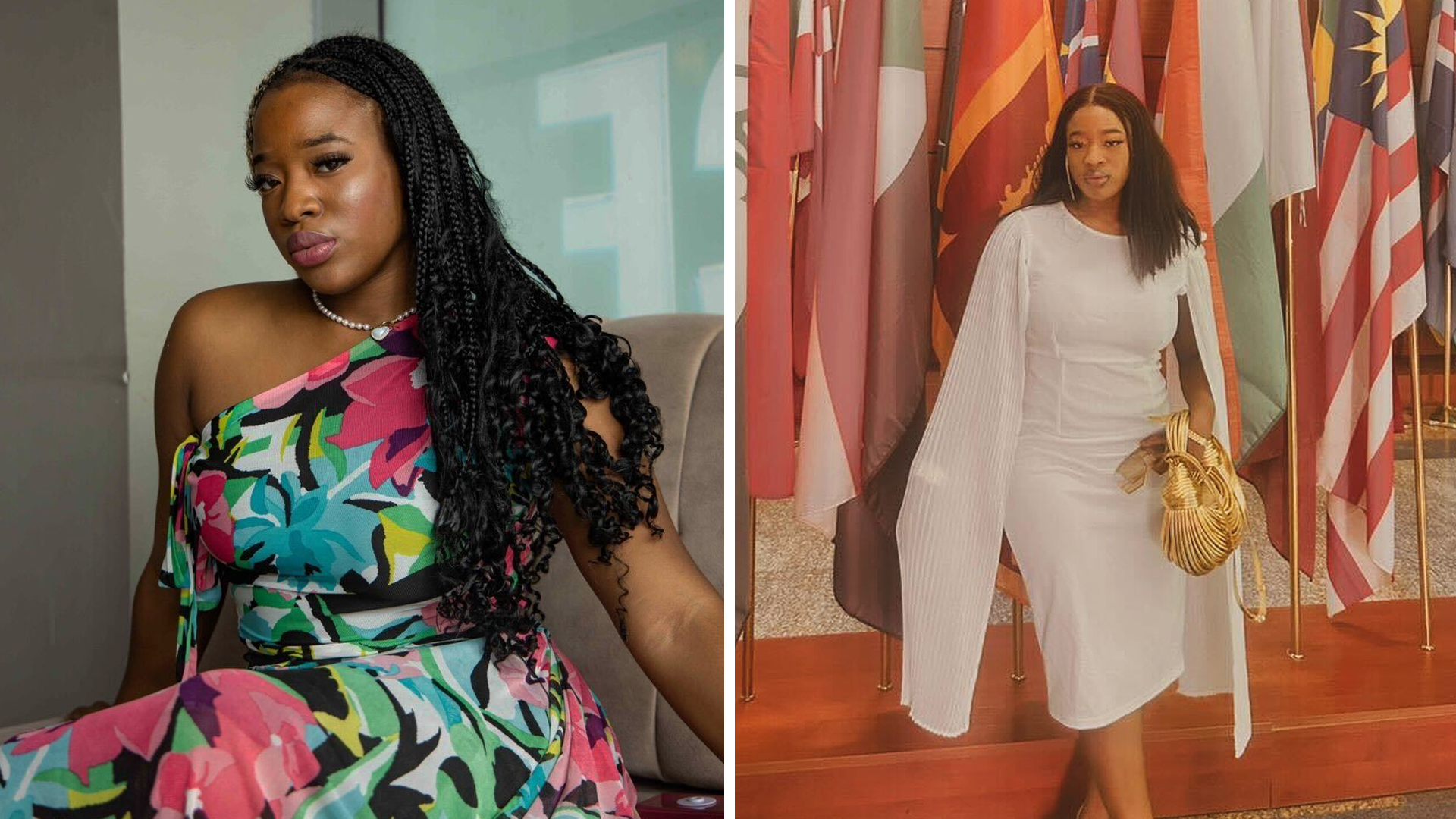
Esther Akpovi, newly inducted as Deputy Speaker of the FCT-Abuja Youth Parliament (2025–2027), is leading this change. With a life story that bridges Europe and Africa, she is presenting a vision of governance that is distinctly Gen Z; Innovation-focused, inclusive and engaging, yet very human.
‘I’ve always had passion creating opportunities for young people. Growing up in England as a Nigerian, I saw how much more could be done for overlooked youths and those who are often regionally marginalized. I wanted to be the voice I needed,’ said Akpovi.
Akpovi’s journey in governance began at the age of 15, as a Structured Dialogues Officer at the British Youth Council. In that role, she designed and delivered youth engagement on youth policy with the UK government and, before she reached 20, had already chaired the Nottinghamshire Youth Cabinet, the UK’s one of largest youth mobilization platform, during which she chaired engagement on racial justice, mental health, and digital inclusion at the pandemic.
Akpovi’s work didn’t stop there, her influence rose to working on a £250 million investment strategy on urban development, co-authoring an international communiqué on gender equity at G(irls)20, and even interviewing Martin Luther King III at Nottingham We Day (2019) with BBC Nottingham.
These experiences solidified her belief that young people could not only protest for change, they could in fact govern it.
‘Young people can drive real change. It’s about turning activism into sustainable governance outcomes.’
The FCT-Abuja Youth Parliament brings together representatives from AMAC, Bwari, Abaji, Gwagwalada, Kuje, and Kwali, each committed to reflecting the diversity of Nigeria’s youth.
Under Akpovi’s leadership, inclusivity is policy. Currently, women hold 38.1% of representative seats, 51.5% of committee leadership roles, and make up nearly 46% of the entire parliament. It’s a model that many national parliaments could learn from.