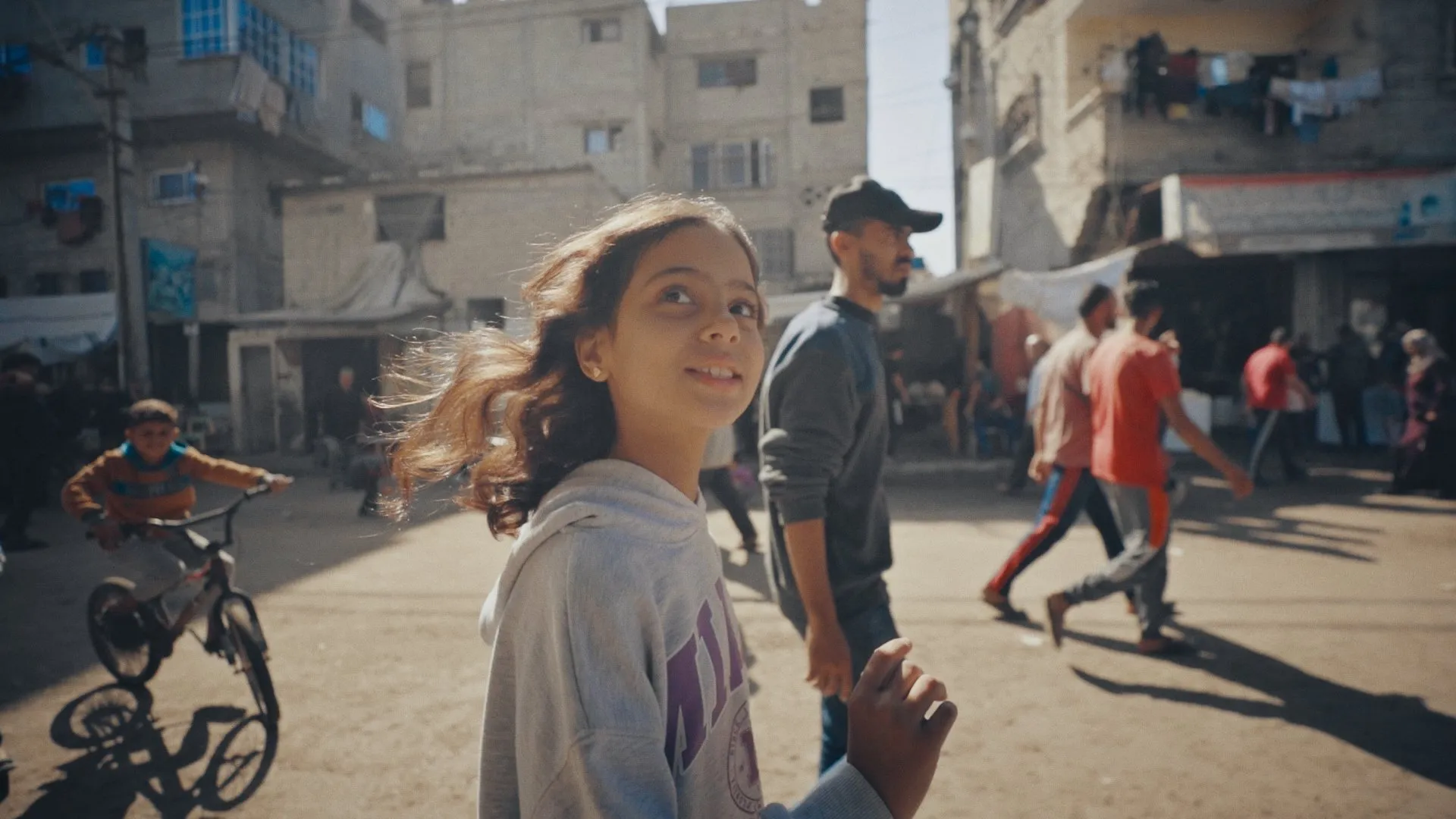
The British broadcaster has pulled its documentary on life in Gaza after reports it had featured a child whose father was Hamas minister. Until these claims are verified, officials from the BBC say the documentary will stay off the air.
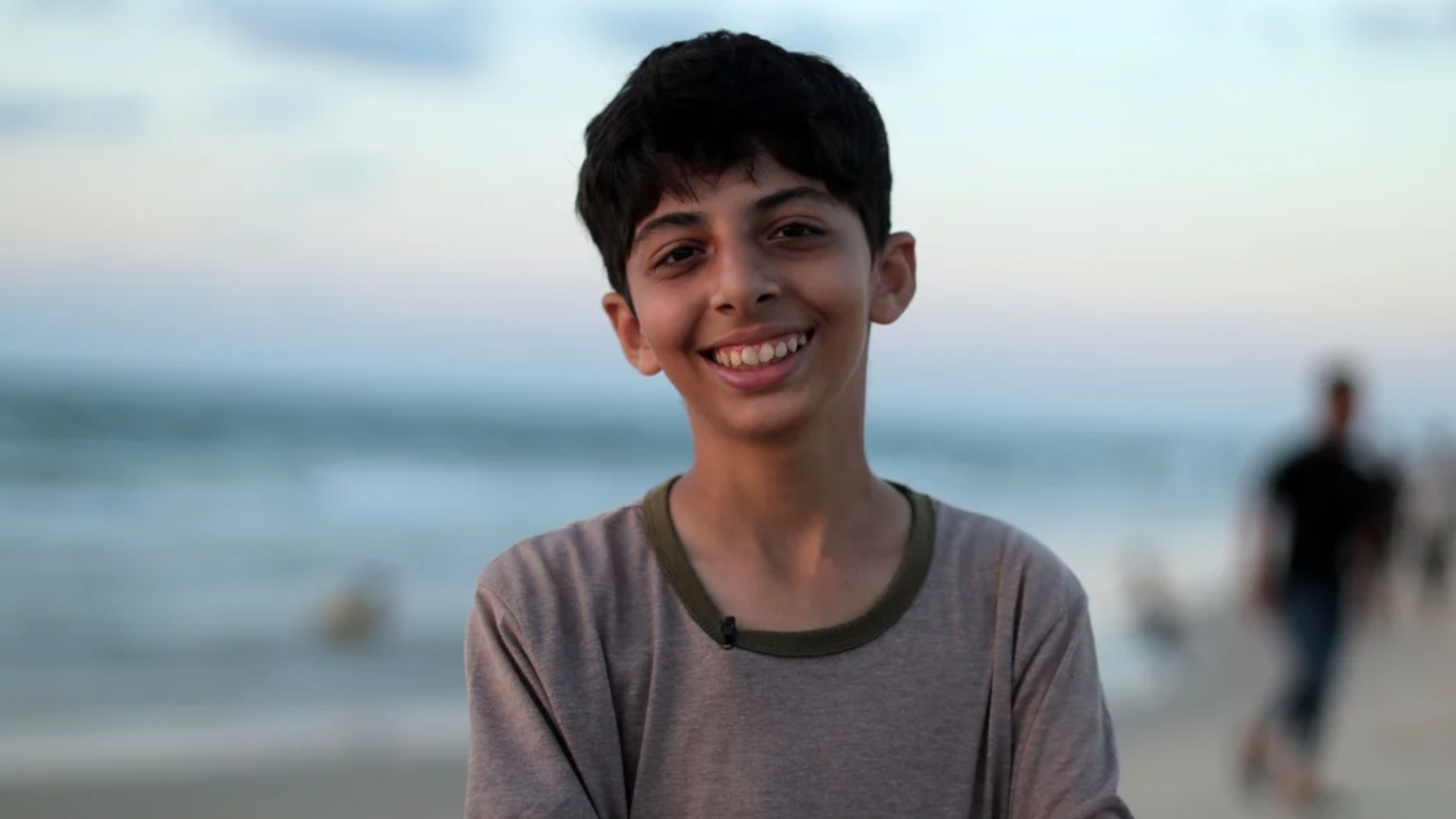
A documentary featuring children’s perspective on Israel’s war in Gaza was pulled from BBC iPlayer in light of swirling accusations that the film’s narrator is the son of Hamas’ minister of agriculture, Ayman al-Yazouri.
Initial statements from the BBC suggested that the film, titled Gaza: How to Survive a Warzonewould be made available to watch again once it had completed a ‘due diligence exercise’. This has led many to believe that its filmmakers had not informed the broadcaster of this detail.
When intel about the film’s child narrator was made public knowledge by activist and journalist David Collier, the BBC had said it would “add detail” to the documentary in order for it to remain on their platform.
However, mounting pressures from Collier and other organisations forced the broadcaster to take it down entirely.
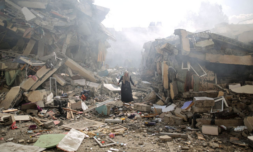
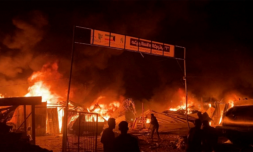
The film takes place across nine months of Israel’s war in Gaza, leading up to the ceasefire which was instated last month. It features three children as its main characters, as well as medical workers and a woman who had recently given birth while living in a refugee camp.
In anapology statementreleased in the last 24 hours, the BBC has said it has ‘no plans to broadcast the programme again in its current form or return it to iPlayer’.
The documentary was immediately praised for offering a unique ‘child’s-eye-view’ of what it is like to live day-today in a war zone, in which many expressed their lack of support and contempt for Hamas.
Described as ‘harrowing’ and ‘sobering,’ filming through the eyes of children makes total sense, considering that children make up around half of Gaza’s 2.1 million population.
The film was created by an independent company, Hoyo films, and was produced by two BBC employees, Jamie Roberts and Yousef Hammash, who is Palestinian. The pair said they did not originally intend to feature children as the main stars of the film, but that this became an obvious choice when footage began being collected.
Critics are questioning whether the BBC had unknowingly paid members of Hamas to participate in the documentary, which aired for the first time on the 17th of February.
Learning that the documentary had been pulled from the BBC iPlayer, the International Centre of Justice for Palestinians has urged the broadcaster to ‘stand firm against these attempts to prevent first-hand accounts of life in Gaza from reaching audiences’.
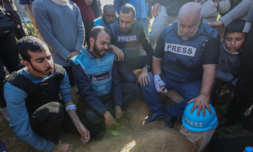
Official documentation of the war, especially from within Gaza, has been left up to journalists in the Gaza Strip and citizens using their smartphone cameras, as Israel banned most news broadcasters from operating within the strip over a year ago.
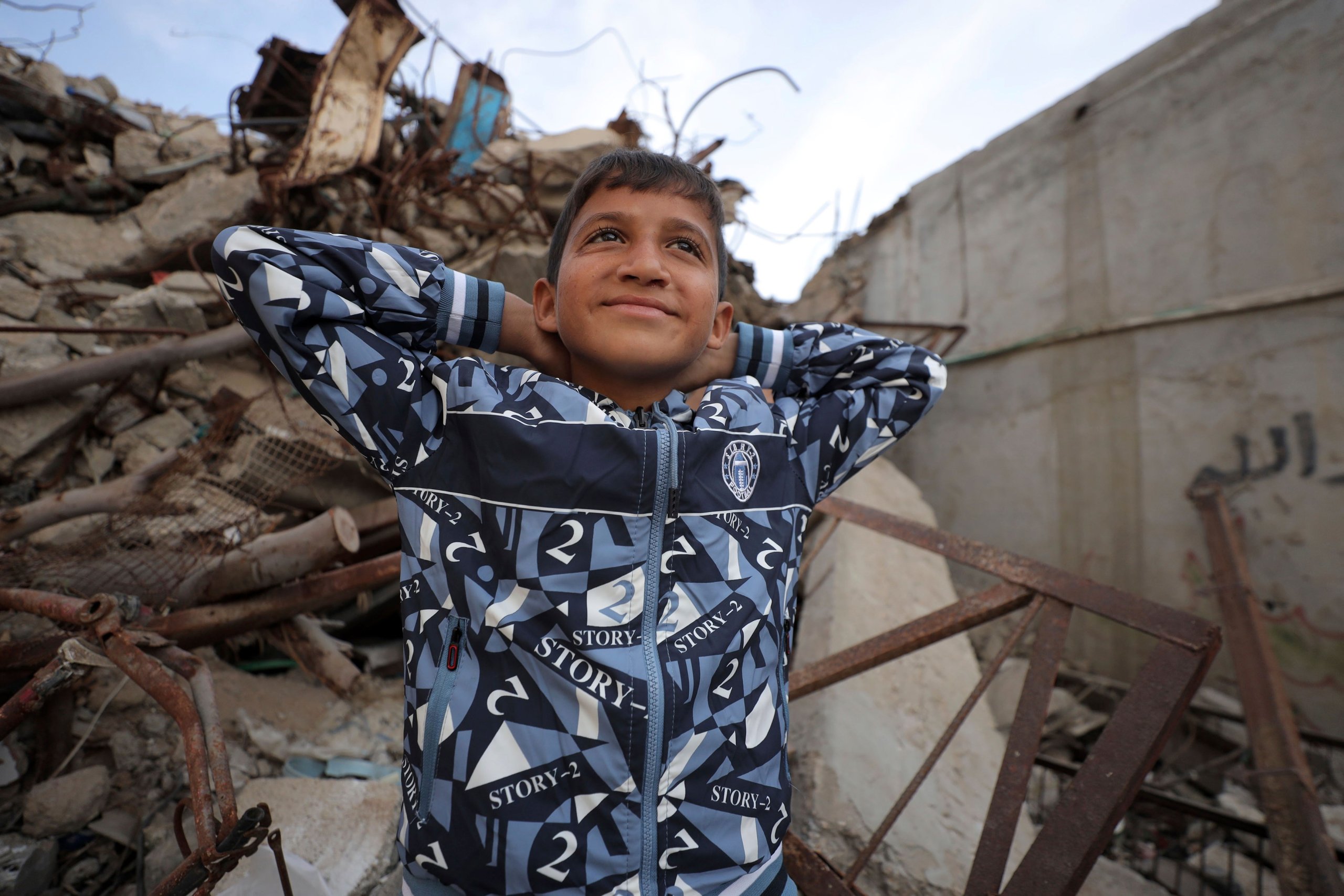
Zakaria, an 11-year-old aspiring medic is featured in the film
In a statement, the International Centre of Justice for Palestinians wrote, ‘For some, almost any Palestinian perspective appears to be deemed unacceptable.
‘In this case, objections have been raised because Abdullah’s father holds a government role in Gaza’s Hamas-run administration. However, this does not negate the child’s lived experience or invalidate his testimony.’
A further 500 media figures, including the BBC’s highest-paid star Gary Lineker, Ruth Negga, Juliet Stevenson and Miriam Margolyes, have echoed this statement, calling the documentary ‘an essential piece of journalism’ that offers ‘an all-too-rare perspective on the lived experiences of Palestinians’.
The Guardian has reported that a letter sent to BBC executives Samir Shah, Tim Davie and Charlotte Moore labelled criticism of the documentary as rooted in ‘racist assumptions and weaponisation of identity.’
The letter went further, stating that Hamas’ agriculture minister and father of the teenage narrator is a civil servant concerned with food production, and that ‘broad-brush rhetoric assumes that Palestinians holding administrative roles are inherently complicit in violence – a racist trope that denies individuals their humanity and right to share their lived experiences’.
Renad, a 10-year-old Palestinian chef featured in the documentary
The Guardian has revealed other signatories of the letter.
They include: ‘the actor Khalid Abdalla, the Bridgerton star India Amarteifio, the novelist Max Porter, the director Ken Loach, the photographer Misan Harriman, the comedian Jen Brister, the presenter Ayo Akinwolere and the writer and actor Asim Chaudhry.’
Having seen the film myself, I’d agree that the film offers not only a devastating insight into what it’s like to grow up in Gaza, but also a humbling glimpse at the positivity and resilience of Palestinian people in the face of, often gruesome, adversity.
Like the 500 media figures who signed the letter to the BBC, I hope the broadcaster can iron out these accusations and make the film easily accessible on its platform once again.
Deputy Editor & Content Partnership ManagerLondon, UK
I’m Jessica (She/Her). I’m the Deputy Editor & Content Partnership Manager at Thred. Originally from the island of Bermuda, I specialise in writing about ocean health and marine conservation, but you can also find me delving into pop culture, health and wellness, plus sustainability in the beauty and fashion industries. Follow me on Twitter, LinkedIn and drop me some ideas/feedback via email.
The new judge is dismantling diet culture with big bites and no nonsense. We need more of this on TV, now more than ever.
I’ve always loved Nigella Lawson. I’m a fellow foodie, I’m a writer – which means I’ve devoured her written recipes as fervently as the dishes themselves – and I’m also a woman. Nigella has always represented the essence of womanhood in my eyes. She’s confident and unapologetic...
Gen Z subscribes to everything from music and films to software and storage, paying endlessly for things we never actually own. As ownership is increasingly replaced by access, are subscriptions making life more convenient - or creating a generation that pays forever and owns nothing?
There was once a revolutionary economic model called buying something.
You handed over money, gold, or whatever the currency was. Someone gave you the purchased item....
Recruiters are debating on TikTok whether it’s okay to bring iced coffee into a job interview, highlighting discrepancies in professional standards between different generations and industries.
Would you bring iced coffee into a job interview?
A debate has been underway on social media this week as Gen Zers and older professionals consider whether it’s ‘inappropriate’ or an unnecessary restriction that makes new, potential employees uneasy.
It began when TikToker @caitlinrecruiter uploaded...
From Substack to explainer TikToks, everyone’s craving thought-provoking content. But is our hankering for brain food a reaction to AI or evidence of a deeper desire for fulfillment in the modern age?
What is a ‘thinkfluencer’? Consider them the talking head in your pocket: a bastion of knowledge on often niche topics, sharing facts and figures with the help of a teeny tiny handheld mic. These types of influencers have...
We use cookies to ensure that we give you the best experience on our website. If you continue to use this site we will assume that you are happy with it.






























 0 comments