In light of stagnated UK economic growth, the Labour government has announced a new plan to allow restaurants, pubs, and night clubs to stay open later.
The UK’s Labour government has announced a new plan to allow businesses in England and Wales to stay open later with the aim of ‘boosting the British night out’ and revitalising the nation’s hospitality sector.
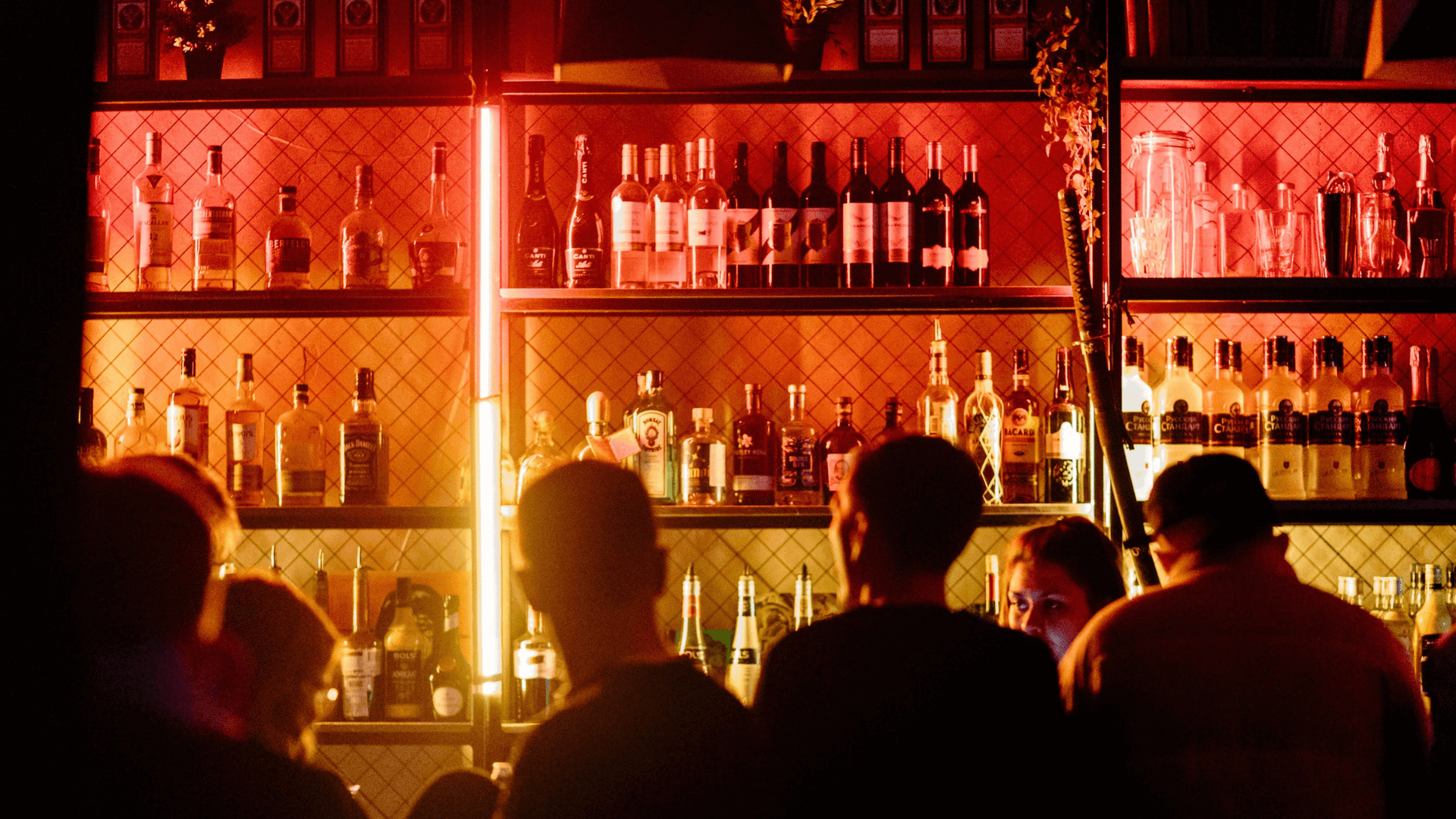
If passed, the new proposal will allow pubs, clubs and restaurants to welcome customers into the late hours of the night (potentially much later), as part of a major rewrite to the country’s licensing laws.
The hope is that late-night spending on food, drinks, and entertainment among Brits will spur economic growth, create thousands of new jobs, and help city centres achieve pre-pandemic era business levels.
‘This is about giving businesses flexibility and helping local economies thrive,’ a government spokesperson said. ‘We want a system that both protects communities and lets venues adapt to changing consumer trends.’
Supporters of the new plan say it’s one that’s long overdue.
Kate Nicholls, the chief executive of UK Hospitality, said that a modernised licensing system will help venues cater to shifting lifestyle habits among younger people, who – as we’ve discussed many times here at Thred – are willing to head out to events later if they’re offering unique and memorable experiences.
Not to mention, the potential change is music to the ears of business owners in the country.
Head of Green King, one of England’s most famous pub chains, Nick Mackenzie said that rules around opening hours in the UK ‘inhibit economic growth’ and prevent establishments from being able to respond to existing customer demand.
Later opening hours could potentially help business owners to make up for funds lost over the last few years. The hospitality sector took a huge hit during the COVID, with numerous months of lost income during lockdowns only compounded by rising rent and energy bills.
It’s true that prolonged closures during the pandemic and high running costs have caused thousands of pubs in Britain to go under. At the end of 2024, the number of pubs in the UK dropped to record lows with less than 39,000 remaining and 34 closures occurring per month. Given how many people love a little trip to their local, this is shocking. Good pubs are basically an endangered species these days.
London Mayor Sadiq Khan has been a long-time believer in the capital’s ‘24-hour economy,’ and has been granted new powers to override local licensing decisions if he believes a venue’s late hours could attract tourists or boost the city’s nightlife appeal.
The new rules could present a much-needed lifeline for the hospitality industry and the overall economy, with experts saying a revitalised nightlife scene could generate billions if given the go ahead.
To be truly successful though, restaurants, pubs, and clubs need to consider that they’ll be serving Gen Z – a new customer base with different drinking habits.
It goes without saying that not everyone is happy with the idea of pubs and bars staying open later.
Some critics warn that while the plan might achieve some economic growth, it will enable further dangerous drinking culture while promoting the alcohol industry.
Health experts and local councils fear that longer opening hours will mean more late-night violence, pressure on emergency services, and less power for local residents to object to late-night events and noisy venues.
Dr. Katherine Severi, chief executive of the Institute of Alcohol Studies, called it ‘a charter for chaos,’ warning that it will create a free-for-all in the availability of alcohol.
Considering that alcohol licensing measures are in place to protect citizens, many believe loosening them will be a dangerous move when alcohol deaths currently sit at record highs.
Dr. Richard Piper, head of Alcohol Change UK, said the reforms were developed ‘without adequate input’ from police and ambulance workers who are on the front line when incidents occur. Piper worries that selling alcohol even later will mean ‘more victims of crime, more domestic violence, and more strain on police and A&E staff.’
To those who love a late night sesh, the ‘British night out’ including numerous pints, a cheeky kebab, and a long bus ride home is a cultural tradition worth protecting. But to the more reserved, late night drinking followed by an occasional bout of debauchery is a problem the government should be looking to get under control.
Whether late-night dives are enough to pull Gen Z in remains to be seen. It’s true that many young people are drinking far less than their parents did, but when third places are hard to come by, perhaps the pub will start look more alluring.
If it does, there will need to be diversified menus and improved public services to match. That includes fair prices, no-to-low alcohol options, widespread public transport after midnight, affordable prices inside venues, and stronger safety measures, especially for women walking home alone at night.
The government’s vision of pints being pulled later into the night to boost the economy might sound like a good one at face value (even if it’s a longshot)… but only time will tell it’s worth the hangover.
Deputy Editor & Content Partnership ManagerLondon, UK
I’m Jessica (She/Her). I’m the Deputy Editor & Content Partnership Manager at Thred. Originally from the island of Bermuda, I specialise in writing about ocean health and marine conservation, but you can also find me delving into pop culture, health and wellness, plus sustainability in the beauty and fashion industries. Follow me on Twitter, LinkedIn and drop me some ideas/feedback via email.
Gen Z subscribes to everything from music and films to software and storage, paying endlessly for things we never actually own. As ownership is increasingly replaced by access, are subscriptions making life more convenient - or creating a generation that pays forever and owns nothing?
There was once a revolutionary economic model called buying something.
You handed over money, gold, or whatever the currency was. Someone gave you the purchased item....
Recruiters are debating on TikTok whether it’s okay to bring iced coffee into a job interview, highlighting discrepancies in professional standards between different generations and industries.
Would you bring iced coffee into a job interview?
A debate has been underway on social media this week as Gen Zers and older professionals consider whether it’s ‘inappropriate’ or an unnecessary restriction that makes new, potential employees uneasy.
It began when TikToker @caitlinrecruiter uploaded...
From Substack to explainer TikToks, everyone’s craving thought-provoking content. But is our hankering for brain food a reaction to AI or evidence of a deeper desire for fulfillment in the modern age?
What is a ‘thinkfluencer’? Consider them the talking head in your pocket: a bastion of knowledge on often niche topics, sharing facts and figures with the help of a teeny tiny handheld mic. These types of influencers have...
Rapper and musician Macklemore has been removed from Ed Sheeran’s ‘The Loop’ tour after making comments on stage regarding Palestine. He took to Instagram to explain and defend his position, arguing that ‘there is no neutral position between the oppressor and the oppressed.’
Macklemore has reportedly been dropped from Ed Sheeran’s ‘The Loop’ tour following his comments on Palestine during a recent performance.
https://www.youtube.com/watch?v=UmSErSKL874
He had been the opening act for the...
We use cookies to ensure that we give you the best experience on our website. If you continue to use this site we will assume that you are happy with it.






























 0 comments