






 0 comments
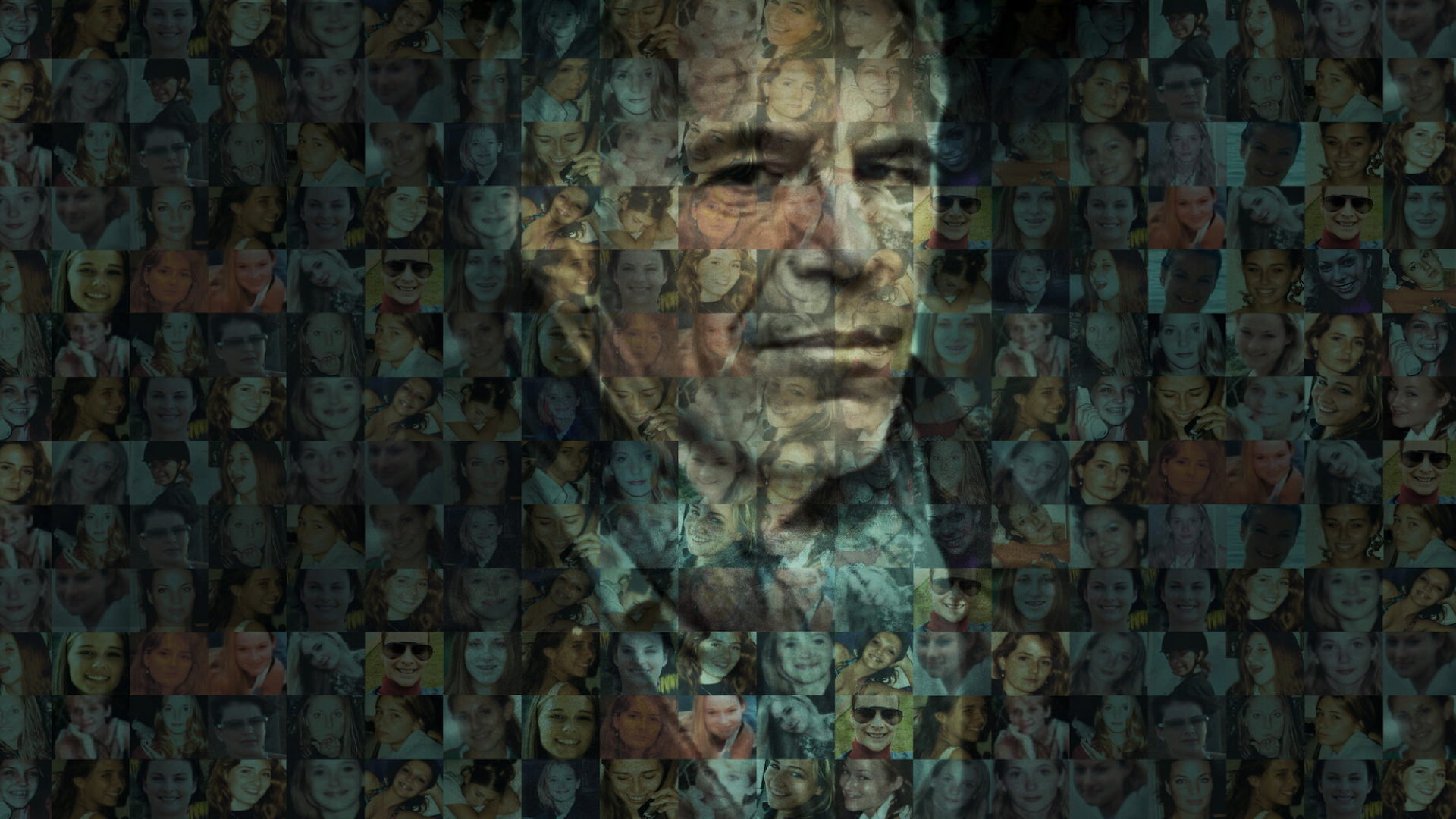
Coverage has fixated on big names and sordid details, but the focus should remain on Epstein’s victims.
If you’re an internet user you’ve probably scanned at least one headline pertaining to Jeffrey Epstein in the past week. The child sex offender is back in the news due to newly revealed details around his crimes, and mounting pressure to release the infamous ‘Epstein files’ – a hypothesised document containing the names of high-profile clients to whom Epstein trafficked young girls.
The flurry of interest in Epstein’s circle has also kicked up a notch following the publication of the late Virginia Guiffre’s memoir Nobody’s Girl, the most high-profile of Epstein’s victims and a long-time advocate for survivors of sexual abuse. Guiffre’s book also triggered Andrew Mountbatten-Windsor’s ousting from Buckingham Palace last month and the removal of his royal titles shortly thereafter.
But despite Guiffre’s raw and vulnerable telling, this royal reshuffling and the subsequent fixation on who Epstein’s clients might have been has overshadowed – once again – the voices of those he abused. Only this time it isn’t the man himself doing the silencing but the mainstream media.
This week a flurry of emails were leaked detailing Andrew’s involvement with Epstein along with allusion to President Trump’s association with the financier and his girlfriend Ghislaine Maxwell – who’s currently serving a prison sentence for her central involvement in Epstein’s trafficking ring. These emails have drawn a string of high-profile names to the surface of the story, from Michael Wolff to Peter Thiel and Larry Summers.
‘There are other names you might not be seeing at all,’ writes Jennifer Weiner for The New York Times. ‘Courtney Wild, Rachel Benavidez, Michelle Licata, Maria Farmer, Annier Farmer, Liz Stein, Jess Michaels, Marina Lacerda, Danielle Benksy, Anouska De Georgiou, Shawna Rivera.’ These are just some of Epstein’s many victims, scores of whom have come forward and accused Epstein of sexually abusing them.
The media coverage of Epstein and his crimes has become a who’s who of powerful men, essays sparing no detail about their social circles, careers and illustrious lifestyles. And the public is lapping it up. In our rush to demonise these purported villains we are extending their oppressive arm and leaving victims in the dark – disarming their capacity to speak their truth.
While the world has always been quick to spectacle over substance, particularly where high-profile crime is concerned, the disregard for Epstein’s victims comes even after they’ve displayed immense coverage in speaking out. ‘They’ve appeared in documentaries and podcasts. Ms. Giuffre’s memoir is currently on best-seller lists,’ says Weiner.
Amid the hysteria surrounding the release of the Epstein files, a public service announcement by these women slipped largely under the radar. It urges viewers to ask their Congressional representatives for a ‘yes’ vote on the Epstein Files Transparency Act Bill, which President Trump is expected to act on shortly.
This PSA is one example of the ways we can enact meaningful, substantial change for those whose lives were torn apart by Epstein. But instead we are watching the spats and downfalls of the world’s most powerful with popcorn in hand.