Why is the project faltering?
As plans were set in motion, concerns from those involved were raised over soaring costs, repeated delays, and the strain many of the Neom projects were placing on public finances.
Speaking at an investment forum in Riyadh in November, one Saudi official acknowledged that the kingdom had ‘spent too much’ and rushed ‘at 100 miles an hour’ to force The Line forward.
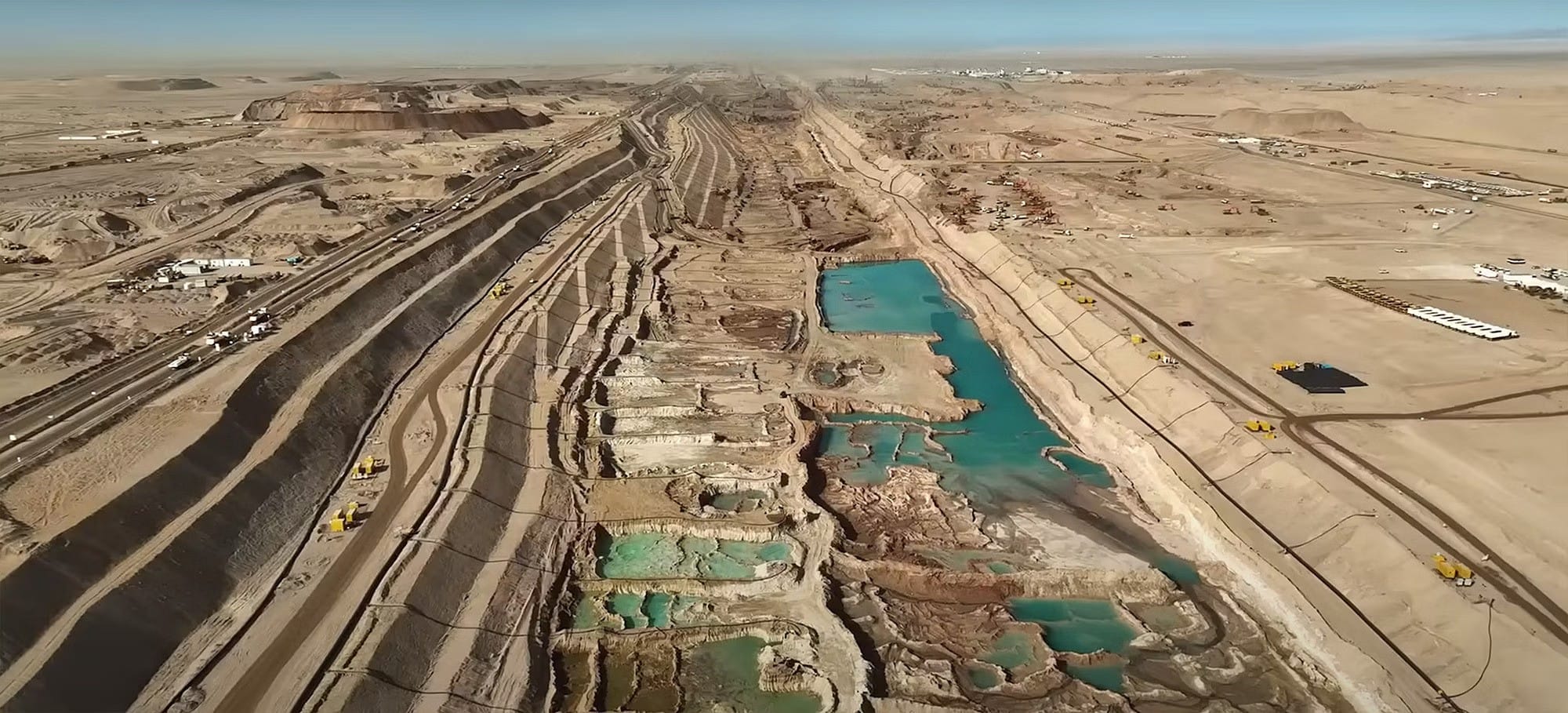
Construction on The Line was paused late last year as the government looked to find a less ambitious and less expensive path forward.
Ultimately, the project’s scale became its biggest problem. According to estimates cited by the Financial Times, around $50 billion (10 percent of project’s total budget) had already been spent without the project coming to life.
The original timeline (and budget) quickly proved to be unrealistic. Expansive public spending combined with the volatility of oil prices have forced the government to rethink its priorities.
This is a blow for Crown Prince Mohammed bin Salman’s ‘Saudi Vision 2030’ which set out an economic roadmap to reduce Saudi Arabia’s reliance on oil as its main moneymaker. Once completed, the city of Neom would help to reposition the country as a global hub for tourism, tech, and finance.
Only one part of the Neom project has opened so far. Sindalah, a luxury yachting resort in the Red Sea held a grand opening in October 2024, three years behind schedule and at roughly three times its original budget.
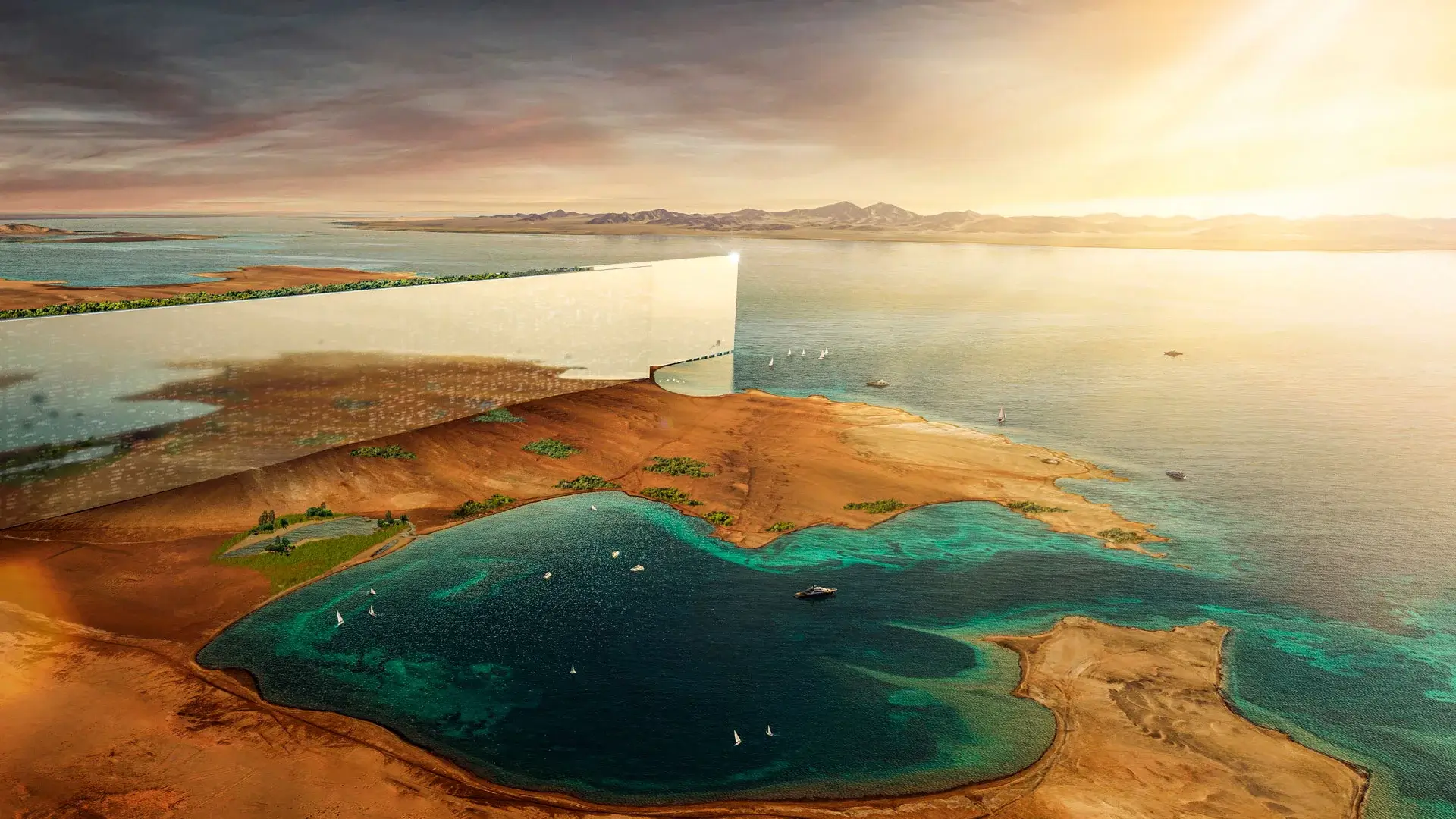
And The Line, now in jeopardy, was the project’s most audacious symbol of Saudi Arabia’s new future.
Reports suggest that officials are now discussing a ‘far smaller’ version of Neom, with uncertainty over whether a more conservative version of The Line will even be included in the final draft.

The question of sustainability
From the outset, The Line was marketed as an environmentally-conscious project, powered completely by renewable energy and preserving 95 percent of surrounding land for nature.
But urban planners and anyone with a semblance of environmental understanding were skeptical whether a megastructure of such immense size could ever deliver on its sustainability claims.
Even the materials required to construct the Line (mainly steel, concrete, and glass) carry heavy environmental costs in and of themselves. Not to mention, the engineering challenges of building a megacity in the desert are huge.
And so, a complete reorientation of the project is being considered. According to The Times, Prince Mohammed may reposition Neom as a hub for tech data centres, fulfilling the kingdom’s ambitions to become a leader in artificial intelligence.
The unraveling of Neom doesn’t mean Saudi Arabia’s plans to diversify its economy are in shambles, but it’s becoming obvious that even obscene amounts of oil money can’t engineer a city that sounds more suited to science fiction.
Or dystopian fiction, depending on your view.
































 0 comments