






 0 comments
And as the inaugural nominations are announced, liberals are winning.
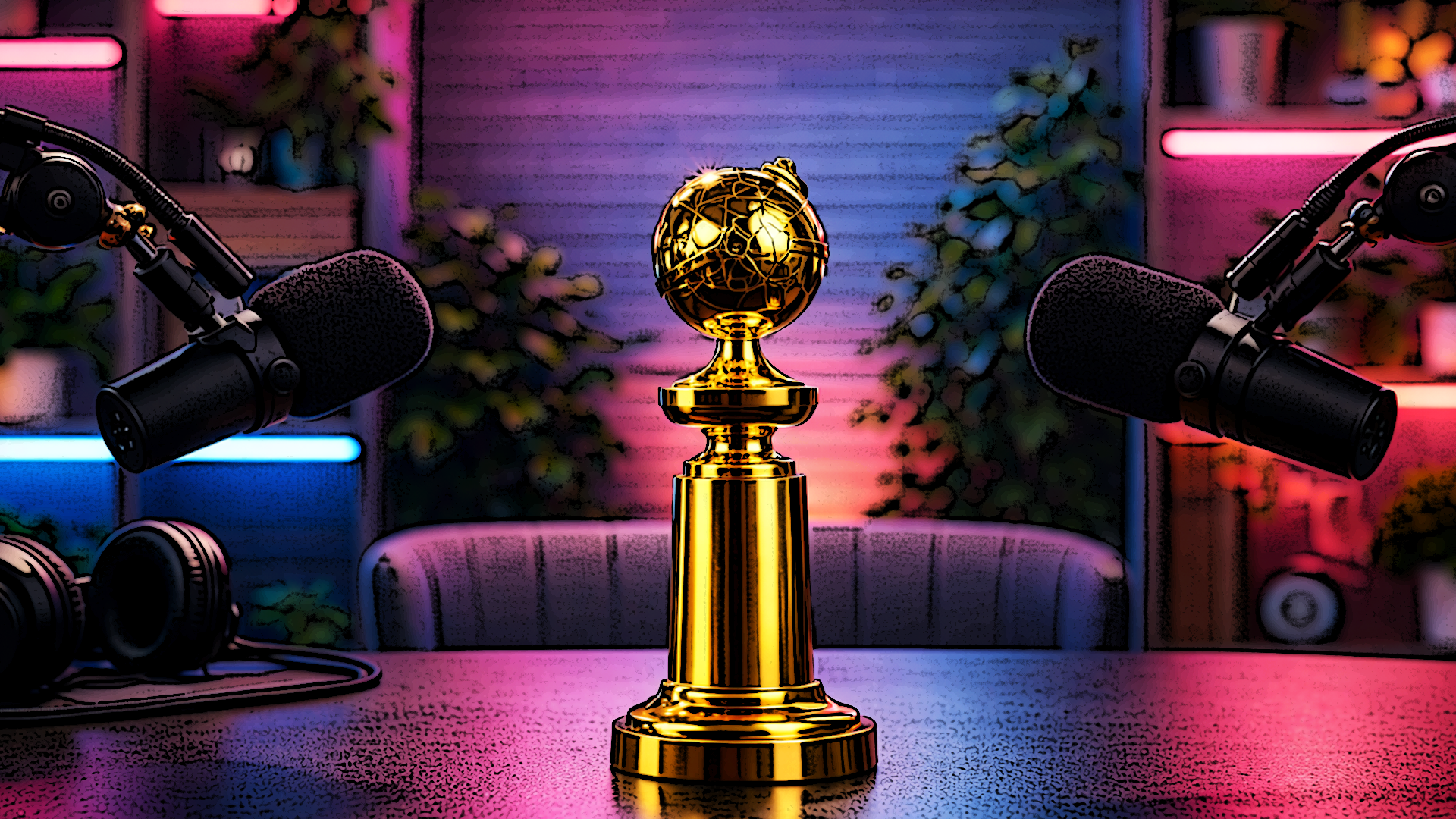
I can’t say I was surprised when the Golden Globes announced the addition of podcasts to their awards roster. This year, my Spotify wrapped was comprised largely of podcasts (apparently I spent thousands of hours listening to the dulcet tones of The Rest is Politics) and I’m not alone in my love for long-form listening.
According to The Economist, more young people are tuning into their favourite podcasts than they are to broadcast television, and more millennials say they would prefer to meet their favourite podcast host than a beloved film or TV star.
So Hollywood has listened – and now podcasts will be eligible for Golden Globe wins for the first time. The new category churned up a fair bit of controversy when it was first announced in May, and the mixed reaction has only festered now the inaugural nominations have been revealed. Liberal podcasts are on top, with big hitters including Joe Rogan’s eponymous show notably snubbed.
Leading the pack are Good Hang with Amy Poehler; The Mel Robbins Podcast, and Call Her Daddy among others. It wasn’t entirely clear how exactly these nominees were chosen – the Golden Globes initially said ‘the top 25 podcasts’ would be eligible for consideration. But it turns out this list was determined by the #1 global audio data analytics firm Limunate, which measured success based on download, revenue and chart placement stats.
Low and behold, conservative podcast stars and their fans aren’t best pleased. Rogan’s show has dominated Spotify for the last six years and consistently ranks #1 globally, yet he still hasn’t snagged a nomination.
But the Golden Globes are no stranger to controversy and don’t seem perturbed by the response. Helen Hoehne, President of the Golden Globes organization said when adding the category that ‘Podcasts have emerged as a profound medium for sharing narratives and building communities across global borders and generations.’
‘By celebrating achievements in both audio and visual podcasts, we aim to honor our heritage categories while making room for new voices and formats to be heard.’
But podcasts, unlike film and TV, are still somewhat of a Wild West. They’re cheap to produce and easy to distribute, but they’re also algorithmically ruthless. Perhaps it’s fitting that Joe Rogan has been excluded from the nominations. After all, he didn’t become the most listened-to podcaster on the planet by courting awards voters; he did it by speaking directly to an audience that feels alienated from mainstream media and culture.