






 0 comments
The singer’s openness about mental health has made her a Gen Z icon. As she cancels upcoming shows to focus on her wellbeing, Lola Young’s refreshing self-preservation is a gift for all of us.
Lola Young was a relatively unknown singer from South London only two years ago. The 24-year-old finally found widespread fame in 2024 when her sleeper hit ‘Messy’ took off on TikTok. Almost overnight, Young was a phenomenon.
Two albums and several number one singles later, and Lola Young has become a Gen Z icon – in part thanks to her immeasurable talent and catchy songs, but also an openness about her struggles with mental health and addiction.
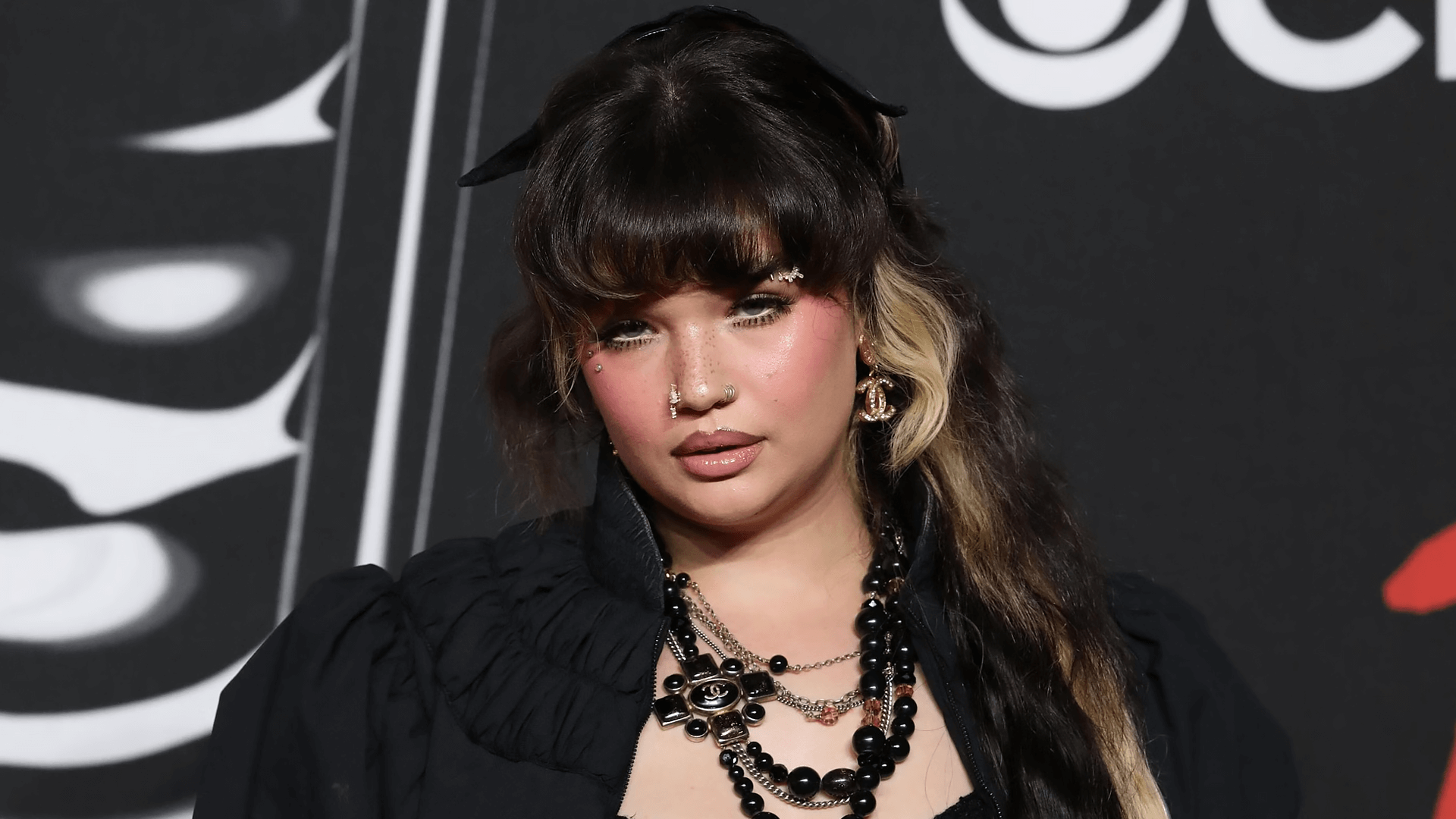
The level of vulnerability Young exerts in the public eye is refreshing, particularly for someone of her age. She’s unapologetic about who she is, sporting a choppy mullet and facial piercings while her peers opt for buccal fat removal and rhinoplasty.
She sings with the kind of bravado and self-assurance that usually comes with old age, most notable on her latest album I’m Only F*cking Myself in which Young talks glibly about her sexual identity.
Despite not aligning with industry beauty standards, the singer has never shied away from her vivacious sex appeal, strutting around the stage in heels and low-rise jeans and wrapping her glossy manicured fingers around the mic with enviable confidence.
For all these reasons, I wish Lola Young had been around when I was a teenager. I’m 28 now, and I can’t help but feel a little jealous of the young fans who have her to look up to. I feel a little hesitant to paint her as a role model – no young person should bear the weight of that kind of responsibility – but we need more Lola Young’s in a world so often urging us to squeeze into neat little boxes.
I was strangely relieved, then, when Young announced an abrupt hiatus from music this week. The singer had collapsed on stage during a performance in New York just days before, and told her followers on social media that she was ‘going away for a while.’
‘It pains me to say I have to cancel everything for the foreseeable future. Thank you for all the love and support. I’m so sorry to let anyone down who has brought a ticket to see me, it hurts me more than you know.’
The sudden ascent that Young experienced is no doubt life and mind-altering. Witnessing it in real time is both inspiring and unsettling. It’s the same reaction I had last month, when Adolescence breakout star Owen Cooper won an Emmy for his performance.