






 0 comments
Where do we draw the line when it comes to on-screen depictions of real people?
Ryan Murphy could never be labelled a people pleaser. Most of his projects flagrantly piss off at least one demographic, and if not outright offensive to some fraction of society they’re usually critiqued on the basis of quality. But that hasn’t stopped him dominating the past decade of TV.
We love to hate Mr. Murphy and his many shows. And the more time spent condemning him, the more money the guy’s making. After successful stints with Niptuck and Glee, Murphy found his trademark in the anthology format – centering a group of mini-shows around various famous (and infamous) figures from history.
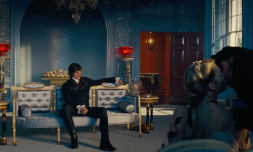
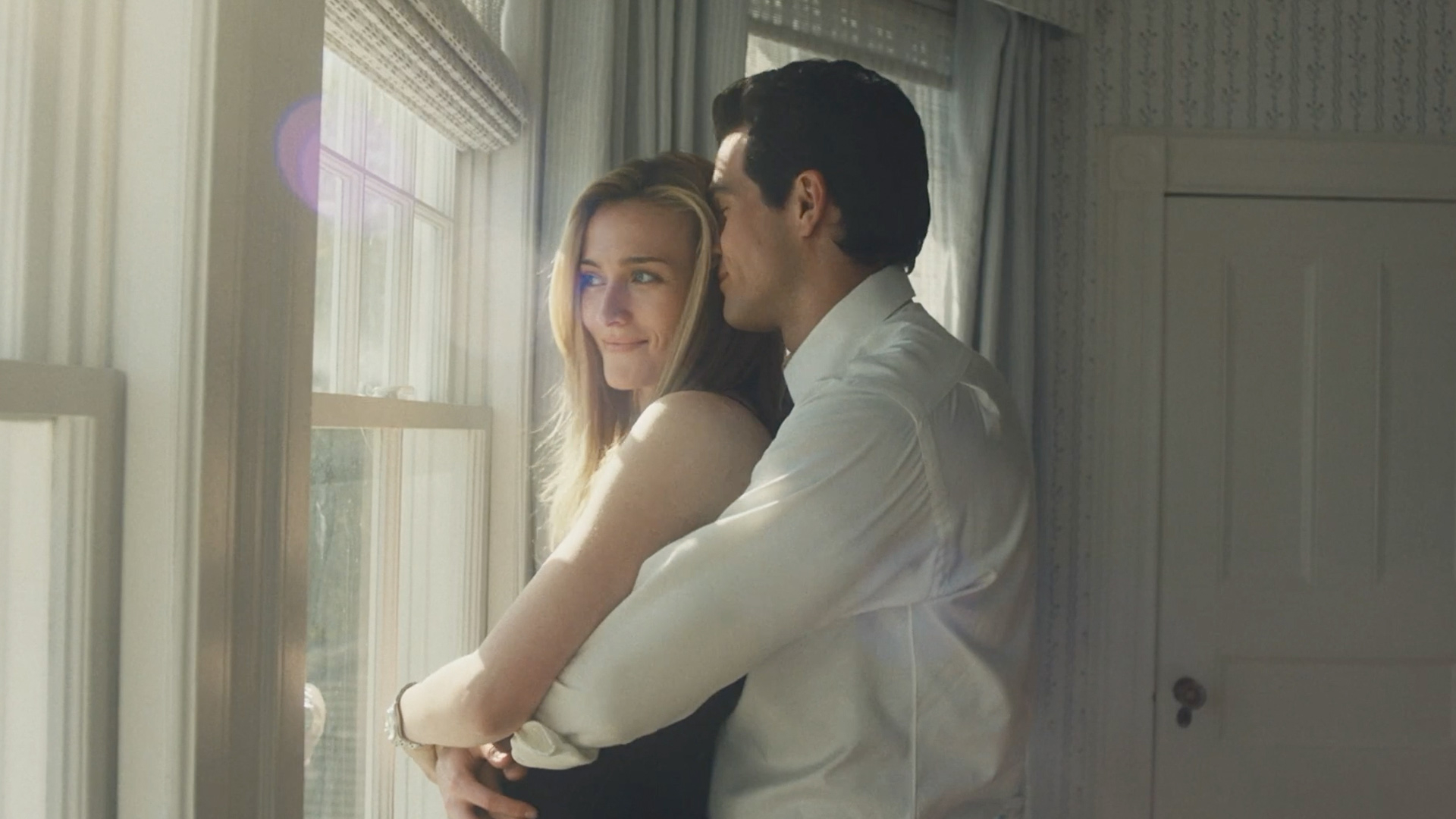
His latest offering in this regard is Love Story, a nine-part drama tracking the whirlwind romance and tragic demise of JFK Jr. and Carolyn Bessette. The couple were American royalty in the 1990s, providing an endless stream of fodder for the paparazzi and iconic fashion moments that still shape the trends. Given their sizable lore, it was hardly surprising the Love Story quickly amassed a cult following from the first episode.
In fact, besides a close-call on the styling front (eagle-eyed fans of Bessette’s style, which has a cult following in its own right, were so outraged by previews of the original outfits that a new wardrobe was introduced early doors) the show has garnered a relatively good response from critics. The 80% score on Rotten Tomatoes is certainly a leg-up from Murphy’s last series All’s Fair, which sits at a healthy 6%.
But this is a depiction of real people, after all. And while JFK Jr. and Carolyn Bessette may have died in a plane crash in 1999, many of the other figures featured in Murphy’s universe are very much alive. Unsurprisingly, few are chuffed with their on-screen alter-egos.
Given Bessette and Kennedy were famously private, little is known about their relationship nor their character. So it was inevitable that reality would be stretched for entertainment purposes. This is Love Story after all – what would a modern-day tragi-romance be without some dramatic exaggeration? Who cares if their loved ones are offended in the cross-fire! This is television!
Even those initially convinced by this feeble argument were given pause for thought when Murphy’s iteration of Daryl Hannah first appeared on screen in episode one. Hannah was dating JFK Jr.’s when he first met Bessette, and is still a working actor and filmmaker based in Los Angeles.
From the minute she whines her way into the plot, viewers are given little choice but to hate Hannah. She’s mopey, clingy, invites strangers over for coke-fuelled parties, and imparts her unsolicited two-cents about anything acting adjacent. Plus, there’s the obvious factor that she’s the natural antagonist in a love story about her ex-boyfriend and his beloved wife. In the world of rage-bait television – of which Murphy has ordained himself king – Hannah didn’t stand a chance.