






 0 comments
Stephen Colbert’s exit marks more than TV’s end. It signals the unsettling ‘Trumpification’ of mainstream media under political pressure.
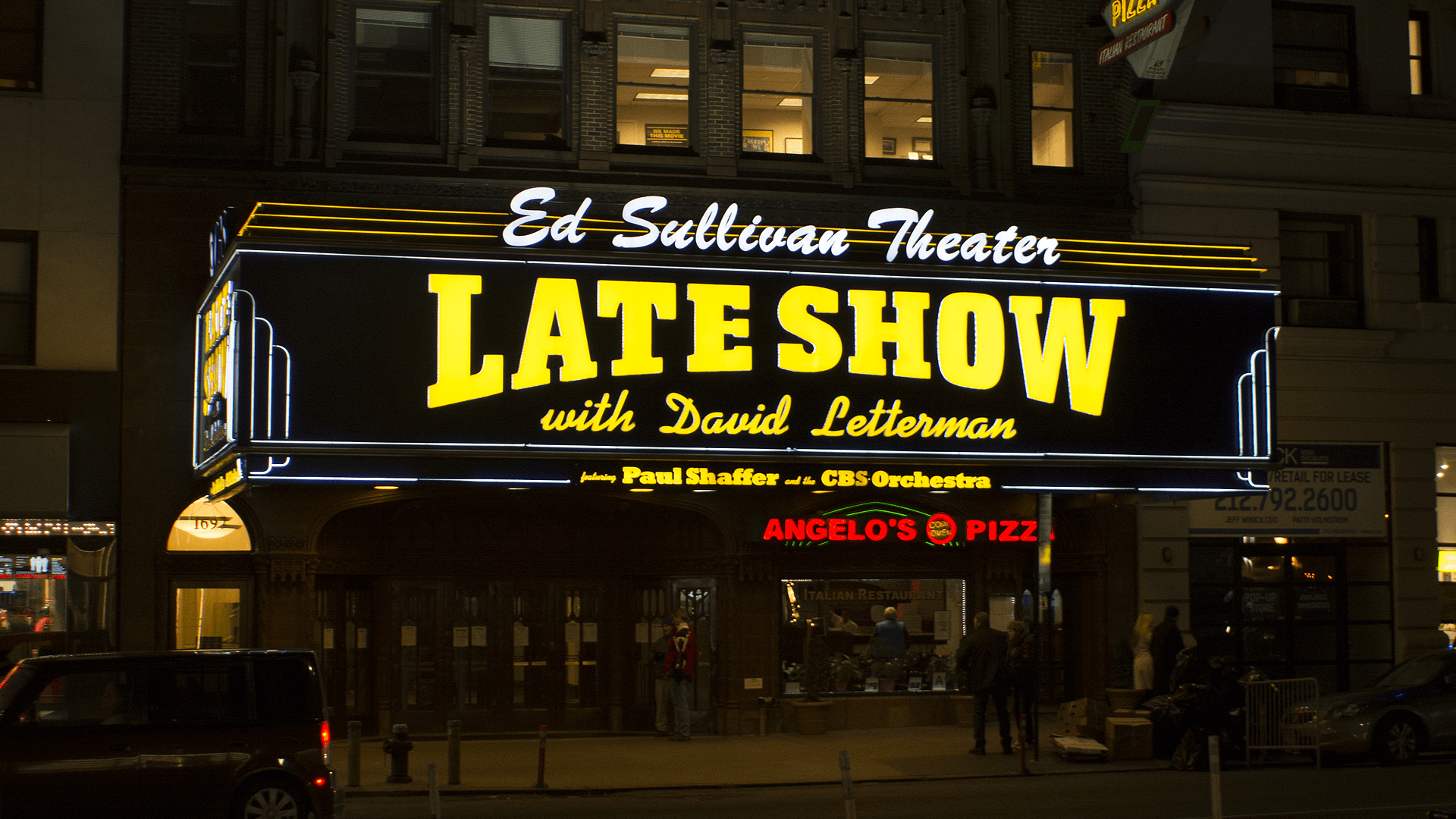
CBS’s decision to cancel The Late Show with Stephen Colbert – a late-night institution that, in Colbert’s own words, ‘isn’t being replaced’ – marks the end of a 33-year legacy and a moment of uneasy reflection for American media in the time of Trump.
The network attributes the cancellation to longstanding financial headwinds, which aren’t exactly unbelievable given the waning success of late night formats. But Colbert’s slot has remained the most successful of its kind across all the major networks, meaning his dismissal could cost CBS millions in lost viewers and revenue.
The show’s cancellation also comes shortly after Colbert – who has been one of Trump’s most outspoken adversaries since he took The Late Show gig in 2025 – made a dig at CBS for appeasing the president over another popular show 60 Minutes.
Merely three days before CBS announced the cancellation, Colbert had publicly denounced his network’s parent company, Paramount, for settling a lawsuit with Donald Trump, characterising the payment as a ‘big fat bribe’.
Given all factors point to political motivations, criticism of Colbert’s dismissal has been widespread – both from fans of the show and fellow late night hosts.
When the news was first announced live on air, the studio audience released a resounding chorus of boos. And in the following days, groups gathered outside the The Late Show headquarters with signs protesting the move. One placard read ‘Colbert Stays! Trump Must Go!’, highlighting how deeply entangled politics and mainstream American media have become.
Colbert’s exit is more than the end of a talk show. It’s the dismantling of one of the last bastions of mainstream satire. As The Guardian’s Jesse Hassenger lamented, the field of late-night comedy has been dying slowly for years, but the specific demise of The Late Show (post-Colbert’s critique of Trump-era cronyism) felt especially pointed. This is less about ratings than about the limits of dissent in corporate media.