






 0 comments
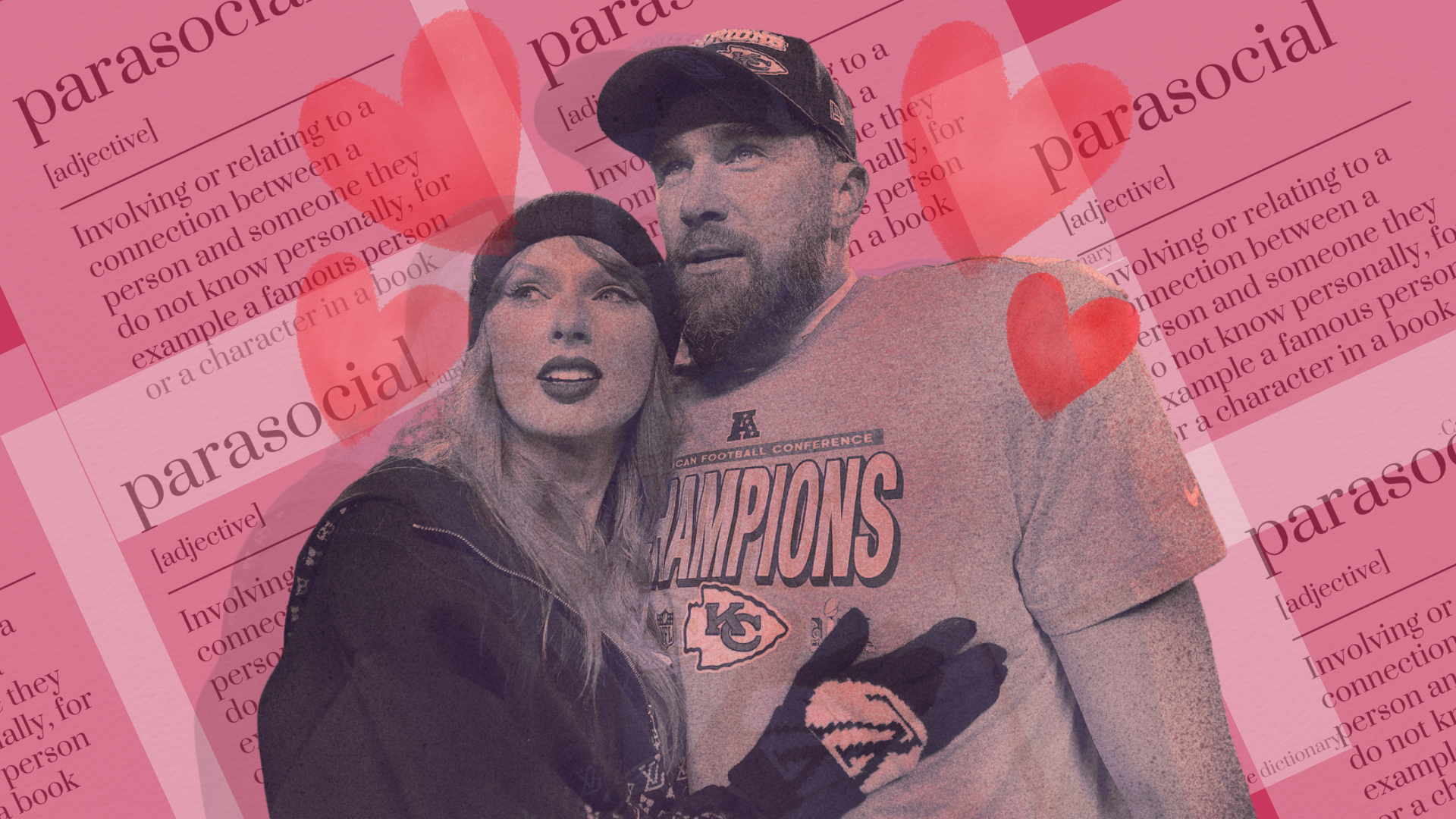
Highlighting the prevalence of ‘unhealthy’ and ‘one-sided’ relationships people are forming with celebrities, influencers, and AI chatbots today, Cambridge Dictionary has named ‘parasocial’ as its Word of the Year.
Can you name a celebrity you feel like you ‘know’ because you’ve paid so much attention to their career and personal life?
The person that springs to mind may be an actor, singer, athlete, or influencer. Perhaps you have at least one example for all of the above. The catch is, the person – or people – you’re thinking of don’t know you exist. Yet, in your mind at least, you’re inclined to believe that you truly know them as a friend would.
On paper, this may all sound quite strange. But in the age of the internet, social media, and even the rising use of AI chatbots, it’s really no longer all that uncommon.
The official name for this strange dynamic is called a ‘parasocial relationship’. The term was first coined by in 1956 by two sociologists, Donald Horton and Richard Wohl, who set out to describe how audiences tended to form one-sided relationships with prominent TV personalities.
Looking to draw attention to the global rise in these kinds of relationships, which can often veer into unhealthy territory, the Cambridge Dictionary has named ‘parasocial’ as its Word of the Year.
How social media breeds parasocial relationships
Crazed fan bases are really nothing new. You only have to look at the above video of a performance by the Beatles in 1964, where audience members were seen crying and hyperventilating when the band appeared on stage at a sold out show in Hollywood, to know that that’s true.
However, the internet – and of course, social media – has ushered in a new dynamic that’s redefined fandom altogether. Enhanced accessibility through digital media has removed traditional barriers between stars and their audiences, creating new and intensified feelings of intimacy.
Fans no longer have to wait for official interviews of their favourite celebrity to be released. Instead, audiences can follow celebrities on social media platforms or join them on livestreams and leave comments that may even be reacted to in real-time. Others send stars messages of adoration in the hopes that they will one day be granted a reply. In fan forums, people dissect interviews or social media posts to look for easter eggs or ‘hidden meanings’ that may not even be there.
Colin McIntosh, Cambridge Dictionary Chief Editor, said the word parasocial perfectly ‘captures the 2025 zeitgeist’. Public interest in the term increased massively this year, with the number of searches for it spiking in the Cambridge Dictionary, as well as on Google.
In other words, people are talking more and more about parasocial relationships, likely because they are more widespread – and because fandoms take up so much real estate on the world wide web that they’ve become hard to ignore.