






 0 comments
The BBC’s handling of a racial slur was damaging for all involved. It’s proof that inclusivity amounts to more than just a seat at the table.
Michael B Jordan and Delroy Lindo endured a living nightmare when they took to the BAFTAs stage last week.
It should have been a night of glorious celebration. Their film, Sinners, was up for a bevy of awards (it’s also bagged a record-breaking 16 Oscars nominations) and co-star Wunmi Mosaku took the prize for Best Supporting Actress in a surprise win.
But when Jordan and Lindo took to the stage to present an award, they heard one of the most violent racial slurs shouted from the audience. The moment was captured on camera, and was kept in the final broadcast despite a two-hour delay. Mind you, that didn’t stop the BBC from cutting Akinola Davies Jr. ‘s ‘Free Palestine’ statement in his acceptance speech for My Father’s Shadow.
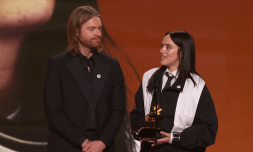
Jordan and Lindo handled the situation with incredible grace and professionalism, and host Alan Cumming quickly apologised to viewers for any offense caused. The slur, it turned out, had come from Tourette syndrome campaigner John Davidson, on whom the biographical film I Swear is based.
‘Tourette syndrome is a disability, and the tics you’ve heard tonight are involuntary, which means the person who has Tourette syndrome has no control over their language. We apologise if you are offended tonight,’ Cumming read from the teleprompter.
Indeed, guests had been warned about Davidson’s condition on arrival. He was introduced to a round of applause before showrunners explained that involuntary vocal outbursts might be heard throughout the ceremony, but that the Baftas are an inclusive space in which all people are welcome.
Davidson suffers from a rare form of Tourette known as Coprolalia, a specific tic disorder leading to utterances of obscene and socially taboo language. By the time he shouted a racial slur at Michael B Jordan and Delroy Lindo, he’d already displayed several involuntary tics. The word ’boring’ was heard during one of Alan Cumming’s monologues, which received a laugh from the audience. Others triggered a more bristled response – like when Bafta chair Sara Putt was told to ‘shut the f*ck up’.
As Jason Okundaye wrote in The Guardian, Tourette syndrome is often met with this confused, awkward and even amused feedback. It’s a misunderstood and antisocial condition that can cause upset and serious offence – and is sadly damaging for everyone involved.
During a 2011 documentary, Ruth Ojadi, a Black woman with Coprolalia, described how the condition had disrupted her life. ‘No race, no denomination, no gender, no sexuality, no religion is safe,’ she said. Such a condition should only be met with compassion and understanding.
And this makes the BBC’s handling of Davidson’s words so disappointing.
For starters, there’s the response. Alan Cumming can’t be vilified for reading off of a teleprompter, but why apologise to the audience at home before acknowledging the two Black men involved?
Jordan and Lindo were subjected to a word that carries centuries of generational trauma. And their feelings weren’t considered or protected.