






























 0 comments
The French movie star’s death sparked sadness and scorn, as her right-wing politics mark a complicated legacy.
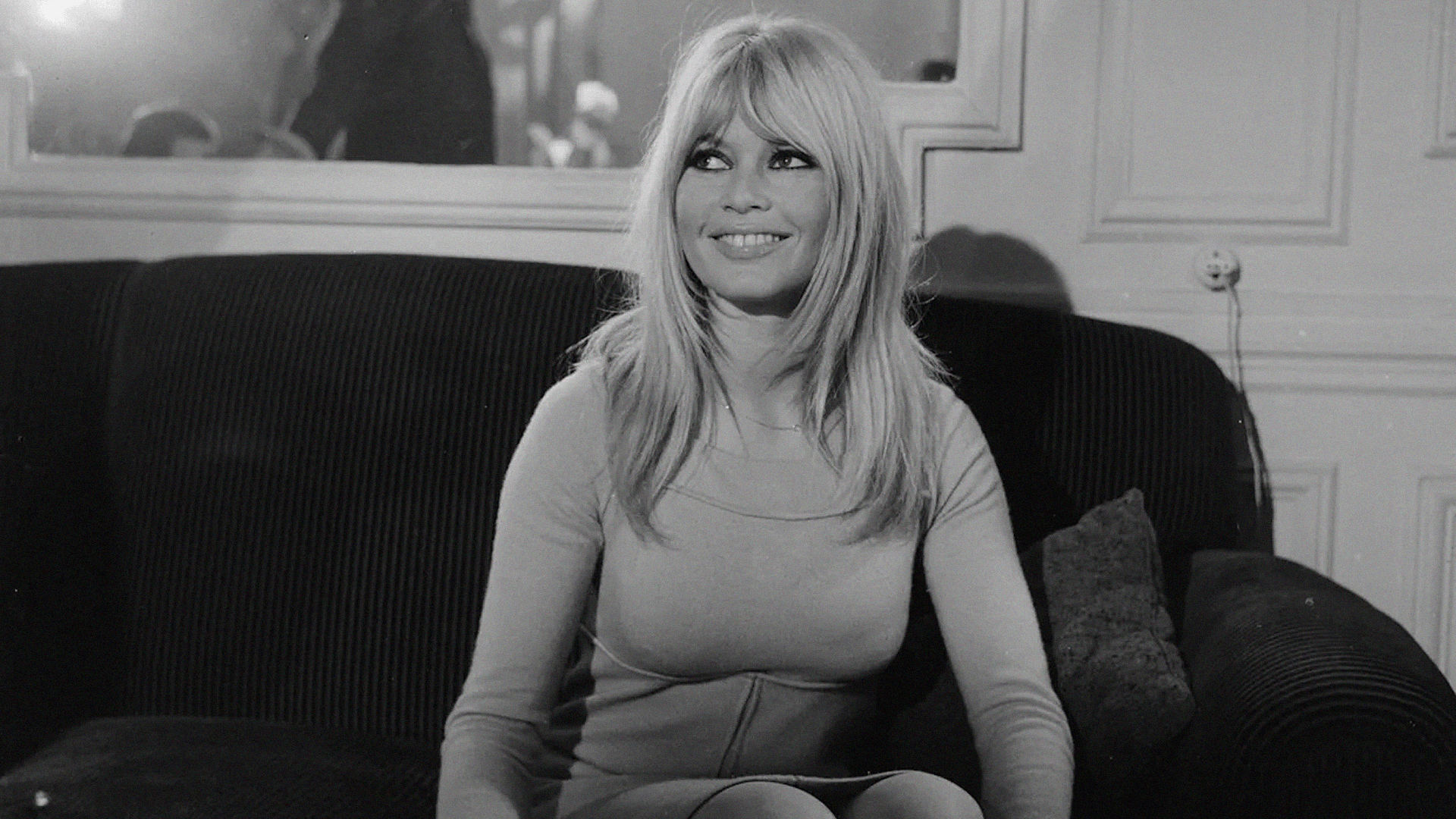
You might now Brigitte Bardot for her blonde bombshell looks – with voluminous golden hair so infamous that she arguably cemented ‘French Girl Chic’ into modern parlance.
Even if you haven’t watched any of her films, which include And God Created Woman and La Parisienne, images of Bardot in a plunging bikini are ingrained in pop culture and still influence today’s beauty standards.
Despite achieving global fame, Bardot gave up acting relatively early in her career and spent the rest of her life devoted to animal rights activism – a detour that made her all the more endearing to her fans. But the late French star left a complicated legacy when she died at the end of December.
Her passing inspired the usual outpourings of grief and condolence from across the internet – and given Bardot achieved the same silver screen status as legends Marylin Monroe and Audrey Hepburn, messages came from far and wide. The singer Chappell Roan posted a photo of the actor on Instagram with the caption ‘Rest in peace Ms Bardot’.
But the message was short-lived. The next day, Roan’s post was deleted with the explanation that she was unaware of ‘all that insane shit Ms. Bardot stood for.’
Bardot’s history may be defined by her on-screen career, her beehived hair, or even her work with animals. But it’s her politics that left the biggest impression on those they directly confronted. Bardot was a life-long racist, homophobic, and xenophobic far-right commentator. Her ugly comments toward various demographics – written across various memoirs and texts – even landed her in legal trouble.
Her 1999 book Pluto’s Square, in which Bardot criticised Muslim practices of ritualistic sheep slaughter during Eid, and wrote that her homeland of France was being overrun by ‘foreigners, especially Muslims’, landed the actor a fine of €1,500.
She also criticised interracial marriage, immigration, the role of women in politics, queer communities, and Islam.
That many of us will only have become aware of this sordid history now Bardot has passed is telling of how we remember celebrities; how we craft specific narratives of them in the halls of fame and history.