





























 0 comments
The ‘historic moment’ comes after the UK’s formal recognition of the Palestinian state.
This is ‘proof that our identity cannot be denied’, said the Palestinian ambassador to the UK. Husam Zomlot spoke at the inauguration of Palestine’s embassy in London this week – marking a turning point in the nation’s international presence.
It comes months after the UK officially recognised the Palestinian state. Prime minister Keir Starmer announced in a video statement last September that in the interest of achieving a two-state solution to the ongoing conflict between Israel and Palestine, recognising Palestinian statehood was a crucial step forward.
The decision drew fierce criticism from the Israeli government and those within the Israeli community – particularly the families of hostages in Gaza. But four months on, and London’s first Palestinian embassy has officially opened.
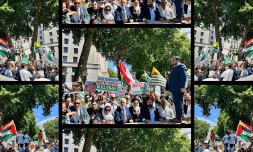
Speaking to the crowds in Hammersmith on Monday, Zomlot said the embassy’s establishment ‘marked a profound milestone in the British-Palestinian relations.’
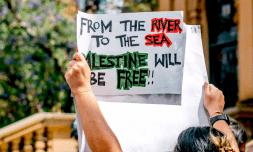
In a post on X, the ambassador said ‘a piece of Palestine on British soil; a symbol of peace, Sumud, dignity, and our people’s enduring pursuit of justice and freedom. Palestine is here. Palestine endures. Palestine will be free.’
The embassy certainly represents the plight of the Palestinian people, and turns toward a hopeful future – one in which Palestine may achieve further equality among nations.
Recognition by the UK brings with it diplomatic status and privileges, and acts as a symbol of Palestinians’ right to sovereign statehood.
‘For generations of Palestinians in Gaza, in the occupied West Bank including east Jerusalem, in refugee camps and across the diaspora this embassy represents proof that our identity cannot be denied, our presence cannot be erased and our lives cannot be devalued,’ said Zomlot.
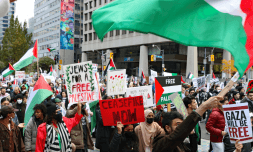
Response to the embassy has been mixed – as is to be expected of any Palestinian-related news amidst the ongoing conflict. But social media has seen outpourings of support.
Some have said the government’s recognition is the bare minimum – and that more should be done to condemn the ongoing genocide in Gaza, as well as the UK’s historic involvement in Palestine’s struggle.