






 0 comments
Within two months, airstrikes against these groups have resulted in the deaths of 15 minors, garnering global criticism of the government’s choice of tactics.
Since the early 60s, Colombia’s government has been embroiled in conflict against illegal armed groups encompassing far-left guerilla factions, right-wing paramilitary organizations, and organized crime syndicates.
Often these groups find themselves in the center of trades ranging from drug trafficking to illegal mining operations with a desire to expand their influence throughout the nation.
Despite a peace treaty being signed in 2016 with one of these factions, the Revolutionary Armed Forces of Colombia (FARC), dissidents within it chose to reject the agreements, prompting further violence and renewed military action.
For majority of this fight, Colombia’s government used ground forces, intelligence-led raids, and joint operations with police forces to target these groups. However, the nation’s current President, Gustavo Petro decided to take this offensive a step further by authorizing airstrikes.
This strategy has caused the deaths of key dissident commanders and fighters, while bringing about damage to their nefarious operations.
Tragically, however, many more are caught in the crossfire resulting in the deaths of civilians and minors. These aren’t technically civilian casualties, though. The majority of minors are none other than forcibly recruited child soldiers within these illegal armed groups.
Often these child soldiers find themselves used for combat, to lay mines, carry supplies, and act as scouts. Between 2023 and 2024 alone, officially there were 300 cases of forced child recruitment, and many believe the population to be significantly higher.
Most of these recruitments occur via social media, a common pit of false information. The targeted groups often exploit the vulnerability of children by glamorizing the life of ‘warrior’, with promises of money, protection, and a sense of belonging.
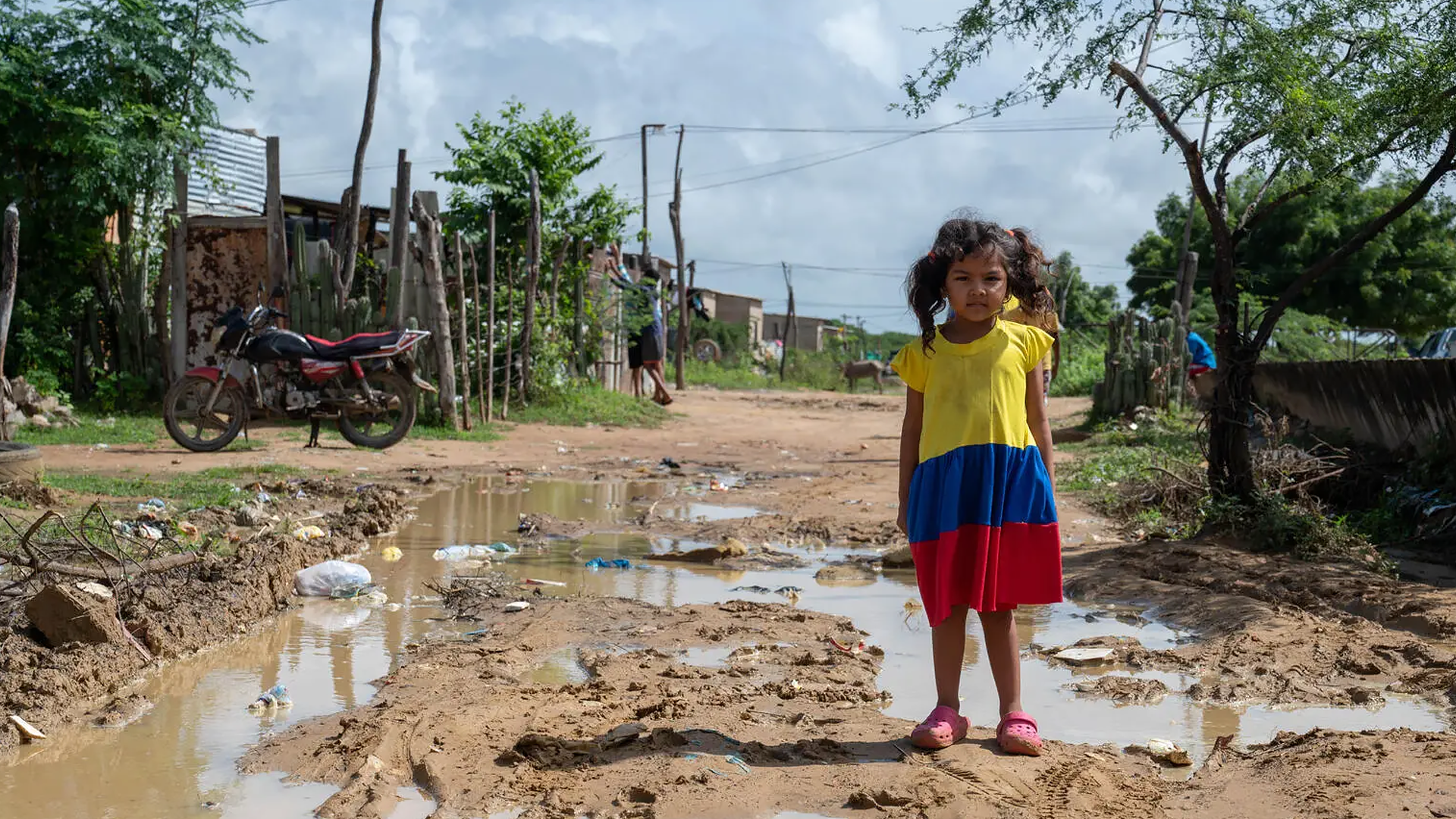
Hence, many minors are coaxed by the need to escape issues from poverty to abuse, or simply just because they are seeking shelter and warm food. Following their recruitment, these children are subjected to exploitation, with girls being more likely to face sexual violence.
The children who manage to escape from the grip of these organizations often end up being ostracized by society, reflecting a major gap in Colombia’s institutional response to prevent such recruitment and protect their children from dissident influence.