Gaming union at ZeniMax reaches deal with Microsoft
Unionised quality assurance testers at ZeniMax have announced that they’ve reached a deal with Microsoft after two years of negotiations. It follows a recent trend of more coherence amongst video game workers to demand greater pay and rights. A new deal has been reached between unionised quality assurance testers...
Current in Tech
AI is reportedly set to disproportionately impact women
Artificial intelligence is coming for your job – and according to a new report, it’s coming faster if you’re a woman. For technology designed to eliminate benign work, artificial intelligence is proving remarkably efficient at replicating workplace inequality. Not that it will surprise any woman under the sun, but a...
TV being widely pirated due to ‘lack of action’ from tech firms
New research by Enders Analysis suggests that premium video services are being pirated via alternative streams on an ‘industrial scale.’ The firm says a lack of action by tech companies is to blame. A study by Enders Analysis has claimed that big tech firms like Amazon, Google, Meta and...

Bohlale Mphahlele’s battle against Gender-Based Violence in South Africa
With gender-based violence continuing to be a serious problem in South Africa, organisations and young entrepreneurs are looking for innovative ways to ensure greater safety for women and girls. South Africa faces high rates of gender-based violence (GBV). Bohlale Mphahlele, a 21-year-old tech whiz from the country, aims to make...
Adidas loses customer data in latest cyber attack
Popular sportswear company Adidas has said it has been hit by a cyber attack. Personal customer information has been stolen, though passwords and payment data is currently safe. The clothing company Adidas has been affected by a breach in its cyber security, it has confirmed. According to a statement, Adidas said...
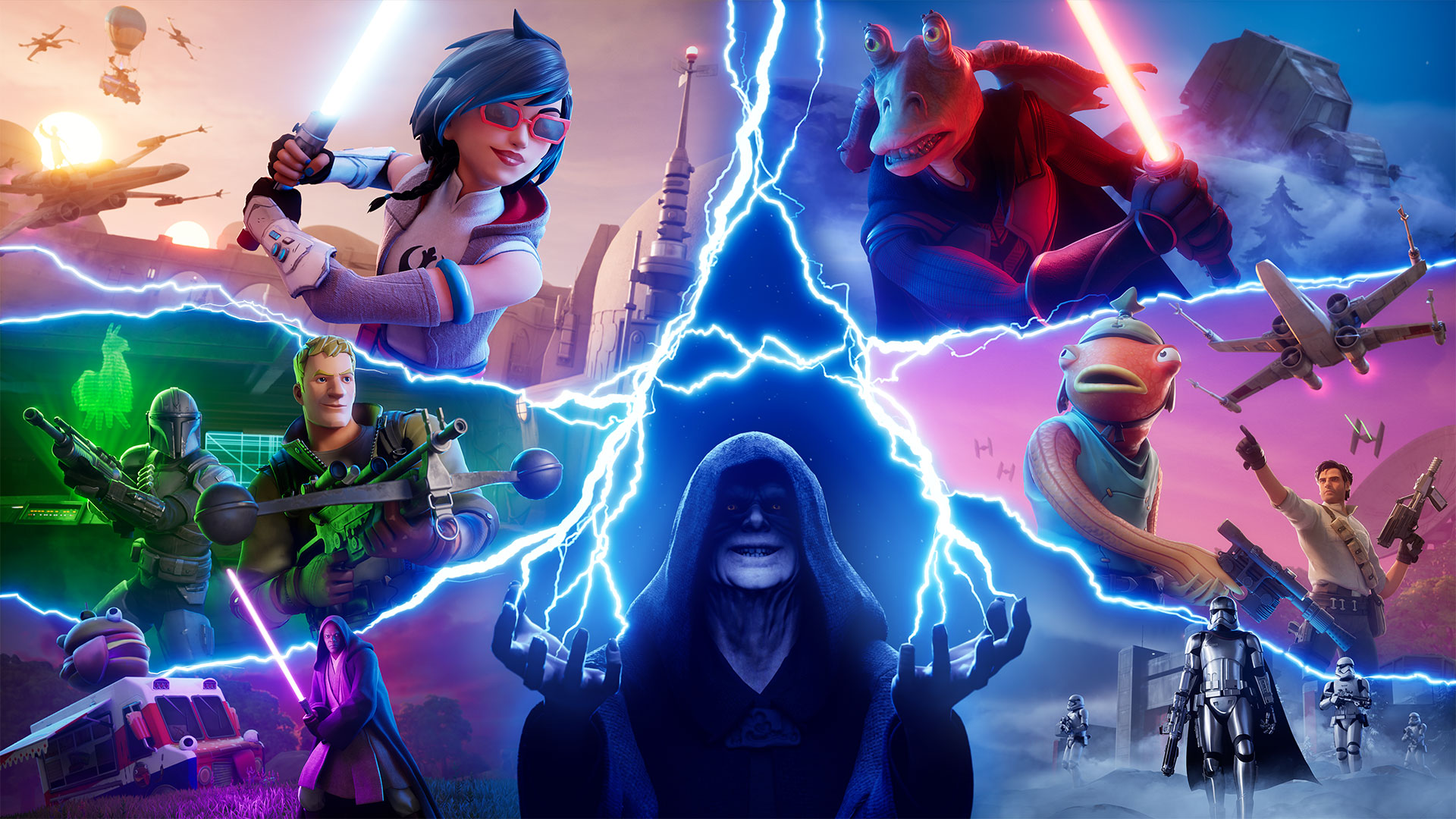
Fortnite returns to US App Store after five-year legal battle
The battle royale title Fortnite is finally back on Apple’s App Store in the US, meaning the game is once again playable on iPhones and iPads. It follows nearly five years of legal trouble between Epic Games and Apple. Fortnite is now once again available on Apple devices, including...


Nigerian students build AI to detect fruit ripeness and reduce waste
At Caleb University in Lagos, Nigeria, three students are tackling one of agriculture’s oldest and most overlooked problems, determining fruit ripeness. The trio has developed an AI-powered app that can instantly assess whether a mango is ripe, underripe, or rotten, a breakthrough that could drastically cut post-harvest losses and transform fruit quality assessment in Africa. Their app, which uses a combination of computer vision and machine learning, works by analyzing...




What’s the meaning behind TikTok’s ‘anti-propaganda’ trend?
From whole (or plant based) milk to conservativism and Gracie Abrams, young people are taking to social media to list off things they see as ‘propaganda’ they refuse to fall for. What does it all mean? You’d be forgiven for not fully understanding half the lingo you see online these days, with young people using ‘code speak’ to express their thoughts on the internet at higher rates than ever...


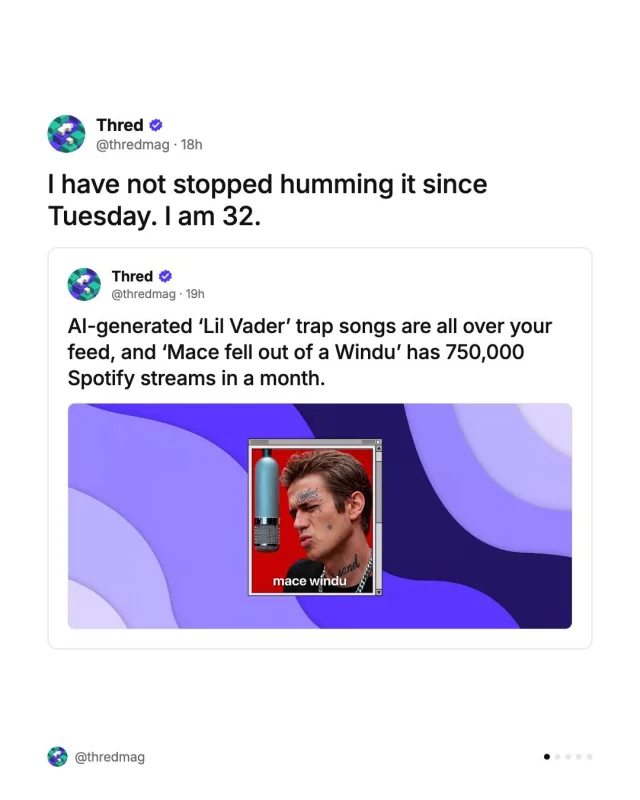
Union files charge against Fortnite for AI Darth Vader
SAG-AFTRA, a large union representing over 160,000 actors and media employees, has filed a charge against Fortnite for its use of an AI Darth Vader character. Fortnite and Epic Games are facing legal trouble after the game’s latest update. As part of its recent Star Wars collaboration, Fortnite added an AI-powered Darth Vader character that has prompted the actor and media union SAG-AFTRA to file an unfair labour practice charge. https://www.youtube.com/watch?v=ELosLTCjoKk The...