

























Latest Stories from Jessica

Parisian brand Chloé channels climate consciousness at fashion week
Gabriela Hearst, the Creative Director of Chloé, took an optimistic stance at Paris Fashion Week by encapsulating how the fashion industry can exist in harmony with the planet. As humanity looks for ways to become less wasteful, the fashion industry has been placed directly under the microscope due to its vastly negative impact on the planet. Fast-fashion brands now dominate the market, selling low-cost clothing sewn together out of synthetic materials....


TikTok users want the world to move past ableist thinking
TikTok users are giving us a first-hand look at what it’s like living in a world largely designed for able-bodied people. Last weekend’s intimate Ted x London Women’s event kicked off with a presentation on ableism. If you’re confused about what this means, the Oxford Dictionary explains the term as ‘discrimination in favour of able-bodied people.’ It’s what prevents millions of fully qualified disabled people from getting equal opportunities each year. But...

Why we should talk more about Europe’s rapidly growing forests
With laser-like focus on deforestation in the Amazon, we’ve forgotten to celebrate the growth of forests around us and the job they’re doing to sustain our natural world. The Amazon rainforest tends to make headlines whenever wildfires begin, as entire ecosystems and species are irreversibly destroyed. But more frequently, it’s human-led deforestation that captures the attention of international news. As many will already know, 17 percent of the Amazon rainforest has...
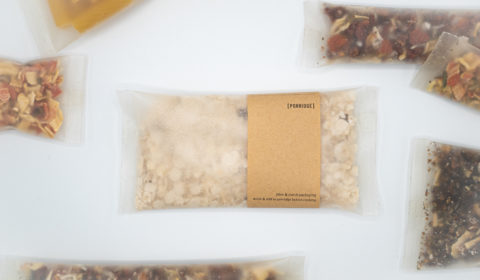
Edible food packaging is the future of snack time
Using seaweed and algae, several food manufacturers are starting to cut back on single-use plastic waste by making their wrappers fully edible. Ever finish your snack and wish you had a little something more to munch on? What if we told you that soon, you’ll be able to eat the wrapper that snack came in? Sounds a bit weird, right? Well, we’re not far off from that becoming a reality, as...

Opinion – Kim Kardashian shouldn’t be telling us to ‘work harder’
When will famous billionaires realise they’re too out of touch to offer worthwhile career advice to the rest of us? I’m starting to believe the only thing worse than men spending millions to blast themselves into space for 30 seconds is the trend of famous, privileged white women telling normal people to ‘girlboss’ harder. In a new interview with Variety, the notorious Kardashian-Jenner family boasted about their arsenal of multimillion...
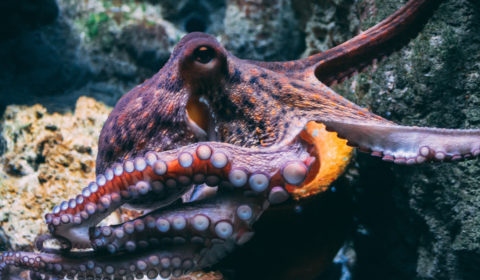
World’s first octopus farm branded ‘an environmental catastrophe’
A company called Nueva Pescacnova has just invested €65 million to build a gigantic octopus farm in the Spanish port of Las Palmas in the Canary Islands. With all that’s happening in the human realm at the moment, it might be a little difficult to consider why the welfare of an eight-legged sea creature would be something worth lobbying for. However, scientists and environmentalists worldwide are horrified to learn that a...

Media is finally encapsulating the realities of being young today
Though some directors have been accused of virtue signalling their way onto the silver screen, there’s no question that Gen-Z’s hyper-awareness has made media the most diverse it’s ever been. It’s safe to say that representation on screen has notably increased over the last few years, though it hasn’t come easily. There has been a divisive stance on how to best incorporate diversity into mass media, with quite a few instances...
Bots are now hijacking users’ collaborative Spotify playlists
Just when you thought Spotify was the last peaceful place left on the Internet, bots have begun taking over the platform. Remember the days when we exchanged music by carefully curating tracks and burning them onto blank CDs, with track names, doodles, or handwritten notes on the surface of them in Sharpie? If you’re from the latter half of Gen-Z, you might not – but for the rest of us, this...
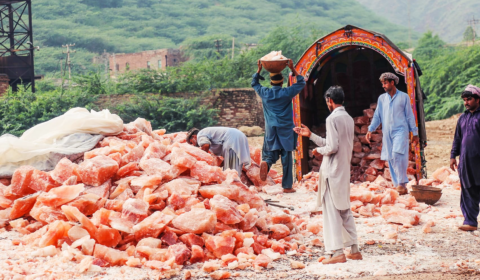
Everything you need to know about trendy Himalayan salt lamps
The proclaimed health benefits of Himalayan salt have led to increased demand for the pink crystals - for food, beauty products, and home wear - but most people know little about where it comes from. When it comes to Himalayan salt lamps, the truth isn’t in the title. The distinctive pink salt rocks are actually sourced from the gigantic Khewra mines in Pakistan, situated hundreds of kilometres from the Himalayan Mountains...

Could memorial coral reefs replace traditional graveyards?
For those trying to remain eco-friendly well into the afterlife, being cremated and turned into a host for living coral might sound rather pleasant – but is this new trend actually sustainable? Although most people presume that once we’re dead nothing really matters, humans often ask each other (or state unprovoked) what they want the people around them to do with their body once the inevitable happens. I know, for example,...

