Live music companies are having to make big changes to survive unpredictable lockdown measures, mixing virtual options with physical ones for a staggered return next year.
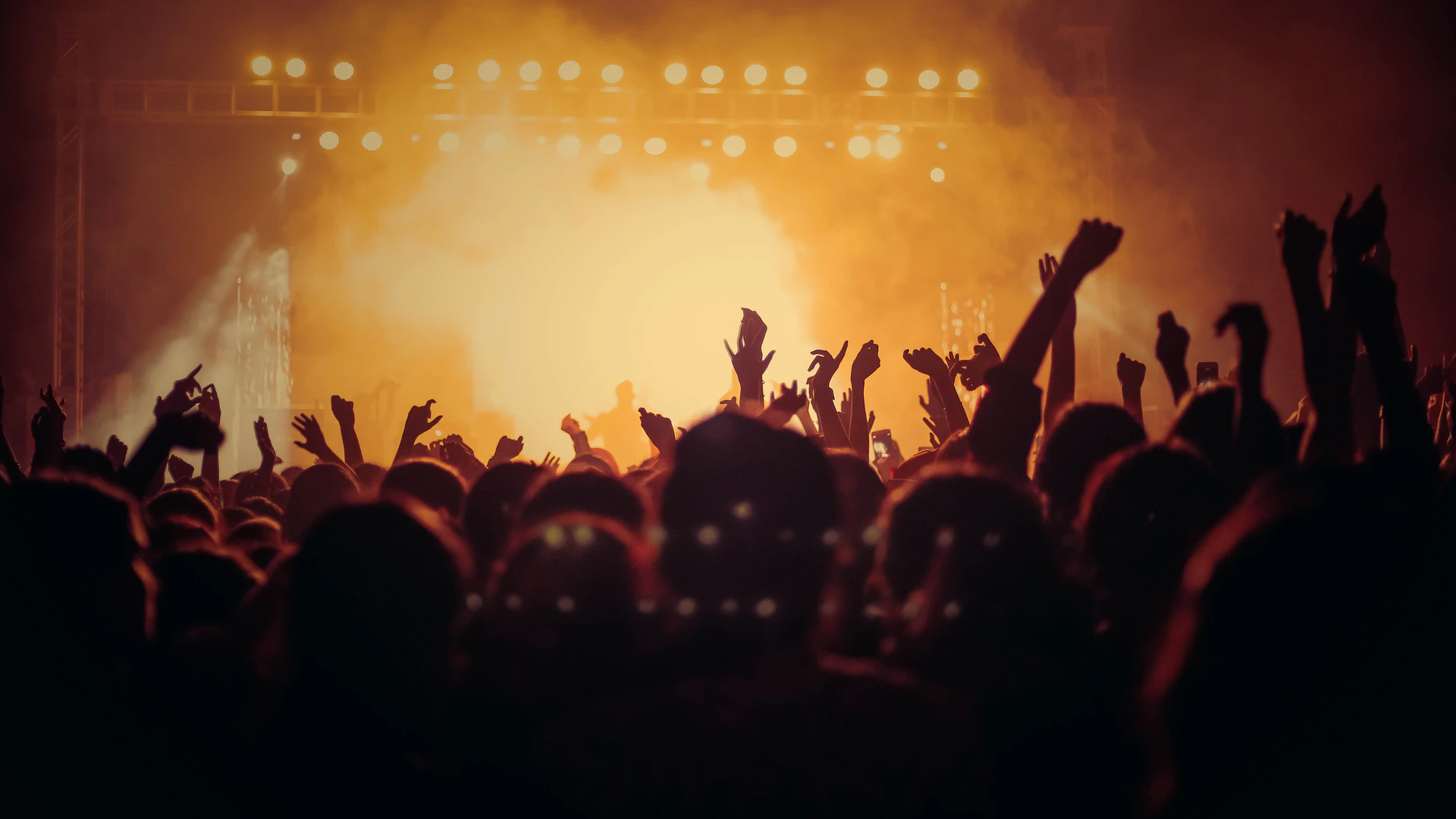
If you’re a festival lover or music fan, you’ve probably been missing the thrill of live concerts and gigs this year.
The pandemic has obliterated the live entertainment industry, so much so that the UK is now at risk of losing its status as a leader of live music and is officially on ‘red alert’. Venues have reported earning an eighth of their usual income in the last six months and continually changing lockdown rules make planning for events extremely difficult.
Companies are trying to plan as best they can for next summer, however, with some festivals such as Mad Cool, Reading and Leeds, and Truck Festival already announcing headliners and selling tickets for next year. The plan is to stagger band appearances steadily and offer a mix of digital and physical experiences, with a hope to eventually phase out the current digital options.
What will festivals do next year to survive?
The live music industry needs to offer a service for customers if it wants to stay afloat, but it also has to balance financial gain with the safety of staff and attendees. Virtual experiments such as live streaming have helped bridge the gap, but they’re not enough to replace the real thing.
According to the BBC, festival companies will enforce flexible rules when and if they return next year. A variety of nifty tech solutions are being considered to make social distancing possible, including interactive wristbands that detect if you’re too close to others and thermo scanners to check your temperature, but full festival lists and schedules won’t be back properly until at least 2022.
Uncertainty surrounding regulations next summer is the biggest challenge for organisers, and everyone is ready to shut things down or re-arrange events at a moment’s notice. We might suppress the pandemic well enough by then to be able to mingle in large groups, or we could be in total lockdown. It’s impossible to predict.
What are music companies doing right now to help the industry?
Various social distance experiments have taken place this year to gauge how possible it is to organise live concerts while ensuring the safety of attendees.
We’ve seen the introduction of drive-in shows in Australia that provided some bizarre scenes straight out of Pixar’s Cars back in April, as well as virtual live streams for smaller gigs. Weeklong spectacles like Burning Man have used virtual reality and hired independent artists to recreate entire venue spaces digitally, resulting in some unique experiences that weren’t available pre-Covid.
London’s O2 will be hosting a socially distanced show on December 5th headlined by 70s rock band Squeeze, which will reduce the usual 20,000 crowd to 4,700. Workarounds are being implemented where possible but the result is, at best, a diluted version of what you’d normally expect.
Will we see these innovations last for the long-term?
All these novelty ideas are a valiant approach to an unprecedented situation, but they’re unlikely to truly engage festival goers in the same way as traditional shows.
That’s not to say they don’t have a long-term future in the industry. Virtual reality features and innovative visuals have been implemented into live music shows for decades. Daft Punk’s famous 2006 Coachella set demonstrated the full potential of using world-class tech to boost the listening experience, and I’ve no doubt that artists will continue to welcome streaming and virtual gigs as a viable option, especially if they offer additional sources of income.
Streaming doesn’t cater to as wide of an audience as stadium shows or weekend events and can’t fully replace the real thing though, let’s be honest. You don’t get an equal experience watching a gig on your laptop. Where are all the pints being thrown around and dodgy food carts selling ambiguous products? If I can’t tipsily dance around while being mud covered in a field it just isn’t the same.
These solutions are a great way to keep the lights on for now, but won’t ever be able to outright replace normal concerts. Who knows, we could see more virtual reality and app integration used in future shows when things go back to normal. Some big artist like Eminem were already playing around with this idea before it all hit the fan, and its increased use in 2020 could make it more popular in the coming years.
https://www.youtube.com/watch?v=rfjeONH8UWY
For now we should expect some events to take place as usual next year, albeit a bit smaller with far more social distancing rules in place. They could be postponed or cancelled at any time, and we’ll all have to order tickets with bated breath.
But, hey, at least we may get some music shows next year, which is far better than 2020 has offered.
I’m Charlie (He/Him), Deputy Editor and Senior Writer at Thred. I was previously the Editor full time at Thred before moving to Bristol in 2024. As a music and gaming enthusiast, I’m a nerd for pop culture. You can find me curating playlists, designing article headline images, and sipping cider on a Thursday. Follow me on LinkedIn and drop me some ideas/feedback via email.
Amidst Trump’s legal threats and a waning Gen Z audience, the BBC is hoping to gain back some much-needed goodwill with a landmark new YouTube deal.
The BBC has struck a deal with YouTube to make brand new content tailored specifically for the digital platform.
It comes after months of turmoil for the BBC. Its editing blunder in November saw US president Donald Trump launch a multi-billion dollar lawsuit, and...
Despite concerns that streaming is killing the in-person experience, reports suggest Gen Z are gathering in front of the silver screen regularly.
Cinema attendance across the UK hasn’t exactly spiked. In fact, some of the year’s biggest films – by critical standards – saw dismal box office numbers.
Streaming has continued to shape our watching habits and dominate the entertainment industry. Netflix looks set to acquire Warner Bros, and our favourite...
Literary purists are on the rampage over Emerald Fennell’s upcoming adaptation of the gothic novel. But why do modern takes on historic literature so often spark backlash?
Wuthering Heights may be one of the most famous books ever written, but Emily Brontë’s singular masterpiece has proved near impossible to adapt for the modern age.
Fraught with violence and deeply complex explorations of love, grief, class and intimacy, fans of the novel...
The popular podcast is receiving heat for a recent conversation around women and motherhood. It highlights how far the show has strayed from its origins.
Stephen Bartlett is no stranger to controversy. When you head-up one of the biggest podcasts on the planet, that comes with the territory. And it seems Bartlett knows that – he hasn’t let criticism sway him from building a multi-million dollar empire that now includes...
We use cookies to ensure that we give you the best experience on our website. If you continue to use this site we will assume that you are happy with it.
































 0 comments