









 0 comments
A growing number of tourist spots are tackling content creators in the hopes of preserving the broader guest experience. But who will win?
Taking photos of yourself has become a holiday rite of passage. We all love a pose before a sunset or a historic landmark, but influencer culture has reshaped tourism into something vastly different from what it looked like even ten years ago.
Nowadays, every popular tourist space – be it a restaurant, hotel or sporting event – is teeming with influencers. These professional picture-takers stand out from the average holidaymaker with expensive outfits and camera set-ups.
Paired with laborious stints in front of a desired backdrop and (on occasion) elaborate scripted video content, influencers have quickly taken over the public places that many spend lifetimes hoping to visit.
The irony is that it’s these same influencers who are driving more visitors to popular sites. Their content is ultimately a marketing business, and a lucrative one at that. Online celebrities have displaced Hollywood royalty as the oracle of taste – particularly for Gen Z, who look to content creators for advice on everything from fashion to food to holiday destinations.
It’s this success that enables influencers to travel with such ease, not to mention the fact that many companies provide them with free trips and meals in exchange for digital exposure. But as their activity grows, those same tourist outlets are having a change of heart. Many major hotels and restaurants are now placing limits on photoshoots to protect other guests’ experience.
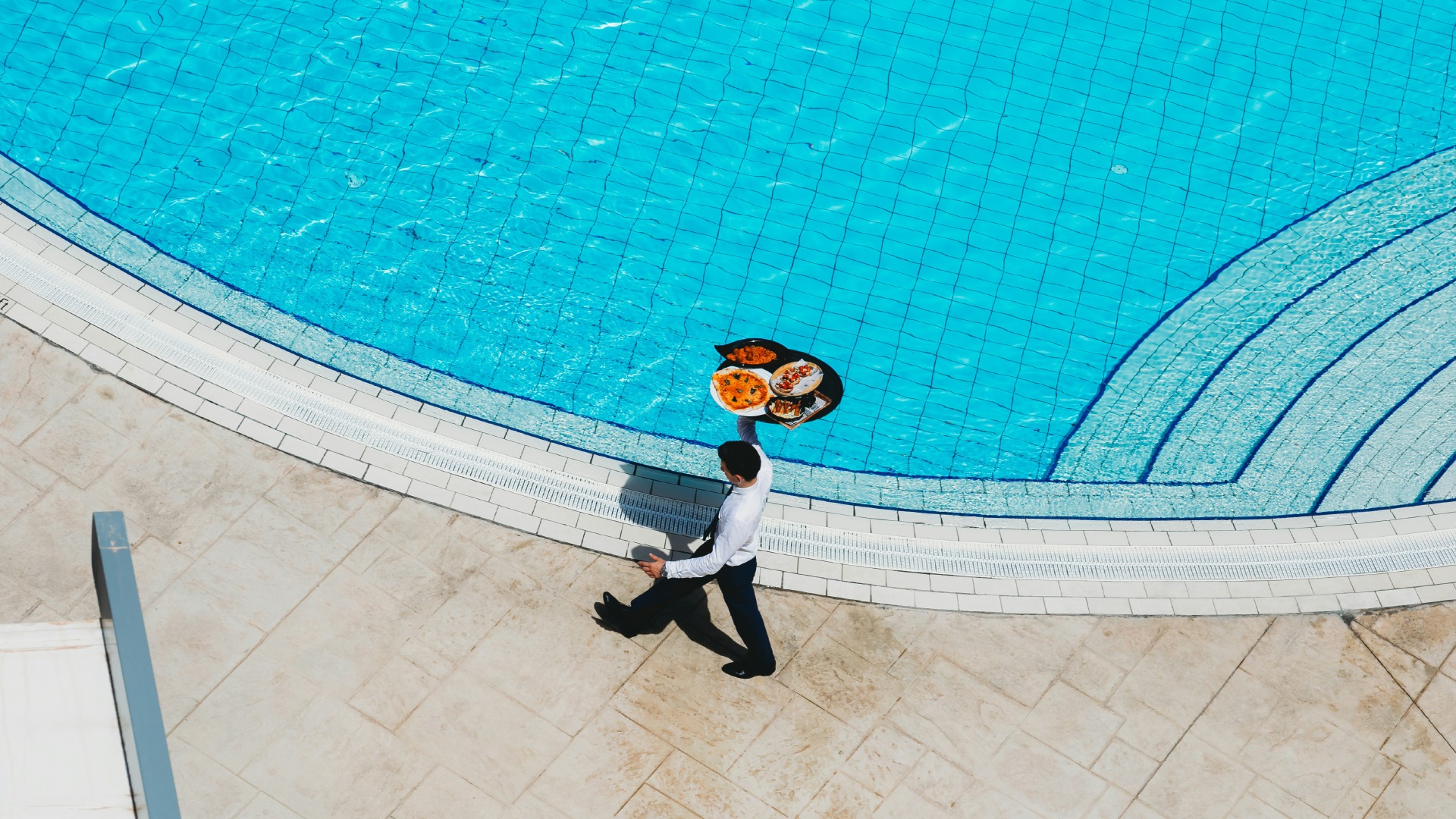
A Côte d’Azur hotel is among those that introduced restrictions in the past year. Manager Sophie Volant told reporters that visitors had started arriving at the exclusive property for day trips and meals, spending most of their time taking pictures.
Some would even arrive with multiple outfits to change into, despite not having a room to stay in, and stay for hours swapping out clothes and jewellery while posing for photos. The hotel has become a status symbol in recent years thanks to high-profile celebrity trips and brand events. But staff are concerned the influx of visitors who want to emulate that lifestyle online is disrupting the experience for paying guests.
‘We have a lot of loyal, repeat guests who don’t see this hotel as a hotel – they see Hotel du Cap as their summer home,’ Volant told Travel Weekly. ‘As much as they appreciate having people in the restaurants and in the bars, they also want their summer home to remain private. We had to think about a solution.’
The solution in question has been to ban photoshoots on the property. That doesn’t mean all photography is out of bounds, Volant explained. For example, guests are limited to where they can take pictures and must stop if other guests are walking through those spaces.
Hotels aren’t the only tourist hubs to crack down on influencers over the last year. Wimbledon announced restrictions on various items, including ring lights that could distract players during this summer’s tournament, and said it would not offer a separate accreditation category for influencers.
The US Open also drew controversy after organisers invited 100 influencers to this year’s event. Guests and spectators pushed back over what they considered ‘poor tennis etiquette’ from disruptive content creators. One group turned on a ring light during Naomi Osaka’s first-round match at Arthur Ashe Stadium, and proceeded to have a photoshoot.
Osaka herself had to remind the crowd several times to be quiet, and later complained of disruptions to the press. ‘I tell people I normally just focus on the match and the court, but there was a moment where there were people shouting and you could hear it quite clearly. I think it bothered my opponent, too.’
But those within the influencer business have emphasised the responsibilities that hospitality businesses owe individuals who are ultimately working for free. There is, some argue, a power imbalance at play that needs to be carefully navigated.
Palak Agarwal, a marketing expert who has worked with content creators for several years, said there is a tendency to dismiss them as just ‘people who take photos’. In reality, ‘creators can bring genuine visibility to hospitality businesses, introduce them to new audiences and create marketing content that can have real value.’