






 0 comments
The ongoing Winter Olympic Games have seen many acts of defiance against the Trump administration. How will the situation play out when the US hosts in 2028?
When Baron Pierre de Coubertin revived the Olympics in 1896, one of his main aims was to promote mutual understanding among athletes. He believed that competing on the track instead of the battlefield could encourage peace and help prevent war.
However, countless examples have proved that the event has fallen short of achieving this goal of keeping politics at the door. After the invasion of Ukraine, the International Olympic Committee banned Russia and Belarus from competing under their own flags, national colors, and anthem.
Critics argue that there are inconsistencies in Russia’s ban compared to Israel’s continued participation amid the conflict in Palestine. From the 1984 boycotts to the 1956 clash between the Soviet Union and Hungary, these events share a common theme: historically, the Olympics has been grounds for international rivalry.
Yet, this year’s Winter Milano Cortina Olympics marks a shift, with rivalry turning inward, emerging as an internal conflict within the US delegation itself.
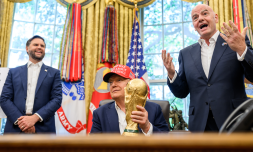
On January 17, Trump announced that that US Presidential Delegation for the games would be led by Vice President JD Vance. Days after this announcement, he made another state that a unit of Immigration and Customs Enforcement (ICE) would assist the delegation with security, which ignited the public like wildfire.
The administration defended the move as a safety measure but the timing amidst the aggressive domestic immigration policies, and the how death of two Americans at the hands of ICE officers, quickly garnered international criticism.