






 0 comments
Outspoken celebrities criticised the government and ICE amid ongoing demonstrations in the US. But the consensus on politicising award shows has never held.
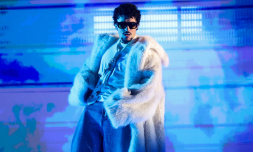
By the time Bad Bunny won Album of The Year for his record DeBÍ TiRAR MáS FOToS at the 2026 Grammys, it had already become clear that this year’s event was unafraid to get political.
Unlike previous iterations of the awards, which have been dampened by snubs and controversies, Sunday’s show acted as a megaphone, amplifying public outrage at the Trump administration and its actions in Minnesota.
Since ICE agents descended on the northern city in December of last year, two American citizens have been shot dead in broad daylight, and children as young as five have been detained and removed from their homes.
All this without any repercussions for the agents responsibly, it seems. The government has repeatedly defended the rights of ICE to use whatever means necessary when protecting US citizens from ostensibly dangerous and violent illegal aliens.
A large number of stars arrived at the Grammys wearing ‘ICE OUT’ pins. Others, like singer Kehlani, used red carpet interviews to share the concise message: ‘f*ck ICE’. And inside the awards, those who took the stage wasted no time sharing their thoughts on the political state of the nation.
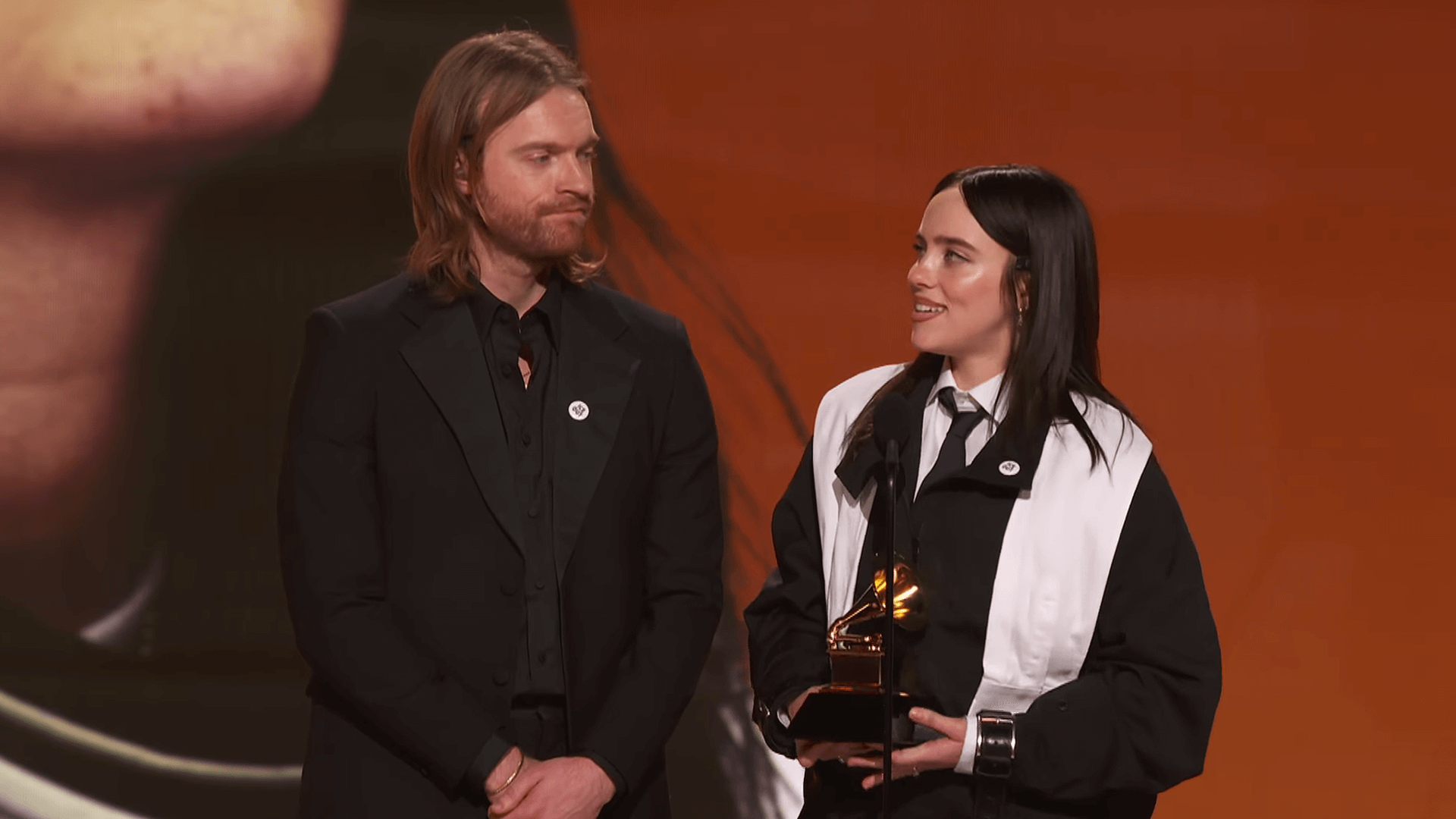
Billie Eilish, winning song of the year for Wildflower, addressed the turmoil in Minnesota in her acceptance speech. ‘It’s just really hard to know what to say and what to do right now,’ she said – echoing the sentiment of many in attendance. It’s hard to comfortably digest all the pomp and circumstance of Hollywood when the world seems to be falling apart.
‘I feel like we just need to keep fighting and speaking up and protesting. Our voices really do matter, and the people matter,’ Eilish continued.
There’s no doubt that this group of celebrities, for the most part, had chosen to use their platforms to speak out – despite this being an infamously contentious subject for many in the spotlight.
It’s understandable that our expectations are complex when it comes to famous endorsements (or take-downs) of political agendas. But the situation in the US feels different in that law-makers are staying quiet. Members of the public who are speaking out, like Alex Pretti, are putting their lives on the line for the sake of their community.
Still, plenty of people had something to say about the Grammys’ heavy handed politics. Ricky Gervais, who formerly hosted the Golden Globes, retweeted a quote from one of his most famous speeches. Hosting the 2020 show, Gervais chastised celebrities for using their platforms of politics, suggesting they were out of touch and in no position to lambast the public.