






 0 comments
The show is beloved nationwide, and has since spread overseas. But the experiences of Black contestants consistently mirror everyday life.
Are you affronted by the suggestion that The Traitors – arguably Britain’s most beloved TV show – has an unconscious bias problem? If yes, you’re probably ignorant to the ways in which racial bias constantly shapes society. By which I mean, you’re probably white.
You may think this claim ‘too woke’, or ‘overblown’. But all it takes is a glance at the numbers.
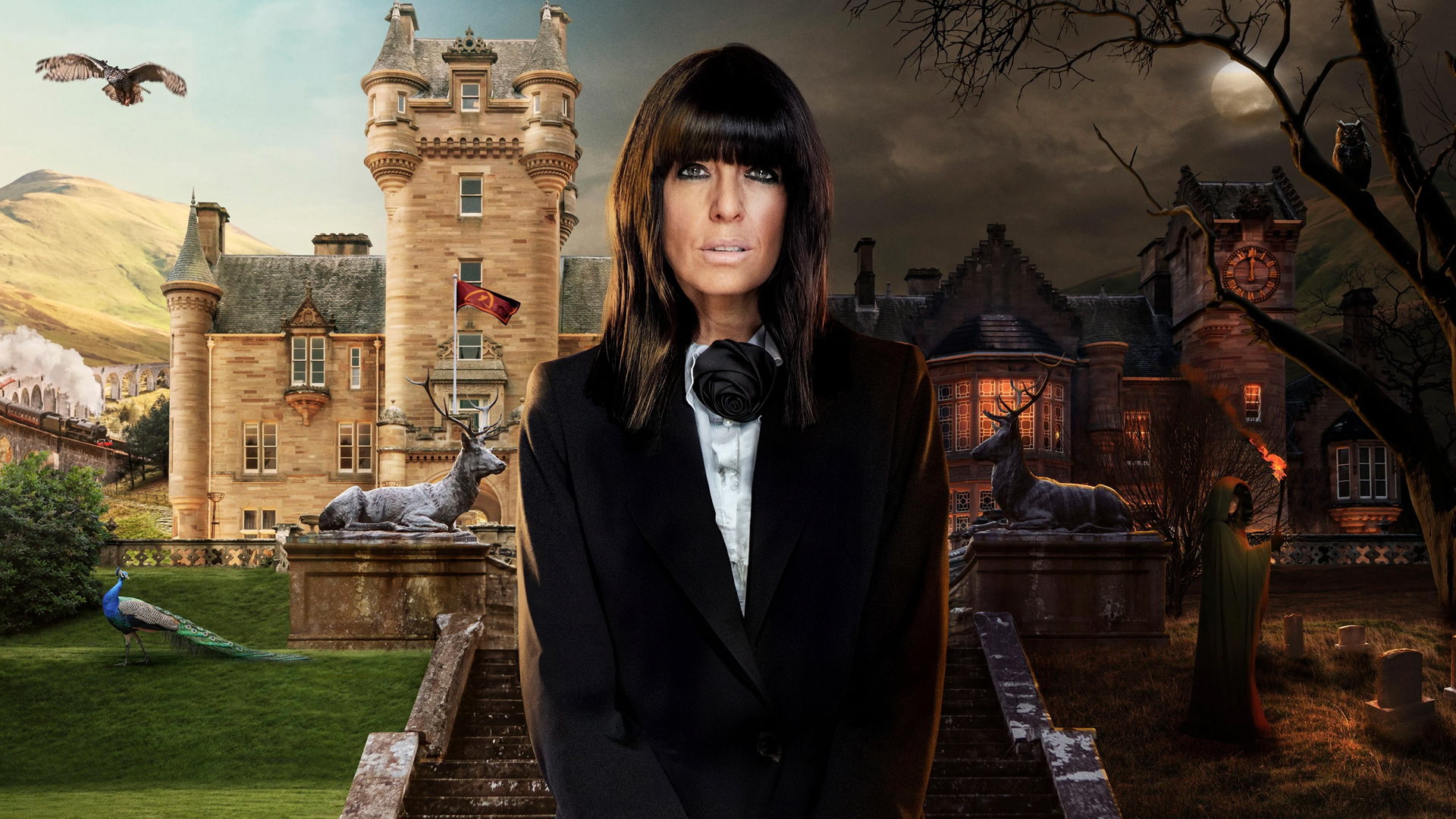
The Traitors hit our screens in 2022 with a simple yet compelling format: a group of strangers move into a grandiose castle to complete a series of challenges and win up to £120,000 – with the catch that a number of traitors hide amongst them, hoping to sabotage their efforts.
Since it first aired, the show has exploded in popularity. It’s now one of the biggest shows on British TV and a unicorn for the BBC, drawing huge viewing numbers despite the rise of streaming. It’s also been picked up across various markets, including the US and New Zealand.
What makes this show so engaging is that it ostensibly tests our capacity for judgement – all players are ignorant to the traitors’ true identity and thus weeding them out becomes a task unclouded by preconceived notions or long-held beliefs. Or so we’d like to think.
As it turns out, no amount of smoke and mirrors can deflect from society’s unconscious bias. Across every iteration of The Traitors, the earliest ‘faithful’ contestants to be banished by their #comrades are disproportionately Black.
In the UK’s current civilian series, Judy – a Black woman – was the victim of the first banishment. Another Black woman, Nettie, was the first murdered.
The same pattern emerged in the celebrity version, which aired last October. Niko Omilana was voted out in episode one, and by episode three Tameka Empson had been shown the castle door.
It’s easy to dismiss this theme as a coincidence, but as Micha Frazer-Carroll argues, it highlights the ways race frames our society – and the everyday experiences of minority ethnic groups.
‘It’s often people of colour or otherwise marginalised people who are told there’s something the other players just don’t quite trust about them,’ writes Frazer-Carroll.
‘A disproportionate 40 per cent of those who were kicked out of the game within the first three murders/banishments were minority ethnic players.’