






 0 comments
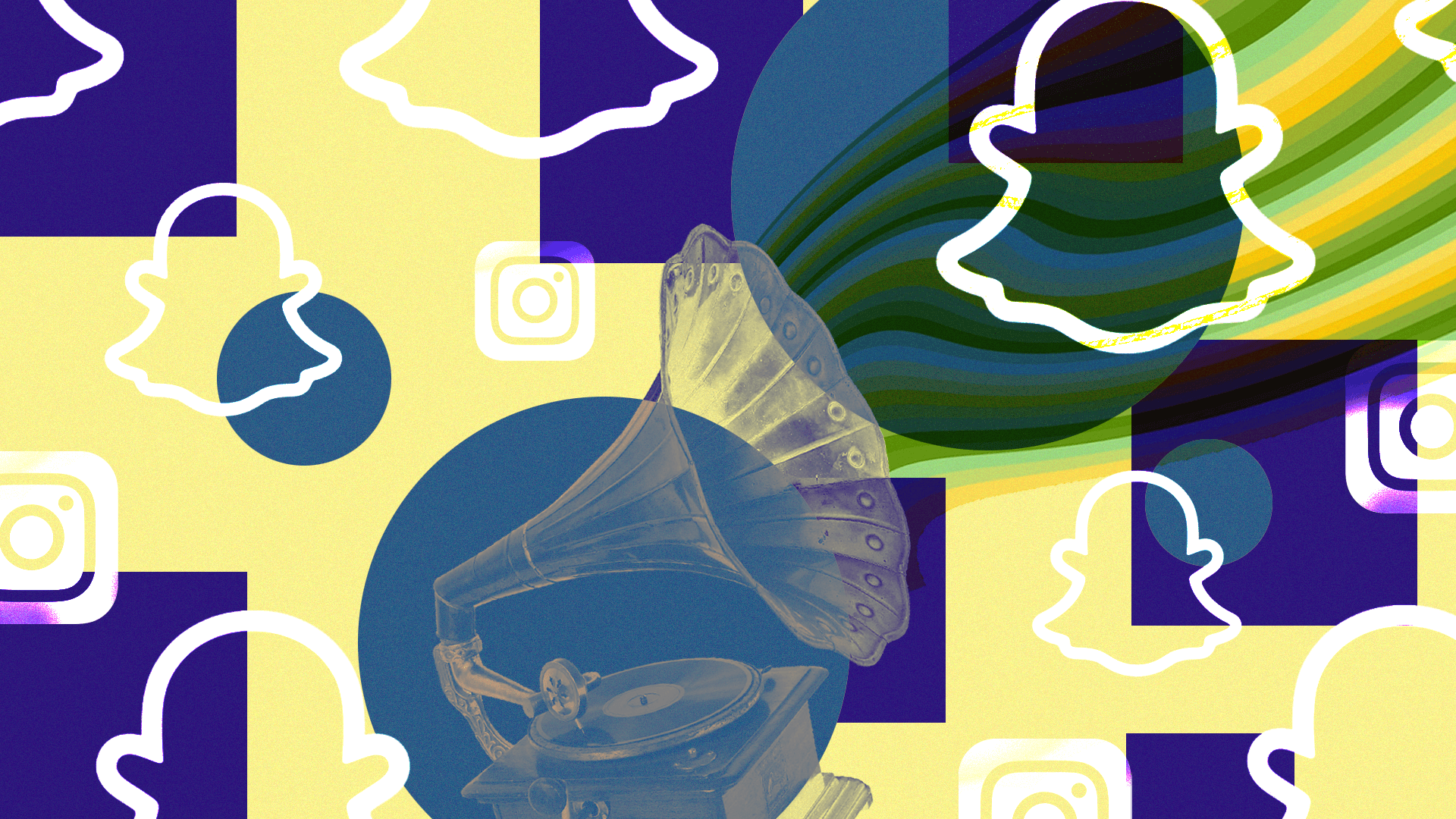
2016 was the year of Pokemon Go, The Chainsmokers, Snapchat dog filters and skinny jeans. Gen Z are currently on a nostalgia binge, with searches for ‘2016’ having increased 71% in the last year over 2024. What’s going on?
We’re not even two weeks into the year, and everything already feels exhausting.
Trump is currently threatening to take over Greenland, Iran is in turmoil and Elon Musk’s X platform is under investigation by Ofcom for indecent AI image generation; everything seems divisive and consequential and the year has barely begun.
@calithekid1 Peak life YouTube @calithekid
For Gen Z, this constant cycle of unhinged, unpredictable political chaos is all they’ve ever really known, especially as adults. Trump has been in the conversation for well over a decade, and the pessimism of our era seems to be a mainstay of modern discourse.
Perhaps this explains, at least in part, why Gen Z are currently so nostalgic for 2016.
According to TikTok and the BBC, Gen Z searches for ‘2016’ grew by 452% in early January, with more than 55 million videos being posted that use a filter of the same name. Tons of creators are sharing nostalgic montage clips that romanticise popular culture moments of the time; think Snapchat filters, EDM pop music and red-tinted B-roll of palm trees and sunny beaches.
If you’re slightly older, like this ageing writer, all this fascination with 2016 might seem a bit odd. I was twenty at the time, and I distinctly remember the general consensus being that things were rough.
@1.pj0 Must experienced this 😭 #nostalgia#throwback#flashbacks#2016#highschool#flashbacks#childhood#memories#foryoupage#fyp
Celebrities were dying on the regular, Harambe was murdered, and it was the first of the real right-wing resurgence amidst Trump and Brexit. There was a growing feeling of unease at the unexpected direction of everything, a hangup that remains to this day, especially in our post-pandemic, polarised climate.
Many younger Gen Zers would have been in school, however, and coming of age in a less algorithmic, AI-centric world. They had Instagram and Snapchat, sure, but young people were still using Facebook willingly and the tech moguls had yet to truly obliterate our attention spans with short-form video and constant dopamine hits.
As The Guardian points out, the fact that teenagers and twentysomethings are already yearning for a ‘simpler’ time is deeply depressing, and suggests that our modern era is failing to spark any optimism or hope for the future.
In fact, research by GWI shows that Gen Z are the most likely to be nostalgic for the 2010s compared to any other generation, with 42% saying they yearned for that time period. This attitude partly explains why the 2016 trend is so prominent on TikTok at the moment, and why so much of the negativity from the era has been conveniently forgotten.
@musiccaholicc
‘2026 is the new 2016,’ is a popular phrase doing the rounds this week. It’s partly childhood nostalgia, partly the negative, politically-charged world we’ve gotten caught up in. The days of stability and normalcy feel far behind us.
Could an attempt to bring back the vibes of last decade be a solution to Gen Z’s woes? Honestly, probably not.