






 0 comments
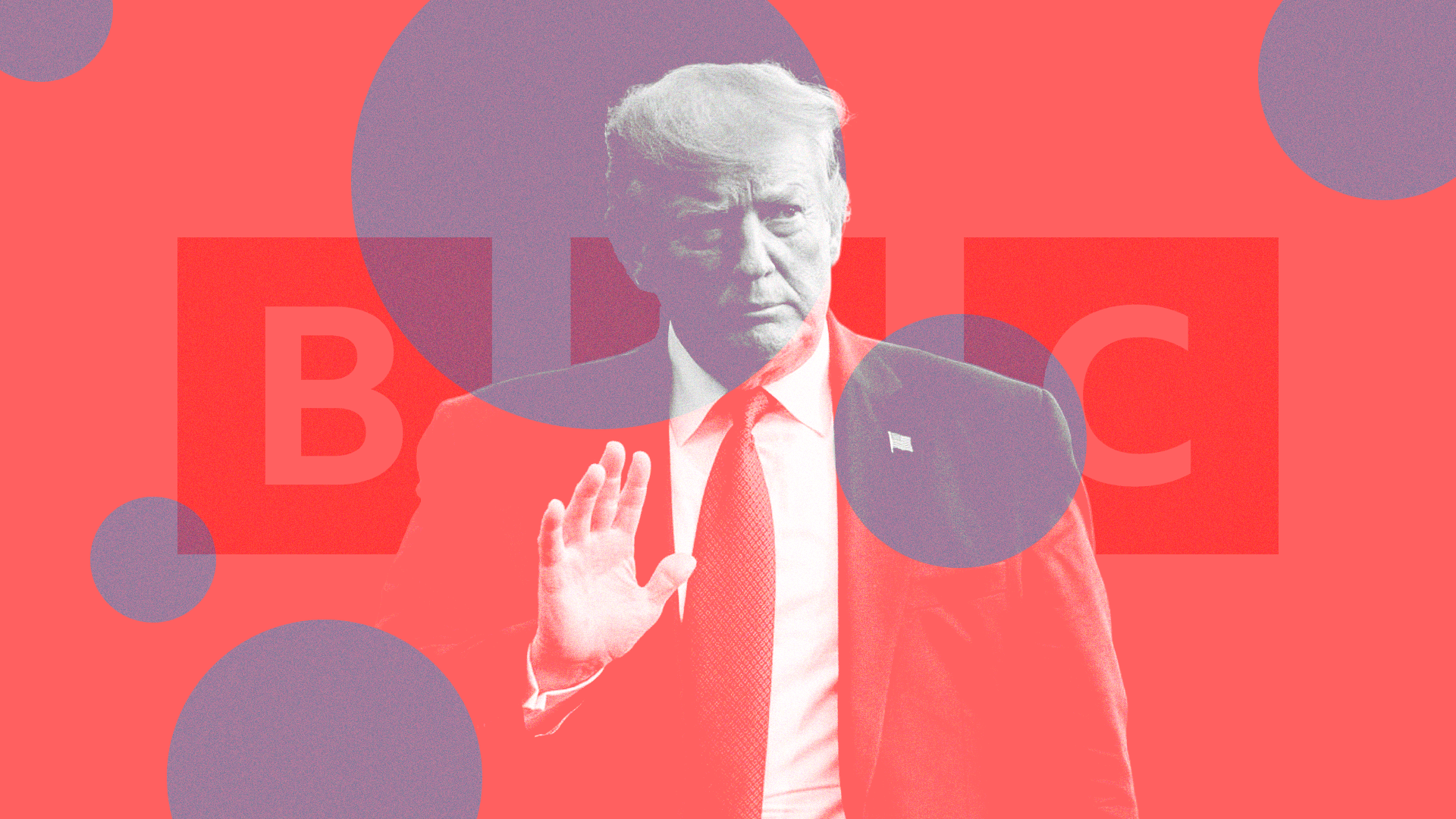
The BBC is facing a barrage of criticism from right-wing opposition after broadcasting an edited clip of Trump’s 2021 January Capitol Riots speech. The US president is threatening to sue for $1 billion USD.
The BBC is currently engrossed in controversy after broadcasting an edited speech by current US president Donald Trump.
As part of its investigative journalism programme Panorama, the BBC spliced together two separate clips from Trump’s Capitol Riots speech and included them as part of its pre-election coverage in 2024. Two sentences that were uttered 54 minutes apart were stitched into a single clip that appeared to show Trump directly encouraging his followers to mobilise.
After addressing the crowds in January 2021, thousands of his supporters stormed Washington to try and stop the electoral count and halt a Joe Biden victory, leading to five deaths and a second Trump impeachment. It was an explosive and divisive moment, indicative of the deep, rampant mistrust in democratic systems across the US.
Whether or not Trump directly incited the Capitol Riots has been debated extensively. He has since referred to January 6 as a ‘day of love,’ pardoned all those who were involved, and never accepted his loss in the 2020 elections. However, the US president’s team argues that he never specifically instructed his supporters to commit acts of violence or to physically halt the democratic process.
Keir Starmer Rejects Donald Trump's Claim The BBC Is 'Corrupt' Amid Bias Row
byu/F0urLeafCl0ver inunitedkingdom
The BBC’s edit of Trump’s speech is misleading. It suggests that Trump explicitly called on the crowd to ‘fight like hell’ and does not accurately reflect the events of the day. Given that the BBC is funded by the taxpayer and is held to the highest impartial standards, the revelation that it has intentionally manipulated footage is hugely detrimental and has shattered public confidence.
Top leaders at the BBC have resigned as a result of the scandal. Director general Tim Davie and head of news Deborah Turness stepped down last week, parting ways with the organisation while also telling staff to ‘fight for our journalism.’ The future of the broadcaster is in jeopardy, as right-leaning outlets and political leaders pile on the pressure.
The argument against the BBC as a public broadcaster
Negative sentiments toward the BBC have been growing for decades.
As we explored last week, the organisation is already facing a crisis with Gen Z viewers who don’t regard it as a necessity and largely find their entertainment elsewhere. Tax payers in the UK begrudgingly pay a £170 annual license fee if they own a television, a legal obligation that has, at least thus far, withstood years of steadily mounting criticism.
The BBC has also historically been accused of left-wing bias, dating all the way back to the Margaret Thatcher era in the 1980s. A 2007 independent report by John Bridcut called ‘From Seesaw To Wagon Wheel’ noted that the BBC is sometimes perceived as having a London-centric worldview and warned that it needed a ‘periodic reality check.’
More recently, the broadcaster has been scrutinised for supposedly shoehorning left-wing ideas on diversity, race, and gender into its content. In 2023, Campaign for Common Sense, a pseudo-research group that was part of the previous UK government’s ‘anti-woke’ initiative, accused the BBC of peddling a ‘diet of woke bias.’
Now, Trump’s team is jumping at the opportunity to take on what it views as a left-leaning producer of ‘fake news’ and political manipulation. The US president’s lawyers issued a formal letter threatening legal action and a $1 billion USD lawsuit unless the organisation immediately retracts its Panorama coverage and apologises by Friday, 14 November.
In the UK, right-wing party Reform has pulled out of a BBC documentary that was being made on its rise in popularity, stating that ‘trust has been lost’ as a primary motivator. Its leader, Nigel Farage, has described the BBC as being ‘infected with left-wing bias’ in a recent video published on Elon Musk’s X platform.
A former Plaid Cymru Chief Executive is now being paid £190k a year as the BBC’s Nations Director.
This is living proof that the BBC is infected with left-wing bias right to the top. pic.twitter.com/E73CzVzjkV
— Nigel Farage MP (@Nigel_Farage) November 10, 2025
It’s clear that the right are eager to make their voices heard.
The BBC has always been a largely untouchable force protected by public funding, out of reach from external influences and – usually – rigorously checked for factual accuracy and objectivity. This embarrassing blunder is evidence to suggest that biases do indeed exist within the broadcaster’s ranks, and serves as ideal fuel for campaigners who’ve long wanted to see it dismantled and commercialised.
By not acknowledging and remedying its mistake quick enough, the BBC has inadvertently martyred Trump, validating his repeated claims of ‘fake news’ and given politically-charged broadcasters like GB News the momentum they need to erode trust in an institution that is far more regulated. The decision to edit Trump’s speech by the BBC is indefensible and inexcusable.
How are supporters defending the BBC?
While nobody is outright defending the BBC’s editing mishaps, there are plenty of advocates that warn of the potential dangers that may emerge if the broadcaster is fully torn down and its resources redistributed.
Labour has backed the BBC and stressed its importance as a major source of factual information, particularly in an era that is increasingly being overtaken by social media news and unregulated reporting. In the House of Commons, Culture Secretary Lisa Nandy said that the BBC is ‘an absolutely essential [institution]’ for the UK, and that it stands apart ‘at a time when the lines are being dangerously blurred between facts and opinions.’
There is also an argument to be made that this is an isolated incident rather than an indication of a widespread bias that exists across the entire institution. The BBC has apologised for and acknowledged the mistake, describing it as an ‘error of judgement.’
In a statement, BBC chair Samir Shah said that the broadcaster ‘must champion impartiality,’ and added that it held ‘the highest standard in all our content – video, audio and online.’
Given the thousands of hours of coverage the BBC gives on all sorts of issues, it’s almost inevitable that something like this could eventually happen. It doesn’t necessarily mean that the entire organisation is worth throwing away, and some experts have commented that the political right’s reaction has been disproportionately overblown.
Speaking to Sky News, deputy leader of the Liberal Democrats Daisy Cooper says the timing of the controversy is ‘dodgy,’ and argues that critics do not have ‘British interests at heart.’ She accuses the right of weaponising a single mistake in order to further push a BBC replacement that would be less regulated, more commercialised, and closer in line with Fox News.
BBC ‘100% fake news’, says Donald Trump’s press secretary
byu/IPlayFifaOnSemiPro inunitedkingdom