






 0 comments
Thanks to TikTok trends, a bleak dating culture, and a rising sense of patriarchal dread, we’re pining for platonic love.
The term ‘lavender marriage’ originates from the ‘lavender scare’ of the mid-20th century, a period of moral panic fuelled by Sen. Joseph McCarthy and President Eisenhower that saw a widespread purge of the federal workforce.
Thousands of individuals lost their jobs, livelihoods and even their lives – dismissed under suspicion of homosexuality. ‘It was really frightening,’ Regina Hillman, a professor at the University of Memphis School of Law, told the Washington Post. But there were some who found a way to exist during this time without fear of losing their job.
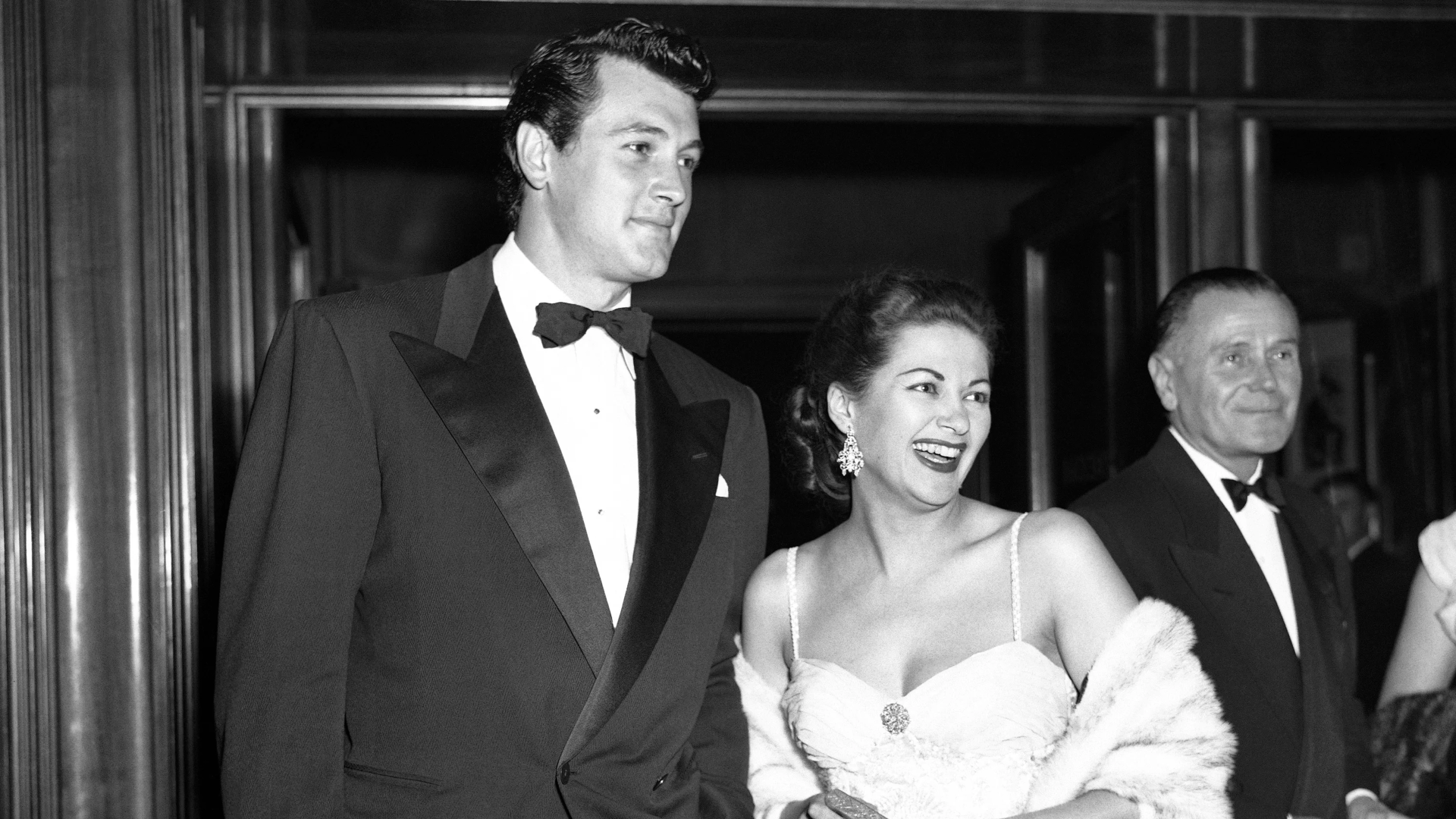
A popular solution? Enter into a lavender marriage: an ostensibly heterosexual partnership that would conceal your homosexual identity. This concept is not new. The term ‘beard’ was coined around the same time as McCarthy’s lavender scare, referring to a person who – knowingly or unknowingly – enters into a relationship with a queer person so that the individual can hide their sexual identity.
There have been plenty of famous beards throughout popular history, and many have allowed queer people to survive in a world built against them. But nowadays, this strategy for concealing one’s sexual preferences seems relatively archaic – at least in Western culture.
Why, then, is the phrase ‘lavender marriage’ making the rounds on social media? You might have seen it yourself, either in long-reads from The New York Times and Washington Post, or on your TikTok FYP. As it turns out, a lot of us are pining for this relic of an older, more repressed age.
In the face of a bleak dating culture and the overbearing sense of patriarchal dread, platonic love sounds more and more appealing. And while lavender marriages were once a necessity for those wanting to maintain their societal status without fear of expulsion or violence, nowadays they represent an escape from heteronormative ideals of intimacy.
This comes at a time when many of us are also experimenting with love. Polyamory is also on the rise, and young people are positioning themselves against patriarchal norms.
Speaking to dating app FEELD, Rafaella Smith-Fiallo – founder of Healing Exchange LLP – describes lavender marriages as a ‘survival strategy’ for queer folk of the past. ‘[They] often paired up to ‘pass’ as straight in a deeply unsafe, unjust world. It was all about staying hidden and accessing resources.’
Today, however, Smith-Fiallo says Lavender marriages are taking on new meaning. ‘We’re seeing a shift in the intentionality in choosing this partnership structure. It isn’t completely about safety and ‘passing’ for some; in fact, some people are vocal about seeking a lavender marriage and are open about their relationship dynamic.’