






 0 comments
High-end brands are failing to resonate with younger customers. What does this mean for the future of fashion?
For luxury fashion brands, Gen Z are a confusing bunch. They have money to spend (with many of their cohort approaching the latter end of their twenties, and a healthy bunch splurging on frivolities like bespoke tinned fish and £25 smoothies), exposure to brand mythologies, and a desire to express themselves through their clothes.
Yet Gen Z are voting with their wallets in ways that undermine decades of prestige marketing. The industry’s most prestigious brands are now facing the seemingly difficult task of understanding their younger customer – a group who values economic and ecological integrity over everything else.
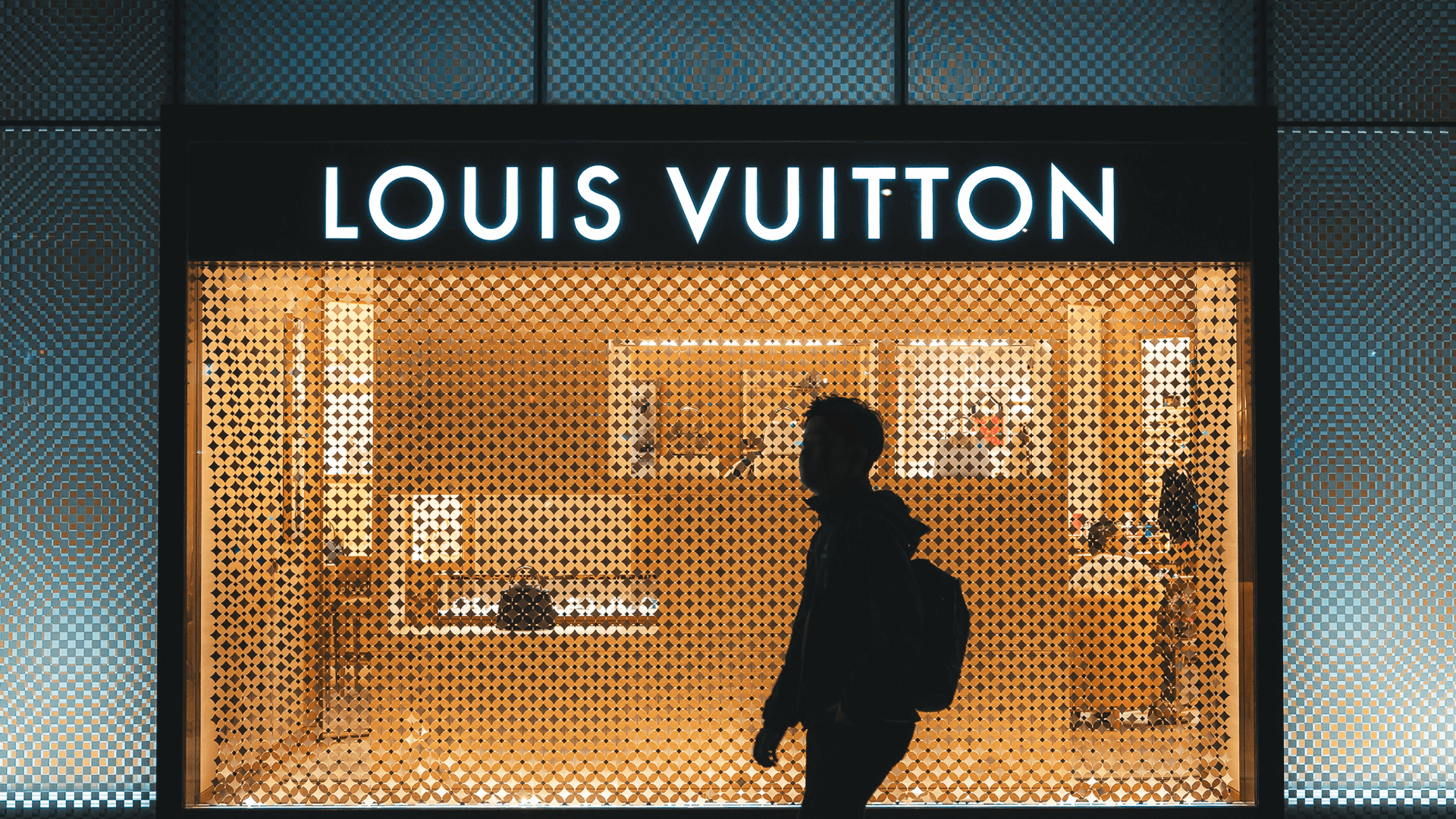
To the average eye, it’s easy to see why Gen Z are rejecting high-end fashion. The average price of a designer bag, for example, has soared in recent years. Louis Vuitton’s Neverfull is up 4.8% since the start of the year, now clocking in at an eye-watering $2,200.
While loyal customers are still willing to part with their cash for the sake of a well-known brand, this once powerful cultural currency isn’t resonating with younger consumers. It seems Gen Z are struggling to justify such hefty price tags given stagnant wages and a cost of living crisis.
As Reuters reports, luxury sales to Gen Z are slowing while smaller accessories and lower-priced items are faring better. Gen Z is projected to account for a quarter of global luxury spending by 2030, so brands ought to act fast if they’re going to woo them.
Environmental concerns and a demand for authenticity are just as decisive. This generation grew up under the shadow of the climate crisis and a backlash against fast fashion. Buying second-hand or vintage feels both affordable and ethical.
Resale platforms have also emerged to give young people something luxury often doesn’t: a sense of uniqueness and community as well as moral purpose.
Quality is also under scrutiny. Many young consumers no longer assume that a luxury price tag guarantees superior craftsmanship.
‘Gen Z are so savvy,’ says Lei Takanashi, correspondent at The Business of Fashion. ‘They look up what a Louis Vuitton bag is made of – it is canvas, not leather – and ask, should I really spend a thousand dollars on this? Is there an alternative.’
Heritage brands have long leaned on symbolism over substance, but this cohort wants to see what lies behind the logo.