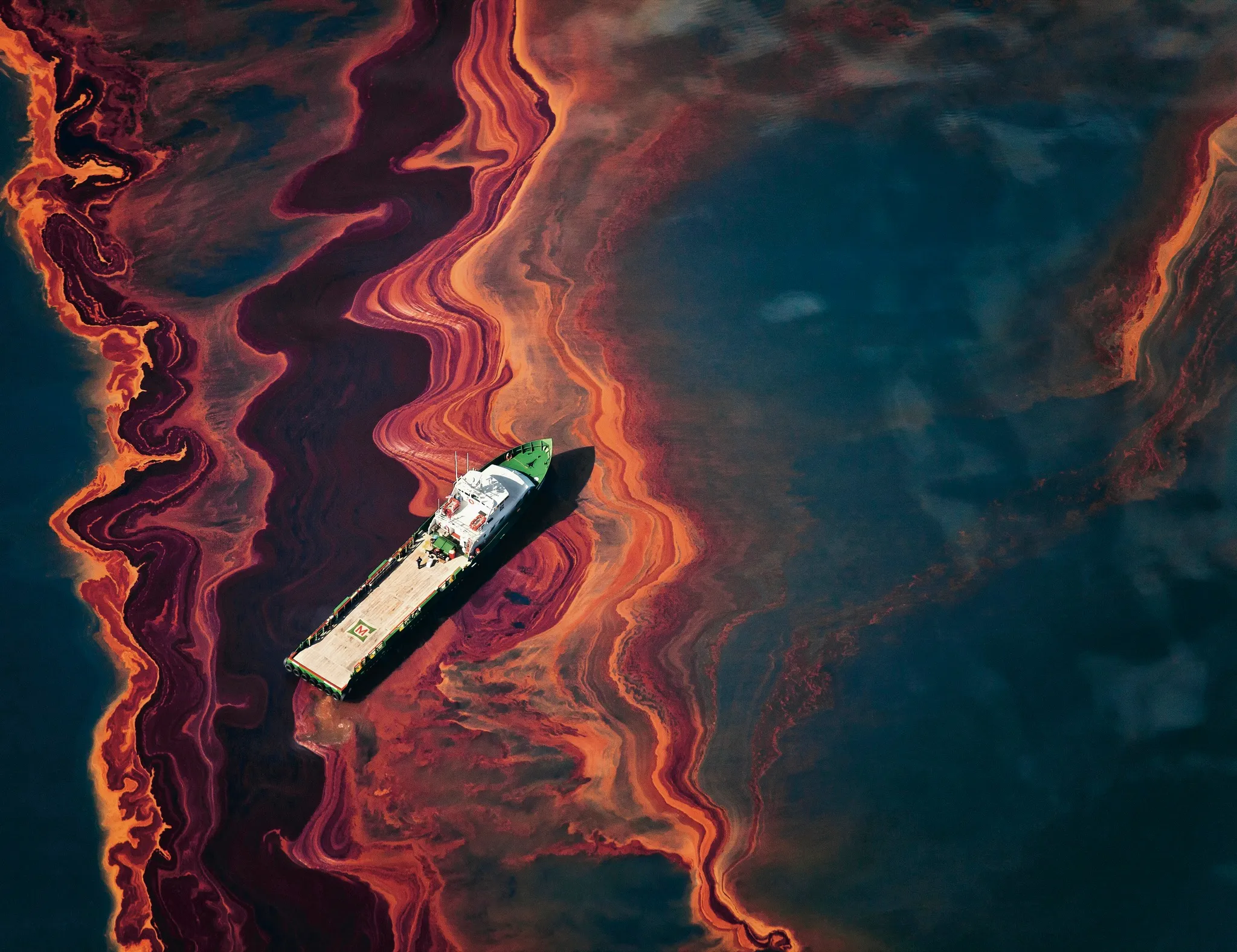
The European Union has become the first international body to criminalise acts comparable to ecocide. Ecocide is a case of severe environmental destruction which leads to habitat loss and, ultimately, crimes against humanity.
For far too long, major companies have engaged in practices that are destroying our planet with little to no consequences. Those days may soon be coming to an end.
In a landmark ruling, the European Union has criminalized serious cases of environmental damage which can be compared to ‘ecocide’. As humans depend on nature for survival, the law recognizes these acts as crimes against humanity and even genocide.
Actions are considered ecocide when they are both unlawful and committed with an understanding that they will likely cause severe, widespread, or long-term damage to the natural environment.
This includes but is not limited to illegal logging, hunting critically endangered species, ozone destruction, and pollution. EU member states will have two years to integrate the ‘revolutionary’ ruling into their national legal systems, with Belgium becoming the first to do so.
The new ruling has been labeled as ‘one of the most ambitious legislation in the world’ making history by protecting the natural world and human health.
The law was first proposed by 12 lawyers in 2021 and presented by Stop Ecocide International. However, it was not until last year that the European Parliament began discussing how to write ecocide into EU law.
The new ruling lists a number of actions as ‘comparable to ecocide’, stating that pollution, water abstraction, and ship recycling all fall under this category. Introducing invasive or alien species and destroying the ozone layer are also included in the directive.
While these are great places to start, those advocating for the law’s implementation have not held back on pointing out its shortcomings. For now, it still does not address overfishing, exporting toxic waste to developing countries, or carbon market fraud.
Ruth-Marie Henckes, Biodiversity Campaigner at Greenpeace toldThe Brussels Times:
‘We would have liked to have seen a broader application of the law to deter all types of serious nature destruction (such as also large-scale water pollution or illegal deforestation), but this law already gives us the means in some cases to make those responsible pay for the consequences of their crimes, for example in the case of a shipwreck of an oil tanker in the North Sea.’
So, it’s a start, especially because the law holds employees of major corporations as culpable when their business ventures result in environmental destruction – something that has been difficult to do with previous frameworks.
How will individuals be held accountable?
Though individuals have typically hidden themselves behind corporations, the new European law will find employees capable of preventing ecocide accountable for their lack of action.
Important decision-makers, including CEOs and board members found guilty of committing environmental crimes, can receive a fine of €1.6 million and prison sentences of up to 8 years. This sentence could rise to 10 years if the crime results in the death of any person.
Previous national and EU laws were only able to punish environmental crimes when they were illegal. As long as a corporation had followed its permit conditions, it could not be held accountable for any destruction that took place.
For example, the global chemical industry has historically been granted permission to empty wastewater into local waterways. This pollutive practice exposes those reliant on local water to substances which we now know are toxic to the environment and harmful to human health.
The new ecocide law would force companies operating in the EU to discard these permits and stop dumping their toxic chemical waste into our waterways – and face the consequences if they do not.
In a further conversation with the Brussels Times, Ruth-Marie Henckes said, ‘a crime against nature is by definition a crime against all of us. The recognition of ecocide in criminal law is a milestone in the recognition of nature’s rights.’
The next stage is to get the International Criminal Court to recognise ecocide as unlawful so that the policy can be applied to all countries around the world. We’ll be staying tuned for what comes next.
Deputy Editor & Content Partnership ManagerLondon, UK
I’m Jessica (She/Her). I’m the Deputy Editor & Content Partnership Manager at Thred. Originally from the island of Bermuda, I specialise in writing about ocean health and marine conservation, but you can also find me delving into pop culture, health and wellness, plus sustainability in the beauty and fashion industries. Follow me on Twitter, LinkedIn and drop me some ideas/feedback via email.
Experts suggest the disappearance of London’s iconic red buses will hit the poorest the hardest.
Like most major cities, London is built on a sprawling public transport system. Boasting the tube, black cabs and an iconic route of red bus services, England’s capital is one of the most famous and efficient transport hubs in the world. But experts warn it’s at risk of rapid decline.
Outside of zone 1, red buses...
Alleged victims will be granted new measures including private entrances and waiting rooms, along with specialist ‘trauma-enforced training’ for court staff.
Andy Burnham has announced the rollout of new specialist rape courts in England and Wales, building on measures that are currently only available in limited locations.
At least one courtroom in every Crown Court will be dedicated to handling rape and cases involving serious sexual offences over the next...
From cutting student loans to stopping small boats, Reform UK used its 2026 conference to tell Britain what its first 100 days in government could look like. But behind the pledges, protests and political drama, what did the conference actually mean for Gen Z?
If there was one message Reform UK wanted people to leave Birmingham with, it was this: we are preparing for government.
Its 2026 annual conference at Birmingham’s...
The value of personal attractiveness is established much younger than you might think. But what does this mean for girls growing up in an image-obsessed era?
We check our appearance around 38 times per day. That pastime was once reserved for mirrors, and now extends to every reflective surface in our vicinity. Phone screens are the obvious preference – whether via their front-facing cameras or shiny black lock screens.
Social media...
We use cookies to ensure that we give you the best experience on our website. If you continue to use this site we will assume that you are happy with it.






























 0 comments